2027 Chevy Astro Van Guide: Specs, Rumors & Release – The 2027 Chevy Astro Van has become one of the most talked-about vehicles online, with fans across the USA hoping Chevrolet will revive its iconic minivan. Originally produced from 1985 to 2005, the Astro earned a loyal following for its durable RWD/AWD layout, strong towing ability, spacious cargo area, and no-nonsense American design.
Today, digital concepts and YouTube renders fuel speculation about a modern comeback. This comprehensive guide covers everything you need to know — from official status and history to expected specs, comparisons with today’s top minivans, and realistic alternatives available right now at U.S. Chevrolet dealerships.
The Legacy of the Chevrolet Astro Van
The Chevrolet Astro (and its GMC Safari twin) was a rear-wheel-drive minivan built on a truck-like platform. It offered passenger and cargo configurations, seating for up to 8, and towing capacity up to 5,500 pounds in some setups — features that made it popular with families, contractors, and van-life enthusiasts.
Production ended after the 2005 model year as the market shifted toward crossovers and unibody minivans with better fuel economy and safety ratings. Despite its cult status, Chevrolet has not produced an Astro since.
Is the 2027 Chevy Astro Van Real? Official Status Update
As of mid-2026, there is no official 2027 Chevrolet Astro Van in development or planned for production. Reliable automotive sources confirm that persistent online rumors and AI-generated images are not based on any Chevrolet or General Motors announcement.
Chevrolet’s current focus remains on trucks, SUVs (including the popular Traverse), and electric vehicles. The minivan segment in the U.S. has shrunk dramatically, dominated by the Chrysler Pacifica, Toyota Sienna, Honda Odyssey, and Kia Carnival. No official statements from Chevrolet’s newsroom or GM leadership indicate a revival of the Astro nameplate.
Any “2027 Astro Van revealed” videos or social media posts you see are fan-made concepts or clickbait.
Popular Concept Designs for a 2027 Astro Revival
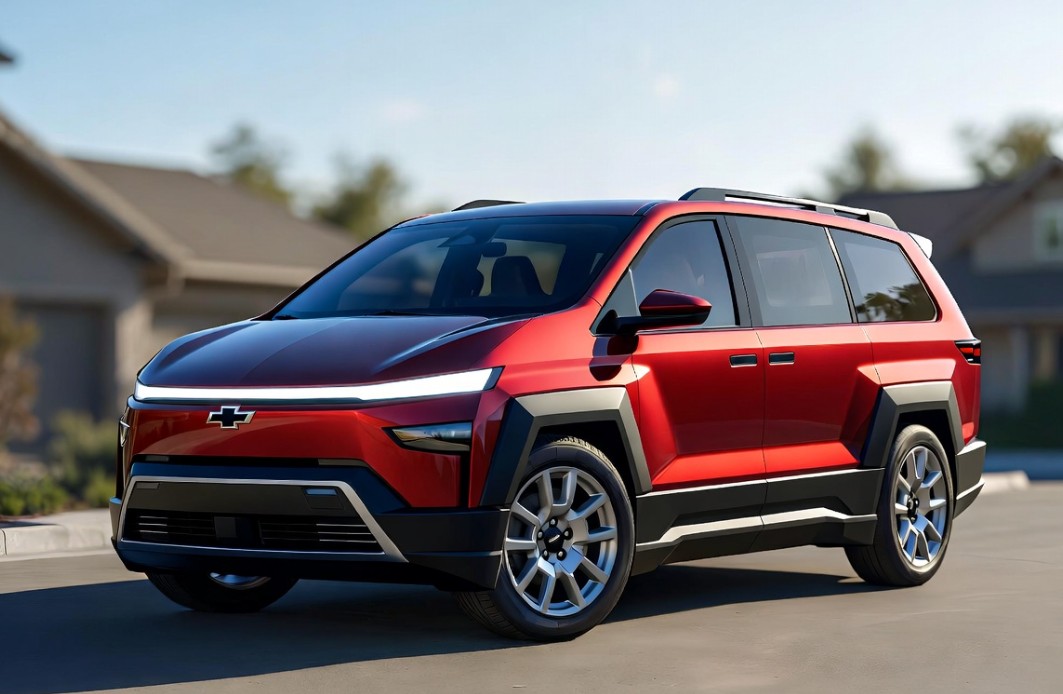
Enthusiasts and digital artists have created dozens of compelling renders imagining what a modern Astro could look like. One of the most detailed comes from virtual artist Dimas Ramadhan (Digimods DESIGN), who envisions a 2027 model with:
- Iconic boxy profile updated with aerodynamic touches
- Front-end styling inspired by current Chevrolet SUVs (Equinox, Traverse, Trailblazer)
- Slim LED headlights and a minimalist grille with the Chevy bowtie
- Muscular crossover stance with black lower cladding and fender flares
- Dual sliding rear doors
- AWD capability and SUV-style alloy wheels
Other concepts blend Silverado EV-inspired ruggedness with practical sliding doors. These designs position a revived Astro as a more adventurous alternative to traditional minivans — something many American buyers say they want.
Expected Specifications and Features (Speculative)
Because no official specs exist, the following are educated estimates based on current Chevrolet platforms, competitor vehicles, and fan concepts:
- Powertrain options: 2.5L turbocharged inline-4 or hybrid powertrain (similar to other GM vehicles); possible all-electric Ultium-based version with 300+ mile range
- Drivetrain: Likely available in FWD and AWD configurations
- Towing capacity: 4,500–5,500 lbs (competitive with original Astro)
- Seating & cargo: 7- or 8-passenger configurations with flexible second- and third-row seating; generous cargo space behind the third row
- Safety: Expected to include GM’s latest suite — automatic emergency braking, lane keep assist, blind-zone steering assist, and Super Cruise hands-free driving on higher trims
- Technology: Large touchscreen infotainment, wireless Apple CarPlay/Android Auto, available panoramic sunroof, and premium audio
- Dimensions: Slightly larger than the original Astro to meet modern safety and comfort standards while retaining its practical boxy shape
A real production version would need to meet strict 2027 NHTSA and IIHS safety standards and deliver competitive fuel economy or electric range.
Pricing and Availability Expectations
If Chevrolet were to launch a 2027 Astro Van, pricing would likely start around $38,000–$42,000 for a well-equipped base model and climb to $48,000–$55,000 for loaded AWD or hybrid trims (in 2026 dollars). This would place it competitively against the Chrysler Pacifica and Kia Carnival while offering distinctive American styling and AWD availability that some rivals lack in certain configurations.
Availability would begin at Chevrolet dealerships nationwide, with possible fleet and commercial variants.
How the 2027 Astro Would Compare to Current Minivans?
| Vehicle | Starting Price (approx.) | Powertrain Options | Key Strengths | Astro Concept Advantage |
|---|---|---|---|---|
| Chrysler Pacifica | $40,000+ | Gas + Plug-in Hybrid | Stow ’n Go seats, luxury options | More rugged stance & AWD focus |
| Toyota Sienna | $38,000+ | Hybrid AWD standard | Excellent reliability & efficiency | Boxier cargo shape |
| Honda Odyssey | $42,000+ | Gas only | Smooth ride, magic seats | More modern aggressive styling |
| Kia Carnival | $37,000+ | Gas only | Best value, upscale interior | Distinctive Chevy character |
A revived Astro could stand out with its truck-inspired durability, available AWD, and nostalgic yet updated design — appealing to buyers who find current minivans too soft or car-like.
Pros and Cons of a Potential Astro Revival
Pros:
- Strong brand loyalty and nostalgia among American buyers
- Practical boxy shape with excellent cargo versatility
- Potential for strong towing and AWD capability
- Opportunity to bring an American name back into the minivan segment
Cons:
- Shrinking U.S. minivan market
- High development costs for a low-volume vehicle
- Safety and emissions regulations are stricter than in 2005
- GM already offers strong 3-row options like the Traverse, Tahoe, and Suburban
Best Alternatives Available Right Now (2026–2027)
If you need a versatile family or cargo hauler today, consider these strong options at your local Chevrolet dealer or competitors:
- Chevrolet Traverse — Spacious 3-row SUV with available AWD and strong V6 power
- Chevrolet Express — Full-size cargo or passenger van for serious hauling needs
- Chrysler Pacifica Hybrid — Best plug-in minivan with up to 32 miles electric range
- Toyota Sienna — Most efficient hybrid minivan with standard AWD
- Kia Carnival — Excellent value with upscale features and warranty
Used original Astros are still available but come with age-related safety and maintenance concerns.
Frequently Asked Questions
When will the 2027 Chevy Astro Van be released?
There is no confirmed release date because Chevrolet has not announced the model.
Will the new Astro be electric?
It is possible, given GM’s EV push, but nothing is confirmed.
How much will it cost?
Speculative pricing ranges from the high $30,000s to mid-$50,000s if it reaches production.
Can I still buy a new Astro today?
No. The last model year was 2005. Only used examples are available.
Is the Astro better than a Traverse or Tahoe?
It would offer different strengths — more minivan-like sliding doors and lower load floor versus the higher ground clearance and truck-based capability of Chevy’s current SUVs.
Final Thoughts: Should You Wait for the 2027 Chevy Astro Van?
The 2027 Chevy Astro Van exists right now only as exciting concept art and hopeful fan discussions. While a modern revival would be welcomed by many American families and small businesses, current evidence shows it is not in Chevrolet’s immediate plans.
For the latest official updates, check Chevrolet’s newsroom or speak with your local dealer. In the meantime, the current crop of minivans and 3-row SUVs from Chevrolet and its competitors offer excellent choices for U.S. buyers today.
Would you buy a new Astro if Chevrolet brought it back? Let us know in the comments — the conversation continues among enthusiasts nationwide.