2027 Chevy Astro Van Off-Road Guide: Concepts & Mods – The original Chevrolet Astro Van (and its GMC Safari twin) was a beloved body-on-frame compact van produced from 1985 to 2005. It earned a cult following among American families, contractors, and van-life enthusiasts for its cargo space, towing ability, and available all-wheel drive.
Fast-forward to today: There is no official 2027 Chevy Astro Van confirmed by General Motors or Chevrolet. Multiple trusted automotive sources confirm that persistent online rumors and AI-generated images are not based on any factory plans. Chevrolet has focused instead on full-size Express vans, crossovers, and trucks.
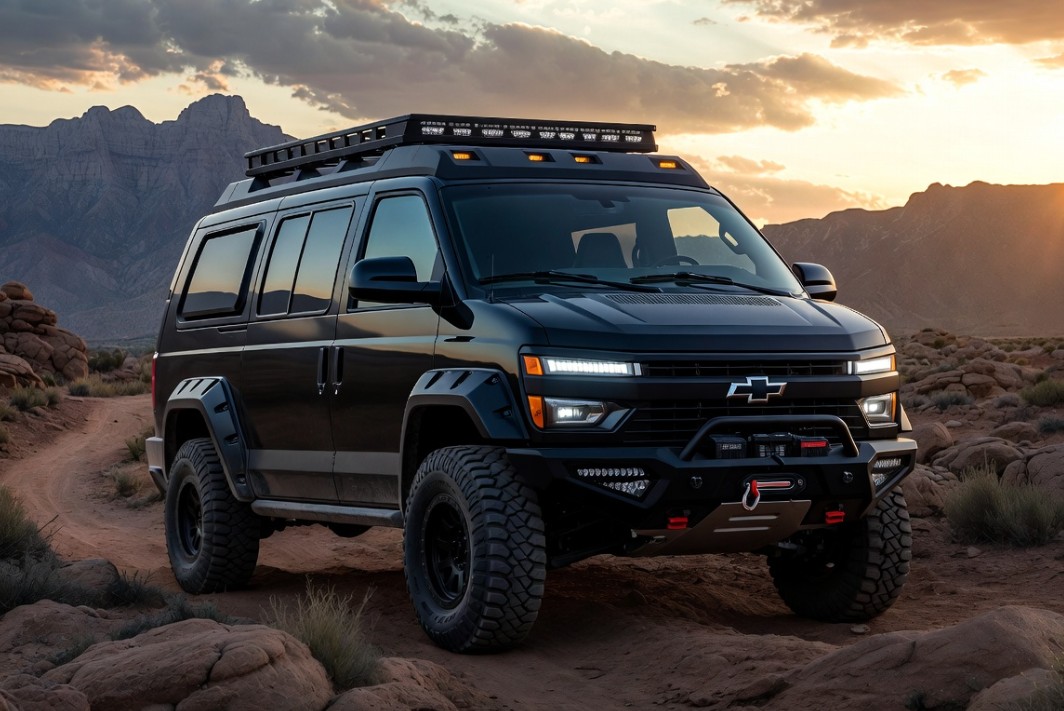
That said, stunning fan-made CGI concepts—especially from digital artists like Digimods DESIGN—have gone viral, showing a modernized Astro with aggressive styling and clear off-road potential. These renders have sparked huge interest among U.S. enthusiasts searching for a capable, boxy adventure van.
Conceptual Design and Off-Road Styling
Popular 2027 Astro concepts blend the van’s iconic boxy profile with today’s Chevrolet SUV design language. Expect:
- Slim LED headlights and a minimalist grille inspired by the Trailblazer, Equinox, and Traverse
- Muscular fender flares and black plastic cladding for a crossover look
- Higher ground clearance stance with SUV-style alloy wheels
- Dual sliding rear doors and a practical, upright greenhouse
For off-road versions, renders often add lifted suspension, knobby all-terrain tires, front winches, roof racks, and rugged bumpers—turning the Astro into a proper adventure van ready for U.S. trails.
Speculated Performance and Drivetrain
While official specs don’t exist, concept videos and renders point to:
- Modern turbocharged engines (possibly a 2.5L turbo making ~300+ hp)
- Available AWD or even 4×4 systems
- Strong towing capacity (original Astros could tow up to 5,500 lbs)
- Potential hybrid or future EV options for quiet trail use
The boxy shape and available powertrain components from GM’s truck family make these concepts believable as a rugged daily driver that can also handle light to moderate off-roading.
Key Off-Road Features Fans Want in a 2027 Astro
Enthusiast concepts commonly highlight these factory or easily added features:
- Factory or dealer lift kits (4–6 inches)
- All-terrain or mud-terrain tires (33-inch or larger)
- Skid plates protecting oil pan, transmission, and fuel tank
- Rock sliders and reinforced bumpers
- Locking rear differential or advanced traction control
- Roof rails and modular cargo system for overlanding gear
- LED off-road lighting and winch prep
These elements would position a revived Astro as a more affordable, American-built alternative to modified Sprinters or Transits.
Practical Off-Road Guide: Modifying Real Chevy Astro Vans Today
Since a factory 2027 off-road Astro isn’t here yet, thousands of used Astros (still plentiful and affordable in the U.S.) are being turned into capable adventure vans. Here’s a proven step-by-step approach popular in the American van community:
1. Suspension & Lift
- Install a 4–6″ lift kit (companies like Van Compass or custom shops offer Astro-specific kits)
- Upgrade shocks and add heavy-duty leaf springs or coil conversions
- Consider a 2″ body lift for extra tire clearance without major driveline changes
2. Tires & Wheels
- Run 31–35″ all-terrain tires (BFGoodrich KO2, Falken Wildpeak, or Toyo Open Country)
- Use 16″ or 17″ wheels with proper backspacing for the Astro’s narrow track
- Add a spare tire carrier (rear swing-out or roof mount)
3. Protection
- Full skid plate package (engine, transmission, transfer case if AWD)
- Rock sliders or nerf bars
- Differential guards and steering box protection
4. Drivetrain & Recovery
- Upgrade to a limited-slip or locking differential (if AWD model)
- Install a winch (Warn or Smittybilt) on a custom bumper
- Add recovery points, traction boards, and a high-lift jack
5. Interior for Overlanding
- Modular sleeping platform or camper conversion
- 12V power system with dual batteries and solar
- Roof-top tent or awning
- Water storage, fridge, and cooking setup
These mods are popular across the U.S., especially in states with abundant BLM land, national forests, and trails in the Southwest and Rockies.
Best U.S. Off-Road Destinations for an Astro Van
A properly built Astro excels on forest roads, desert tracks, and moderate trails:
- Moab, Utah – Fins & Things, Hell’s Revenge (stock or lightly modified)
- Colorado – San Juan Mountains and Ouray area forest roads
- Arizona – Mogollon Rim and Sedona backcountry
- Pacific Northwest – Olympic National Forest and dispersed camping routes
- California – Mojave Desert and Sierra Nevada forest roads
Always check current trail conditions, vehicle width/height restrictions, and seasonal closures.
Pricing and Market Outlook
Used Astro vans currently sell for $3,000–$12,000 depending on condition and mileage. A full off-road build typically costs $8,000–$20,000+ in parts and labor.
If Chevrolet ever brings back the Astro (even as a concept for 2027–2028), expect a starting price in the low-to-mid $30,000s for a well-equipped AWD model—positioned between mainstream minivans and premium adventure vans.
Final Thoughts
While the 2027 Chevy Astro Van remains a fan-favorite concept rather than an official model, the excitement is real. The combination of nostalgic boxy styling, modern capability, and genuine off-road potential has captured the imagination of American van enthusiasts.
Whether you’re following the latest renders or already building your own off-road Astro, the platform offers incredible versatility for U.S. adventures. Keep an eye on Chevrolet news and aftermarket developments—because if GM ever decides to revive this legend with factory off-road credentials, it could become one of the most exciting vans in years.
Start planning your build or following concept updates today. The trails are waiting.