2027 Chevy Blazer EV: Specs, Pricing & Overview – The 2027 Chevrolet Blazer continues Chevrolet’s strong presence in the midsize SUV segment, with the spotlight on the Blazer EV as the primary offering for the model year. The gas-powered Blazer sees a transitional phase with production shifting to Spring Hill, Tennessee, but the all-electric variant brings meaningful updates like native NACS charging.
This overview targets US buyers seeking style, performance, range, and modern tech in a practical family hauler.
Design and Exterior Updates for 2027
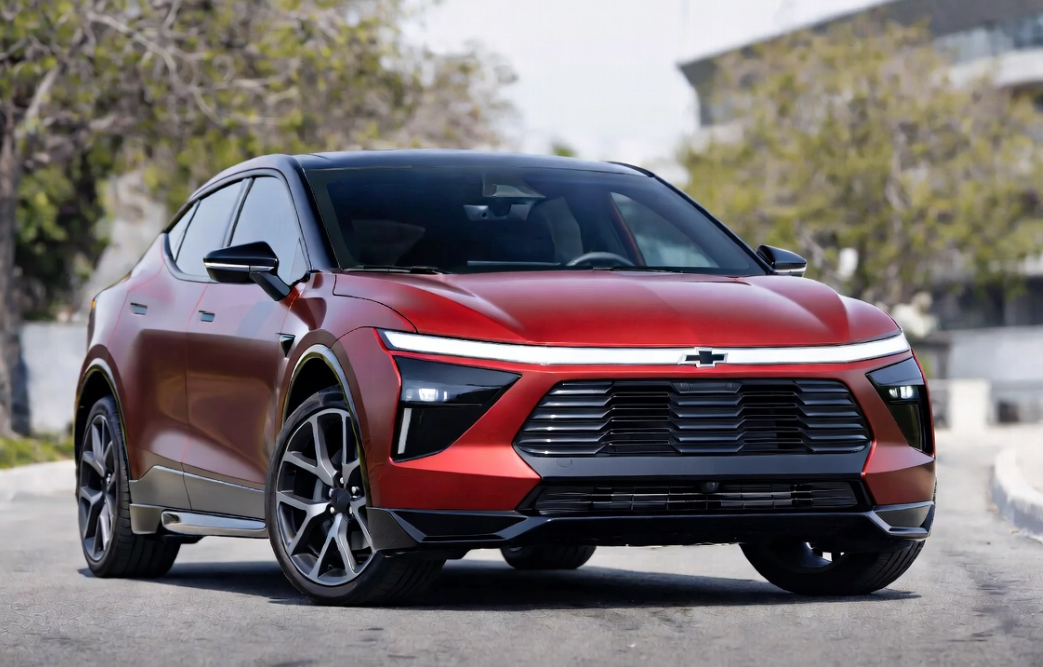
The 2027 Blazer EV retains its bold, Camaro-inspired styling with a sleek, athletic profile, angular headlights, and distinctive T-shaped daytime running lights. Subtle refreshes include new wheel designs (Gloss Black on SS), black mirror caps on LT trims, Gloss Black shark-fin antenna across the lineup, and updated roof rails.
Color options see adjustments, such as the introduction of White Sands replacing previous hues. These changes enhance the premium, sporty appeal without a full redesign, keeping the vehicle fresh for US roads.
Powertrains and Performance
The 2027 Blazer EV offers three main powertrain options tailored to different driving needs:
- LT and RS (FWD): Single-motor setup with approximately 220 hp, ideal for efficiency.
- LT and RS (AWD): Dual-motor with around 300 hp and strong torque.
- SS (AWD): High-performance dual-motor delivering up to 615 hp and 650 lb-ft of torque, achieving 0-60 mph in about 3.3 seconds.
It delivers smooth, responsive acceleration typical of EVs, with good handling and a comfortable ride suited for daily commuting and highway cruising across the USA.
Range, Charging, and Efficiency
Range remains a highlight:
- Up to 312 miles EPA-estimated for FWD LT/RS models (85 kWh battery).
- Around 283 miles for AWD variants.
- ~302-303 miles for the SS (102 kWh battery).
A key 2027 upgrade is the native NACS charging port, enabling direct access to Tesla Superchargers without adapters, plus continued CCS compatibility. DC fast charging adds significant range quickly (e.g., ~10-20% in 10 minutes depending on conditions).
This makes it highly practical for long US road trips.
Trims, Pricing, and Features
Pricing for the 2027 Blazer EV starts competitively (MSRP estimates around $44,700–$62,495 before incentives, varying by trim and options):
- LT: Base model with solid standard features (FWD ~$46k).
- RS: Sportier styling, larger wheels, premium touches (popular mid-range choice).
- SS: Performance flagship with upgraded power and styling.
Standard tech includes a large 17.7-inch touchscreen with Google Built-In, wireless connectivity, and advanced driver aids like Chevy Safety Assist. Higher trims add Bose audio (now more widely available), Super Cruise hands-free driving, and luxury options.
Interior and Practicality
The spacious 5-seater cabin offers comfortable seating for adults in both rows, high-quality materials, and a modern layout. Cargo space is generous (~26 cu ft behind rear seats, expanding to ~60 cu ft), perfect for families, gear, or weekend getaways. The driver-focused cockpit includes an 11-inch digital gauge cluster.
Safety and Technology
Chevrolet equips the Blazer EV with a comprehensive suite of standard safety features, including automatic emergency braking, lane-keeping assist, and more. Available Super Cruise provides advanced hands-free highway driving assistance, a major plus for US drivers. Strong structural design and battery protections contribute to expected high safety ratings.
Who Should Buy the 2027 Chevy Blazer?
US buyers looking for a stylish, versatile midsize electric SUV with strong performance options, excellent range potential, and convenient charging will find the 2027 Blazer EV appealing. It’s ideal for tech-savvy families, daily commuters, or those wanting EV benefits without sacrificing utility. Federal and state incentives may further improve affordability.
The gas-powered Blazer continues in a limited capacity as a transitional model with its own updates, offering traditional powertrain familiarity.