2027 Chevy Bolt Heat Pump: Range, Efficiency & Availability – The 2027 Chevrolet Bolt marks a significant return for GM’s affordable electric vehicle, now featuring a standard heat pump system. This upgrade addresses one of the biggest pain points of previous Bolt models: cold-weather efficiency. For USA drivers facing varied climates, from harsh Midwest winters to mild coastal conditions, the heat pump promises better real-world performance.
Priced starting around $29,000 (including destination), the 2027 Bolt combines an updated design, faster charging, and improved thermal management in a practical compact crossover body.
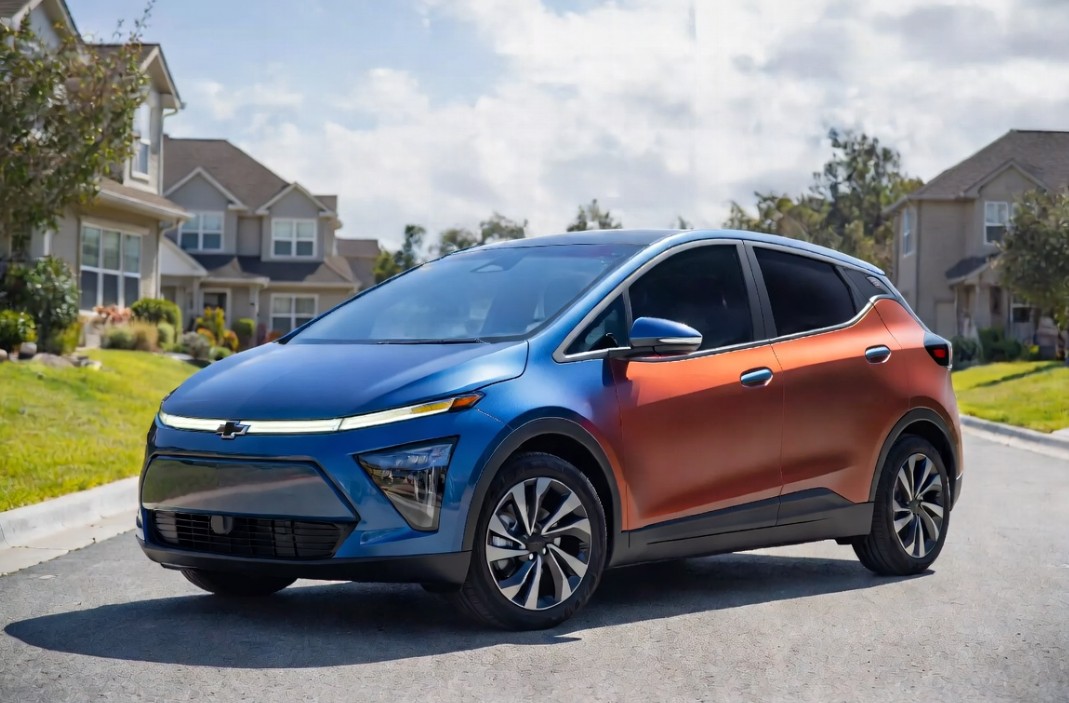
2027 Chevy Bolt Heat Pump Availability
The GM Energy Recovery heat pump is standard across all 2027 Bolt trims (LT, LT Comfort, and RS). It replaces the less efficient resistive (PTC) heater used in prior generations.
This system is now available nationwide as the vehicle rolls out in dealerships. Early availability favored the RS trim, with broader LT models following. Chevrolet’s official announcements confirm production and deliveries for the 2027 model year, with strong interest from budget-conscious EV buyers.
How the Heat Pump Works in the 2027 Bolt?
The heat pump actively transfers heat from the drivetrain, battery, and ambient air to warm the cabin and precondition the battery. It also supports cooling functions efficiently. This integrated thermal management aligns the Bolt with newer GM EVs.
Unlike resistive heaters that directly convert electricity into heat (wasting significant energy), the heat pump uses far less battery power, especially in moderate cold. It works alongside features like battery preconditioning for DC fast charging.
Efficiency Gains from the 2027 Chevy Bolt Heat Pump
Previous Bolts suffered notable range loss in winter due to cabin heating. The new heat pump significantly reduces this penalty by recycling waste heat.
Reviews and tests highlight improved cold-weather performance. The system helps maintain higher efficiency during preconditioning and driving, with owners noting better overall energy use compared to older resistive systems. Combined with an efficient LFP battery and SiC inverters in some analyses, the 2027 Bolt achieves strong MPGe ratings (around 110 combined).
Range Impact: Real-World Expectations for USA Drivers
The 2027 Bolt has an EPA-estimated 262 miles of range with its 65 kWh LFP battery (some early estimates cited 255 miles).
- Mild/city conditions: Excellent efficiency, often exceeding 110 MPGe with strong regen.
- Highway/cold weather: Heat pump mitigates losses. Highway tests show solid results, though expect 20-30% reduction in extreme cold (better than pre-2027 models). Real-world highway range tests have achieved around 180-200 miles in varied conditions.
LFP chemistry allows charging to 100% regularly without degradation concerns, and faster 150 kW+ DC charging (10-80% in ~25-26 minutes) helps on longer trips.
Other Key Features Enhancing Efficiency and Usability
- Native NACS port for Tesla Supercharger access.
- Google built-in infotainment with 11.3-inch screen.
- Improved aerodynamics and 210 hp motor.
- Available Super Cruise hands-free driving.
These make the Bolt a compelling affordable EV for American families and commuters.
Is the 2027 Chevy Bolt Right for You?
With its standard heat pump, competitive pricing under $30k for base models, and meaningful range improvements, the 2027 Bolt is a strong contender in the budget EV segment. It particularly benefits drivers in colder states by minimizing winter range anxiety.
Check local Chevrolet inventory or the official site for availability and incentives like federal tax credits (subject to eligibility).