2027 Chevy Bolt Range, Efficiency & mi/kWh Guide – The 2027 Chevy Bolt returns as one of America’s most affordable and efficient electric vehicles, with an official EPA-estimated range of 262 miles on a single charge. This figure comes from Chevrolet’s official specifications and aligns with independent testing data.
It uses a new 65 kWh lithium iron phosphate (LFP) battery pack paired with a 210-hp front-wheel-drive electric motor. Official EPA efficiency ratings are:
- City: 134 MPGe
- Highway: 106 MPGe
- Combined: 120 MPGe
These translate to an energy consumption of approximately 28 kWh per 100 miles combined.
For U.S. drivers, this efficiency means low “fuel” costs — often $0.04–$0.06 per mile depending on local electricity rates — making the Bolt ideal for daily commuting and longer trips with planning.
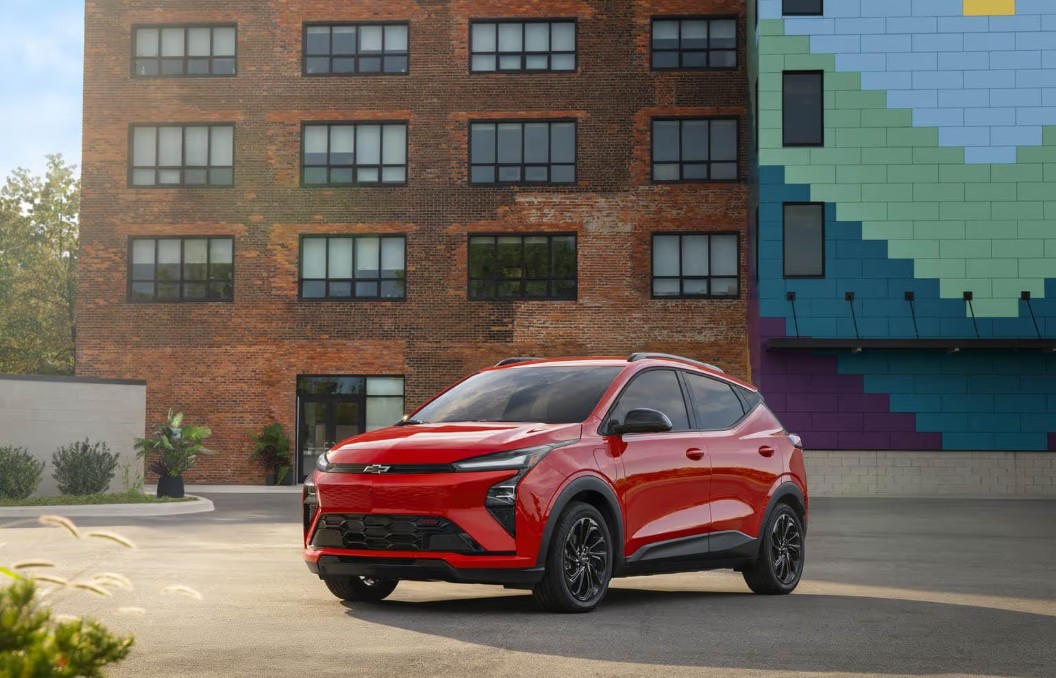
Miles per kWh Explained for the 2027 Chevy Bolt
Miles per kWh (mi/kWh) is the key efficiency metric for electric vehicles, similar to miles per gallon for gas cars. It shows how many miles you can drive per kilowatt-hour of electricity used from the battery. Higher numbers mean better efficiency and lower operating costs.
For the 2027 Chevy Bolt:
- EPA Combined: ~3.57 mi/kWh (calculated from 28 kWh/100 miles)
- EPA City: ~3.98 mi/kWh
- EPA Highway: ~3.15 mi/kWh
Real-world results often vary. In mixed driving, owners and testers frequently see 3.5–4.0+ mi/kWh, while sustained highway speeds (70–75 mph) typically drop to 2.9–3.5 mi/kWh depending on temperature, wind, and load.
This metric directly impacts your wallet: at 3.5 mi/kWh and $0.15/kWh electricity, you’re paying about 4.3 cents per mile — far less than most gas cars.
Real-World Range and Efficiency Tests
Independent tests confirm the Bolt’s strong real-world performance:
- Edmunds range test: 290 miles observed (vs. 262 EPA) with 26.2 kWh/100 miles efficiency — about 30 miles better than the official rating.
- Car and Driver 75-mph highway test: 230 miles total range.
- Highway tests at constant 75 mph (InsideEVs and others): Approximately 197 miles total with ~2.9 mi/kWh in demanding conditions.
These results show the 2027 Bolt often exceeds EPA estimates in moderate mixed driving but loses range on long, fast highway runs — typical for all EVs. Cold weather, headwinds, and aggressive driving reduce efficiency most noticeably for American road trips.
Factors That Affect 2027 Chevy Bolt Range and Efficiency
Several variables influence how many miles per kWh you’ll actually achieve:
- Speed — The biggest factor on highways. Efficiency drops sharply above 65–70 mph.
- Temperature — Cold weather (below 40°F) can reduce range 20–30% without preconditioning. Heat also uses energy for cabin cooling.
- Driving style — Rapid acceleration and hard braking lower efficiency. Smooth, anticipatory driving helps.
- Climate control & accessories — Using heat or AC, especially at high settings, consumes significant energy.
- Tires, wheels, and load — Proper inflation and avoiding heavy cargo or roof racks improve range.
- Terrain and weather — Hills, strong winds, and rain affect results.
- Battery preconditioning — Plugging in and preconditioning the cabin while charging maximizes available range.
U.S. drivers in northern states should prioritize preconditioning in winter, while southern drivers benefit from efficient cabin cooling strategies.
Tips to Maximize Miles per kWh in Your 2027 Chevy Bolt
Follow these proven strategies to get the most out of every charge:
- Drive in Eco mode or use available one-pedal driving when possible.
- Precondition the cabin and battery while plugged into a charger (especially important in extreme weather).
- Keep tires inflated to the recommended PSI and rotate them regularly.
- Limit highway speeds to 65–70 mph on long trips for best efficiency.
- Use seat heaters or steering wheel heat instead of cabin heat when possible.
- Plan trips with apps that account for real-time efficiency and charging stops.
- Charge regularly to 80–100% (LFP batteries handle frequent full charges well) and avoid letting it sit at very low SOC for long periods.
These habits can easily add 20–50+ miles of real-world range for many owners.
Charging the 2027 Chevy Bolt: Faster and More Convenient
The 2027 model features a standard NACS charge port, giving access to Tesla Superchargers and most other public DC fast chargers. Chevrolet estimates 10–80% charge in about 25 minutes at compatible 150 kW+ stations — more than 2.5 times faster than the previous Bolt generation.
For maximum efficiency and lowest cost:
- Install a Level 2 home charger (240V) for overnight charging.
- Take advantage of time-of-use electricity rates where available.
- Use public DC fast charging mainly for road trips.
With widespread NACS compatibility, charging on long U.S. road trips is now much more convenient than before.
Why the 2027 Chevy Bolt Stands Out for U.S. Drivers?
Starting around $28,000–$29,000 (before incentives), the 2027 Bolt delivers class-leading efficiency, a practical 262-mile range, spacious interior, and strong value. It may qualify for the federal Clean Vehicle Credit of up to $7,500 (subject to income limits and other IRS requirements).
Its combination of low purchase price, excellent efficiency (~3.57 mi/kWh EPA combined), fast charging, and everyday usability makes it one of the smartest EV choices for American commuters, families, and road-trippers who want to minimize both upfront and operating costs.
Final Thoughts
The 2027 Chevy Bolt proves that efficiency and affordability can coexist in a modern EV. With strong EPA ratings, impressive real-world results in mixed driving, and improved charging, it offers American drivers a compelling package for low-cost electric motoring.
Whether you’re commuting in the city, running errands, or planning weekend getaways, understanding miles per kWh and the factors that influence it will help you maximize range and savings. The Bolt makes efficient electric driving accessible to more U.S. households than ever before.
For the latest pricing, incentives, and local inventory, check Chevrolet.com or visit your nearest Chevy dealer. Real-world results will vary based on your driving habits and conditions — but the 2027 Bolt consistently delivers strong efficiency for its price point.