2027 Chevy Bolt vs Equinox EV: Specs, Differences & Winner – The 2027 Chevrolet Bolt EV returns as America’s most affordable new EV, while the Equinox EV offers more space and range in a compact crossover package. Both deliver strong value for U.S. buyers seeking reliable, practical electric vehicles with modern features and access to extensive charging networks.
This comparison breaks down key differences in pricing, performance, range, features, and more to help you decide the best choice for commuting, family use, or daily driving.
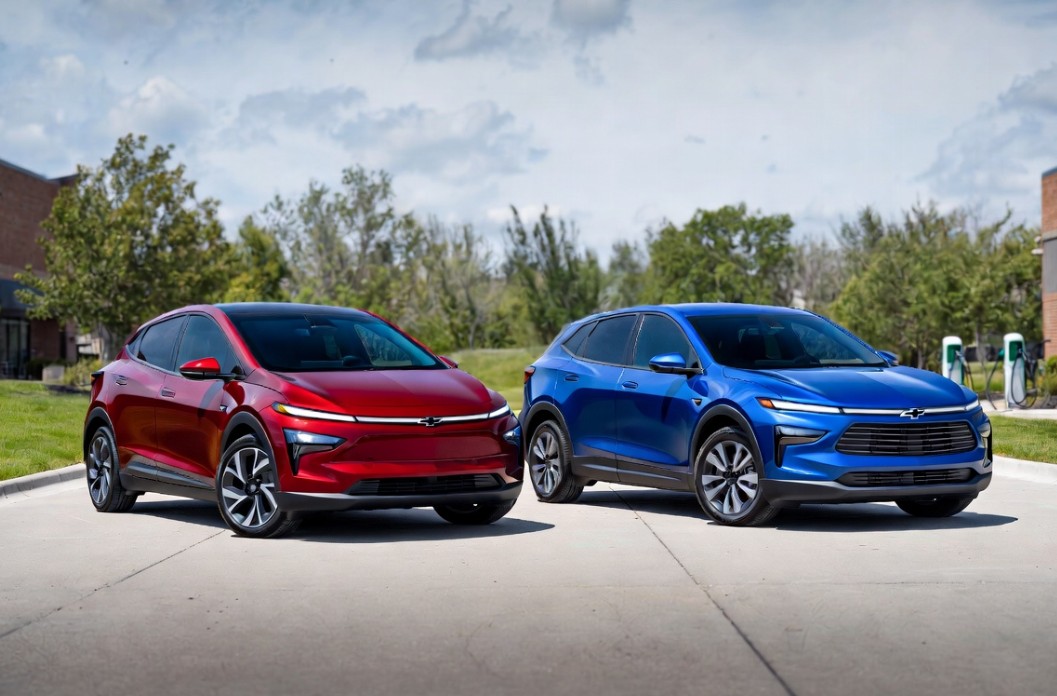
Pricing and Value: Bolt Wins on Affordability
The 2027 Chevy Bolt starts at approximately $27,600–$28,995 for the LT trim, with the RS around $31,600–$32,995 (before destination and incentives). This makes it one of the lowest-priced new EVs in the U.S.
The Chevy Equinox EV (2026 model, current as of 2027 comparisons) starts at $34,995 for the LT1 FWD, with higher trims reaching $41,000–$45,000+.
Federal tax credits and state incentives can further reduce costs for both, but the Bolt’s lower entry point appeals strongly to budget-conscious buyers. Long-term ownership favors the Bolt for lower upfront costs and strong efficiency.
Battery, Range, and Efficiency
- 2027 Bolt: 65 kWh LFP battery, EPA-estimated 255–262 miles range, FWD only. Excellent city efficiency (around 134 MPGe city).
- Equinox EV: Larger ~85 kWh Ultium battery, up to 319 miles (FWD) or ~307 miles (AWD). Strong highway capability.
The Bolt excels in urban efficiency and value per mile, while the Equinox EV better suits longer trips or those needing extra range buffer. Both use LFP or advanced chemistries for durability.
Performance and Driving Experience
- Bolt: 210 hp, 169 lb-ft torque, FWD. Responsive around town with updated handling and a heat pump for better cold-weather efficiency.
- Equinox EV: 220 hp FWD (single motor) or up to 300 hp AWD (dual motor). Smoother and more powerful for highway merging or loaded driving.
The Bolt feels nimble and fun in compact spaces; the Equinox offers a more refined, SUV-like ride with available AWD for varied U.S. weather conditions.
Charging Speeds and Convenience
Both support NACS (native on Bolt) and DC fast charging up to ~150 kW:
- Bolt: 10-80% in ~25 minutes.
- Equinox EV: Similar capability, adding meaningful range quickly.
Both integrate well with Tesla Superchargers and the growing U.S. network. Home Level 2 charging works seamlessly for daily needs.
Interior, Space, and Practicality
Bolt (hatchback):
- Compact footprint, surprisingly roomy for 5 passengers.
- Redesigned interior with 11.3-inch touchscreen, 11-inch driver display, improved console, and flexible cargo (up to ~56 cu ft).
Equinox EV (crossover SUV):
- More upright seating, easier entry/exit.
- Larger cargo capacity (up to 57+ cu ft), big 17.7-inch touchscreen (class-leading).
The Equinox feels more premium and family-friendly; the Bolt maximizes value in a smaller package ideal for city parking and efficiency.
Technology and Safety Features
Both offer:
- Google built-in / Android Automotive elements.
- Wireless charging, large screens, and Chevy Safety Assist (automatic emergency braking, lane keep, etc.).
- Available Super Cruise hands-free driving.
The Equinox’s massive screen stands out for infotainment, while the Bolt provides modern tech at a lower price.
Best Choice: Bolt for Most Buyers, Equinox for More Space/Range
Choose the 2027 Chevy Bolt if:
- You want the lowest price and best value.
- Primarily drive in the city/suburbs.
- Prioritize efficiency and affordability.
Choose the Equinox EV if:
- You need more cargo space, SUV stance, or AWD.
- Longer commutes or road trips are common.
- You prefer a larger vehicle with premium features.
Both are strong U.S.-market options backed by Chevrolet’s warranty and charging ecosystem. Test drive them to match your lifestyle—many buyers will find the Bolt unbeatable for everyday value.