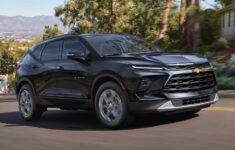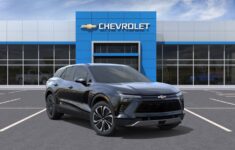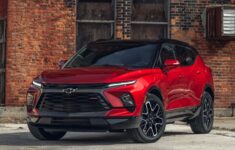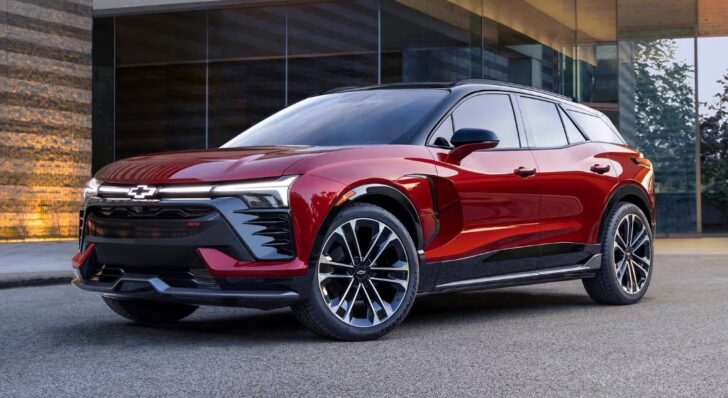
2026 Chevy Blazer EV vs Gas – Specs, Price, and Power Compared – In the evolving world of midsize SUVs, the 2026 Chevy Blazer stands out as a versatile choice for families, adventurers, and performance seekers alike. Whether you’re drawn to the instant torque of electric power or the familiar rumble of a gas engine, Chevrolet offers both versions under the Blazer badge. The gas-powered Blazer delivers classic reliability with updated styling, while the 2026 Chevy Blazer EV pushes boundaries with zero-emissions driving and cutting-edge tech. This comparison dives into specs, price, and power to help you decide which fits your lifestyle—especially as EV adoption surges and gas prices fluctuate. Why does it matter? With federal incentives making EVs more affordable and gas models offering long-range peace of mind without plugs, choosing between them could save you thousands over time.
Overview of the 2026 Chevy Blazer Lineup
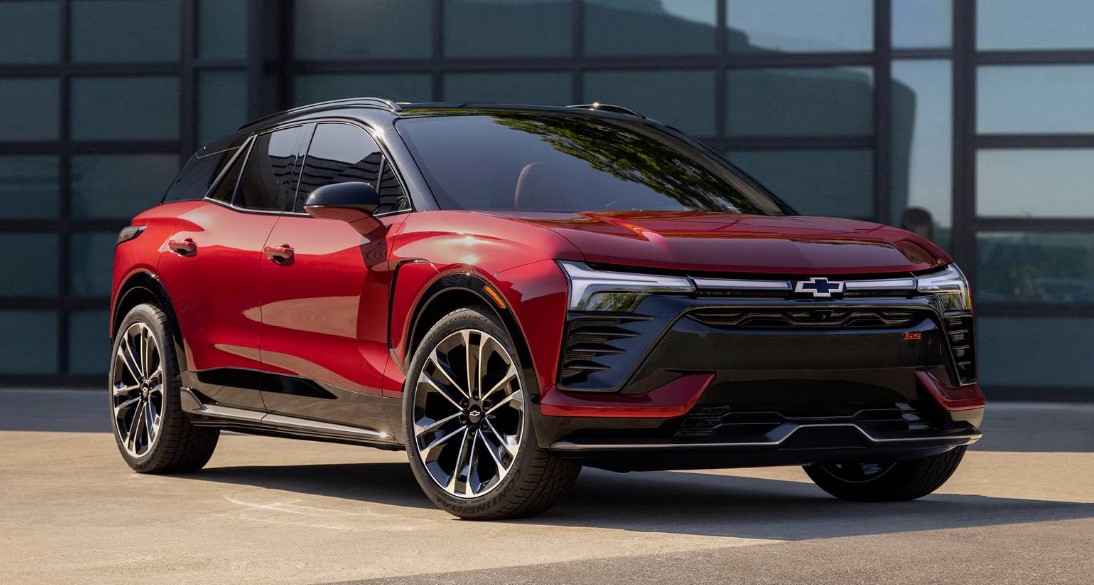
The 2026 Chevy Blazer lineup caters to diverse needs, blending sporty design with practical utility. Both the gas and EV versions seat five passengers comfortably, boast up to 64.2 cubic feet of cargo space with seats folded, and feature Chevrolet’s signature bold grille and sleek LED lighting. However, they diverge in powertrains: the gas model sticks to traditional engines, while the EV embraces Ultium battery tech for silent, efficient performance.
- Gas Blazer Trims: 2LT (base), 3LT, RS, Premier. Starting around $36,095, it’s ideal for those who prioritize affordability and widespread fueling.
- Blazer EV Trims: LT, RS, SS. Kicking off at $44,600, it appeals to eco-conscious drivers seeking futuristic features like a 17.7-inch touchscreen.
Practical tip: If you tow occasionally, the gas version maxes out at 4,500 pounds—perfect for weekend trailers—while the EV tops at 1,500 pounds to preserve battery life.
Price Comparison: Value for Your Dollar
Pricing is a key battleground, with the gas Blazer undercutting the EV by about $8,000 at entry level. But factor in the $7,500 federal EV tax credit (eligible for most Blazer EV buyers), and the gap narrows significantly. Expect real-world deals to drop the EV’s effective starting price to around $37,100 after incentives.
Here’s a quick trim-by-trim price breakdown (MSRP, excluding destination fees and options):
| Trim Level | Gas Blazer Price | Blazer EV Price (Post-Tax Credit Est.) |
|---|---|---|
| Base (2LT / LT) | $36,095 | $37,100 |
| Mid (3LT / RS FWD) | $41,495 | $43,400 |
| Premium (Premier / RS AWD) | $45,395 | $47,400 |
| Performance (RS / SS) | N/A (V6 upgrade +$1,500) | $53,100 |
The gas model’s lower upfront cost shines for budget buyers, but EVs often win on long-term savings—more on that later. Example: A daily commuter driving 15,000 miles annually could save $800–$1,200 yearly on “fuel” with the EV, assuming average U.S. electricity rates of $0.16/kWh vs. $3.50/gallon gas.
Power and Performance: From Steady to Electrifying
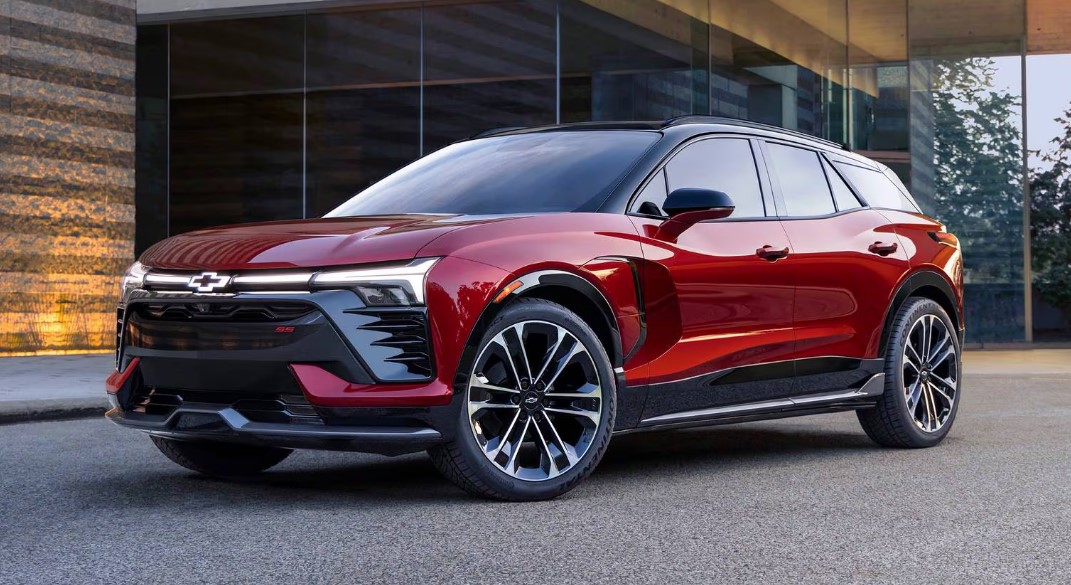
Power defines the driving thrill, and the 2026 Chevy Blazer duo delivers distinct flavors. The gas version offers smooth, predictable acceleration with a 9-speed automatic transmission, while the EV’s electric motors provide instant response—no gear shifts, just pure shove.
Gas Blazer Power Specs
Opt for the standard 2.0L turbocharged 4-cylinder (228 horsepower, 258 lb-ft torque) for efficient daily drives, or upgrade to the 3.6L V6 (308 hp, 270 lb-ft) on RS or Premier trims for more grunt. Both pair with FWD standard or available AWD.
- 0-60 mph: ~7.5 seconds (4-cyl), ~6.2 seconds (V6).
- Drive Modes: Tour, Sport, Snow/Ice, Tow/Haul—great for varied conditions.
- Real-world insight: The V6 feels lively on highways, but the turbo-4 suffices for city merging without drama.
Blazer EV Power Specs
The EV lineup scales from efficient to ferocious. Single-motor FWD setups prioritize range, while dual-motor AWD adds traction and pep. The halo SS trim unleashes Wide Open Watts (WOW) mode for supercar-like bursts.
- LT/RS FWD: 220 hp, 243 lb-ft; 0-60 in ~7.5 seconds.
- LT/RS AWD: 288 hp, 333 lb-ft; 0-60 in ~6.0 seconds.
- SS AWD: 515 hp (normal)/615 hp (WOW), 450/650 lb-ft; 0-60 in 3.4 seconds.
Imagine blasting past highway traffic in the SS—it’s the quickest Blazer ever, rivaling sports cars while staying SUV-practical. Tip for enthusiasts: Enable Regen on Demand in the EV for one-pedal driving, turning stops into energy recovery for extended trips.
| Aspect | Gas Blazer (Base V6) | Blazer EV (Base AWD) | Blazer EV SS |
|---|---|---|---|
| Horsepower | 228–308 hp | 288 hp | 615 hp |
| Torque | 258–270 lb-ft | 333 lb-ft | 650 lb-ft |
| 0-60 mph | 6.2–7.5 sec | 6.0 sec | 3.4 sec |
| Drivetrain | FWD/AWD | FWD/AWD | AWD |
Range and Efficiency: How Far Can You Go?
Efficiency separates the two most starkly. The gas Blazer sips fuel at 22 city/29 highway MPG (4-cyl FWD), dropping to 19/26 with the V6 or AWD. That’s about 450–550 miles per tank (21.7-gallon capacity).
The Blazer EV excels with an 85-kWh battery (102-kWh on SS), delivering:
- FWD: 312 miles EPA range.
- AWD: 283 miles.
- SS: 303 miles.
Charging tip: Use a Level 2 home charger (240V) for 0-80% in ~8 hours overnight; DC fast-charging adds 78 miles in 10 minutes. For gas owners, apps like GasBuddy can optimize fill-ups, but EVs integrate seamlessly with the myChevrolet app for route planning and charger locator—over 250,000 stations nationwide, including Tesla Superchargers.
Features and Technology: Shared Smarts with EV Edge
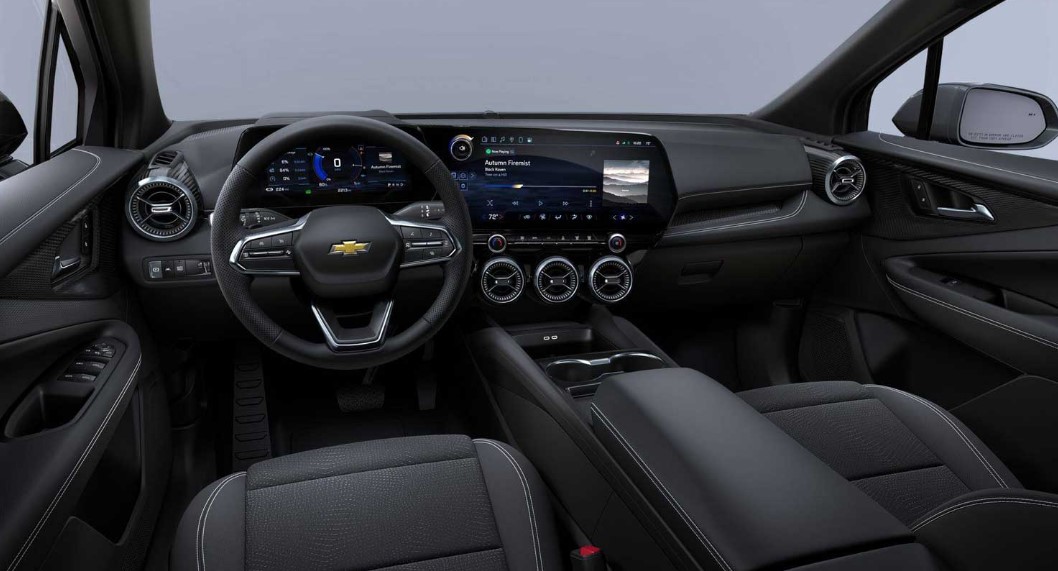
Both Blazers pack a punch in tech, with standard 11-inch driver displays and wireless Apple CarPlay/Android Auto. Safety suites like Chevy Safety Assist (automatic emergency braking, lane keep) come standard.
- Gas Standouts: Remote start, Wi-Fi hotspot, optional adaptive cruise.
- EV Exclusives: Google built-in infotainment, Super Cruise hands-free driving (standard on SS, optional elsewhere), and bidirectional charging for home backup.
Engaging example: Picture preconditioning the cabin via app while charging—the EV uses grid power, not battery, saving range for your commute.
Ownership Costs: Beyond the Sticker Price
Upfront, gas wins on price; long-term, EV edges out with $0.03–$0.04 per mile vs. gas’s $0.12–$0.15. Maintenance? Gas needs oil changes (~$50/6 months); EVs have regenerative brakes lasting longer, plus an 8-year/100,000-mile battery warranty. Resale? EVs hold value amid green incentives, but check local rebates.
Tip: For EV newbies, start with public charging apps to build confidence—it’s as easy as pumping gas once you’re set up.
Wrapping Up: Which Blazer Ignites Your Drive?
The 2026 Chevy Blazer EV dazzles with silent power and efficiency for forward-thinkers, while the gas version offers approachable, no-fuss versatility. If range anxiety or budgets rule, go gas; for thrills and savings, the EV charges ahead. Test drive both— the EV’s instant torque might just convert you.
Key Points Summary Table
| Category | Gas Blazer Highlights | Blazer EV Highlights |
|---|---|---|
| Starting Price | $36,095 (eligible trims) | $44,600 (minus $7,500 credit: ~$37,100) |
| Power Range | 228–308 hp, 6.2–7.5 sec 0-60 | 220–615 hp, 3.4–7.5 sec 0-60 |
| Efficiency | 22/29 MPG (FWD 4-cyl) | Up to 312 miles range (FWD) |
| Best For | Budget towing, long trips without plugs | Eco-driving, quick acceleration, tech |
| Annual Savings Est. | Baseline | $800–$1,200 on fuel vs. gas |