2026 Chevy Bolt Charging Time – Fast, Simple, and Convenient – The electric vehicle world just got a jolt of excitement with the return of the Chevy Bolt. After a brief hiatus, Chevrolet is bringing back this affordable EV icon for the 2026 model year, packed with upgrades that make it more practical than ever. At the heart of its appeal? Lightning-fast charging times that blend seamlessly into your daily routine. Whether you’re a city commuter zipping to work or a weekend road-tripper chasing horizons, the 2026 Chevy Bolt promises charging that’s not just quick—it’s downright effortless. In this guide, we’ll break down everything you need to know about its charging capabilities, from home setups to highway pit stops, so you can hit the road with confidence.
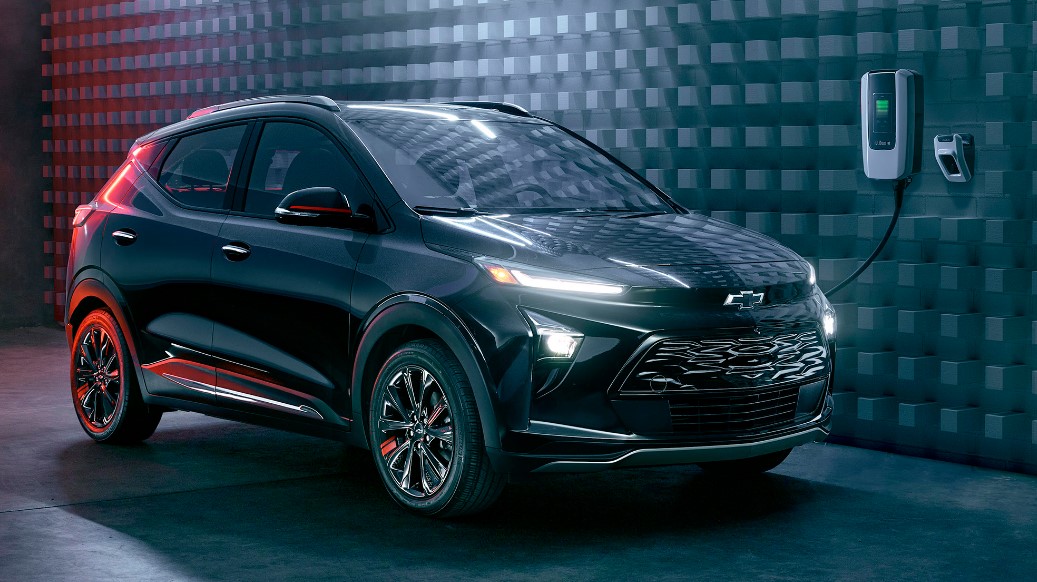
Why the 2026 Chevy Bolt’s Charging is a Game-Changer
The original Bolt EV turned heads in 2017 as one of the first sub-$30,000 EVs with real-world range. But let’s be honest—its charging speeds lagged behind the pack, especially on public fast chargers. Enter the 2026 Chevy Bolt: a refreshed powerhouse with a 65 kWh lithium-iron-phosphate (LFP) battery that’s tougher, more efficient, and warrantied for 8 years or 100,000 miles. This setup delivers an EPA-estimated 255 miles of range on a full charge, enough to cover the average American’s daily drive (about 42 miles) with plenty to spare.
What sets this Bolt apart is its focus on convenience-first charging. Chevrolet engineers prioritized real-life scenarios, like plugging in after dinner or grabbing a coffee during a quick top-up. The result? A native NACS (North American Charging Standard) port for easy access to Tesla Superchargers and a growing network of public stations. Plus, features like automatic battery preconditioning ensure you’re always ready for peak performance. It’s not just about speed—it’s about making EV ownership feel as simple as filling up a gas tank.
Battery and Range Basics
Before diving into times, a quick primer on the tech under the hood:
- Battery Chemistry: LFP cells in a prismatic design for durability and safety—no cobalt means less environmental impact and better longevity.
- Efficiency Boosters: A heat pump for climate control, blended regenerative braking, and a silicon carbide inverter that minimizes energy loss.
- Real-World Range Tip: In mild weather, expect close to the full 255 miles. In cold snaps, precondition the battery via the app to squeeze out extra efficiency—users report up to 10% better range on frosty mornings.
This foundation makes charging more predictable, so you spend less time worrying about outlets and more time enjoying the drive.
Level 1 Charging: Slow and Steady for Overnight Wins
If you’re new to EVs or short on garage space, Level 1 charging is your gentle entry point. It uses a standard 120V household outlet and the included dual-level charge cord—no fancy install required.
- Charging Speed: Adds about 4 miles of range per hour.
- Full Charge Time: From empty to full, expect around 50-60 hours (that’s why it’s best for overnight drips).
Practical Insight: Picture this—you pull into your driveway after a 30-mile commute with 20% left. Plug in before bed, and wake up to a topped-off battery ready for errands. It’s ideal for apartment dwellers or as a backup. Pro tip: Avoid extension cords to prevent voltage drops; a dedicated outlet ensures steady flow.
While not flashy, Level 1 shines in its simplicity, covering 80% of EV owners’ needs since most charge at home, per U.S. Department of Energy data.
Level 2 Charging: The Home Sweet Spot for Daily Drivers
For most Bolt owners, Level 2 charging is the gold standard—fast enough for overnight fullness without breaking the bank. It taps into a 240V outlet (think dryer plug) and supports up to 11.5 kW with the right setup.
Here’s a quick breakdown:
| Charger Type | Power Output | Miles of Range per Hour | Full Charge Time (0-100%) |
|---|---|---|---|
| 240V Dual-Level Cord (included) | 7.7 kW | ~26 miles | ~10 hours |
| Dedicated 60A Level 2 Station (optional) | 11.5 kW | ~40 miles | ~6.5 hours |
Engaging Example: Imagine charging during your evening Netflix binge. With the 11.5 kW option, you’ll add enough juice for a full day’s drive (say, 42 miles) in under two hours. Installation costs $500-$1,500, but rebates like the federal 30% tax credit can offset that.
Tips for Success:
- Schedule charges during off-peak utility hours (often midnight-6 a.m.) to slash electricity bills by up to 50%.
- Use the myChevrolet app to monitor progress and set limits—perfect for avoiding overcharge if you’re heading out early.
- For multi-car households, the Bolt’s vehicle-to-home (V2H) capability lets it power your lights during outages, turning charging into a home hero.
This level keeps things convenient without complexity, making the Bolt feel like a seamless upgrade from gas guzzlers.
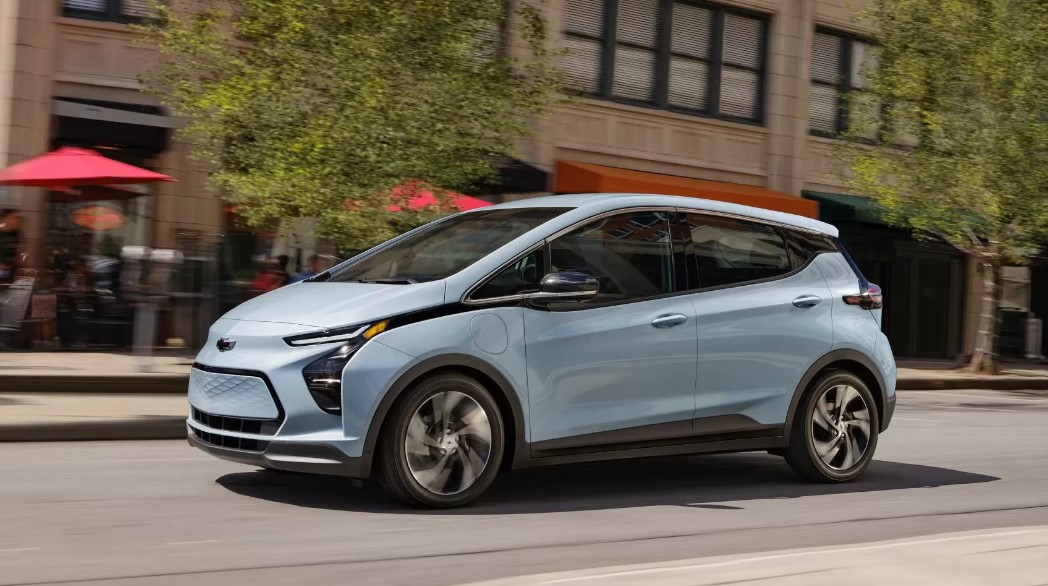
DC Fast Charging: Quick Stops for On-the-Go Adventures
Road trips just leveled up with the 2026 Chevy Bolt’s DC fast charging, now peaking at 150 kW—over 2.5 times faster than the original’s 50 kW max. No more hour-long coffee breaks; this is grab-and-go territory.
- Key Stat: 10% to 80% in just 26 minutes on a compatible station.
- Miles Added: Up to 100+ miles in 15 minutes under ideal conditions.
Why It Matters: With the NACS port, you tap into 15,000+ Superchargers, plus Electrify America and others. Battery preconditioning kicks in automatically when navigating to a station, optimizing temps for max speed.
Step-by-Step Road Trip Hack:
- Use Google built-in Maps in the Bolt to route with charging stops— it factors in real-time station availability and your range.
- Aim for 20-80% sessions to preserve battery health; full charges on DC can add unnecessary wear.
- Pair with a quick stretch: That 26-minute window is perfect for a bathroom break and snack run.
Enthusiasts rave about this upgrade—early test drives show it rivals pricier EVs in usability, without the premium price tag.
Tips for Maximizing Your Bolt’s Charging Efficiency
To squeeze every electron out of your 2026 Chevy Bolt, small habits go a long way. Here are battle-tested insights from EV veterans:
- Weather-Proof Your Routine: In summer heat, park in shade before charging to avoid thermal throttling. Winter? Precondition en route to stations for 10-15% faster rates.
- App Smarts: Enable “Hey Google” voice commands to adjust climate while plugged in, saving battery for the road.
- Maintenance Must: Keep tires inflated and align the car annually—underinflated tires can cut range by 5-10%, indirectly stretching charge times.
- Eco Mode Toggle: Switch to this for highway hauls; it prioritizes efficiency, adding 20-30 miles per charge.
These tweaks not only shorten charging times but enhance the fun factor, turning routine plugs into opportunities for smarter driving.
How the 2026 Bolt Stacks Up Against Its Predecessor
Curious if the hype holds? A side-by-side glance:
| Feature | Original Bolt EV (2017-2023) | 2026 Chevy Bolt EV |
|---|---|---|
| DC Peak Speed | 50 kW | 150 kW |
| 10-80% Time | ~60+ minutes | 26 minutes |
| Level 2 Max | 7.7 kW (~25 miles/hr) | 11.5 kW (~40 miles/hr) |
| Battery Warranty | 8 years/100,000 miles | Same, but LFP for better cycle life |
| Port Type | CCS | Native NACS |
The 2026 model isn’t just faster—it’s future-proofed for expanding networks, making it a smarter buy for long-term EV adopters.
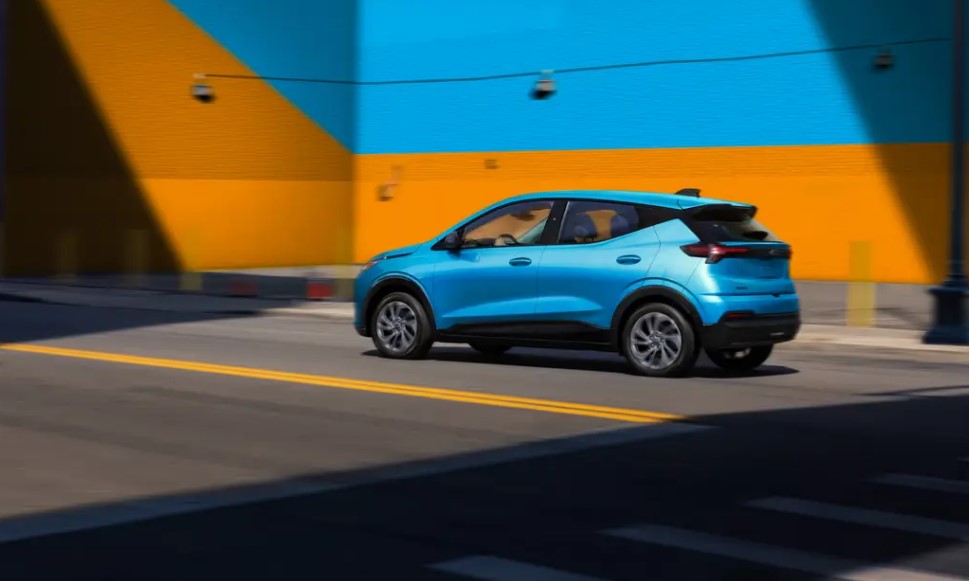
Wrapping Up: Charge Ahead with Confidence
The 2026 Chevy Bolt redefines affordable EV living by making charging time a non-issue. From leisurely overnight Level 1 sessions to blistering 26-minute DC boosts, it’s engineered for the rhythms of real life—fast where it counts, simple always, and convenient for everyone. Whether you’re ditching gas for good or upgrading your daily driver, this Bolt proves electric doesn’t mean complicated.
For a quick reference, here’s a summary of the essentials:
| Charging Level | Speed (Miles/Hour) | Full Charge Time | Best For |
|---|---|---|---|
| Level 1 (120V) | ~4 | 50-60 hours | Overnight maintenance |
| Level 2 (7.7 kW) | ~26 | ~10 hours | Daily home use |
| Level 2 (11.5 kW) | ~40 | ~6.5 hours | Faster home setups |
| DC Fast (150 kW) | 100+ miles in 15 min | 10-80% in 26 min | Road trips & quick stops |
Ready to plug in? Reservations are open—your efficient, engaging EV adventure starts now.