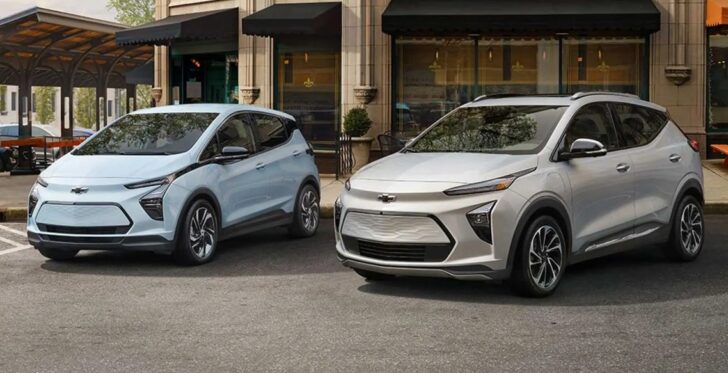
2026 Chevy Bolt EV vs EUV – What’s the Real Difference? – The Chevrolet Bolt has been a game-changer in the affordable electric vehicle (EV) market since its debut, offering practical range, low ownership costs, and zero-emission driving without breaking the bank. As we approach 2026, excitement is building around the return of the Bolt after a brief hiatus. But with past models split into the compact Bolt EV hatchback and the slightly larger Bolt EUV crossover, many shoppers are asking: What’s the real difference between the 2026 Chevy Bolt EV and EUV? In reality, Chevrolet is streamlining the lineup with a single new Bolt model for 2026 (badged as a 2027 model year), built on the Ultium platform with LFP battery tech and sized like the previous EUV. This article breaks down the evolution, compares the previous-generation differences, and highlights what the 2026 Bolt brings to the table—helping you decide if it fits your daily commute, family needs, or budget.
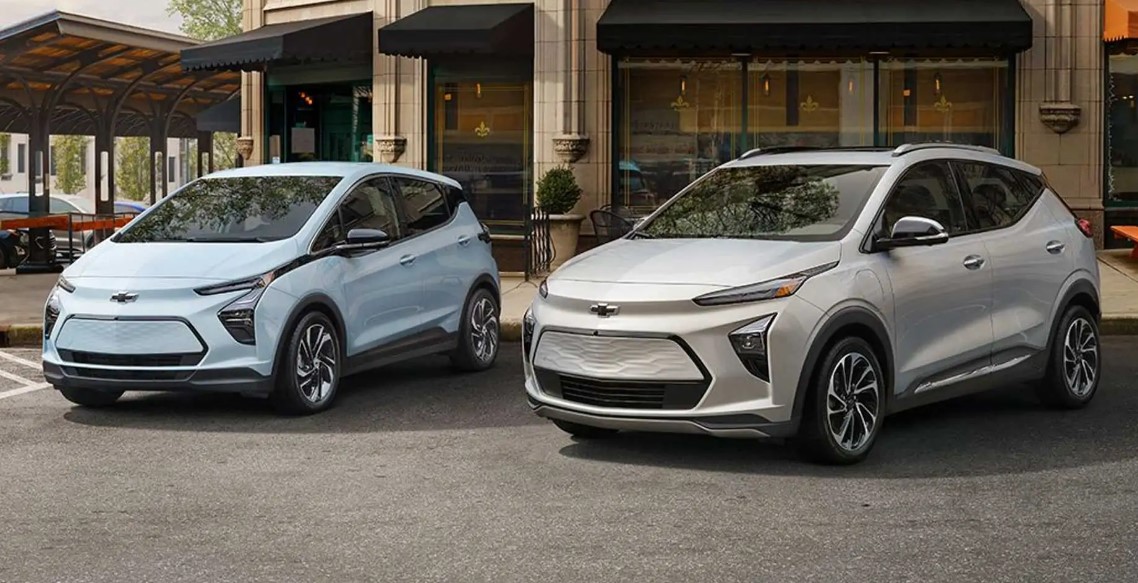
The Bolt Lineup Evolution: From Two Models to One
The original Chevy Bolt EV launched in 2017 as a subcompact hatchback, praised for its impressive range at an entry-level price. In 2021, Chevrolet introduced the Bolt EUV (Electric Utility Vehicle) as a roomier sibling with crossover styling. Both were discontinued in late 2023 to make way for GM’s next-gen EVs.
Fast forward to 2026: The reinvented Bolt returns in early 2026 as a single model, combining the affordability of the old EV with the practicality of the old EUV. It’s essentially an evolution of the EUV’s platform—longer wheelbase, more rear space—but with modern upgrades like faster charging and native NACS (Tesla-compatible) port. No separate smaller EV version is planned, making the “EV vs EUV” debate moot for the new generation. This consolidation simplifies choices while keeping starting prices under $30,000.
Tip for buyers: If you loved the old Bolt EV’s nimble size for city parking, the 2026 model’s slightly larger footprint (still compact) offers better stability on highways without feeling bulky.
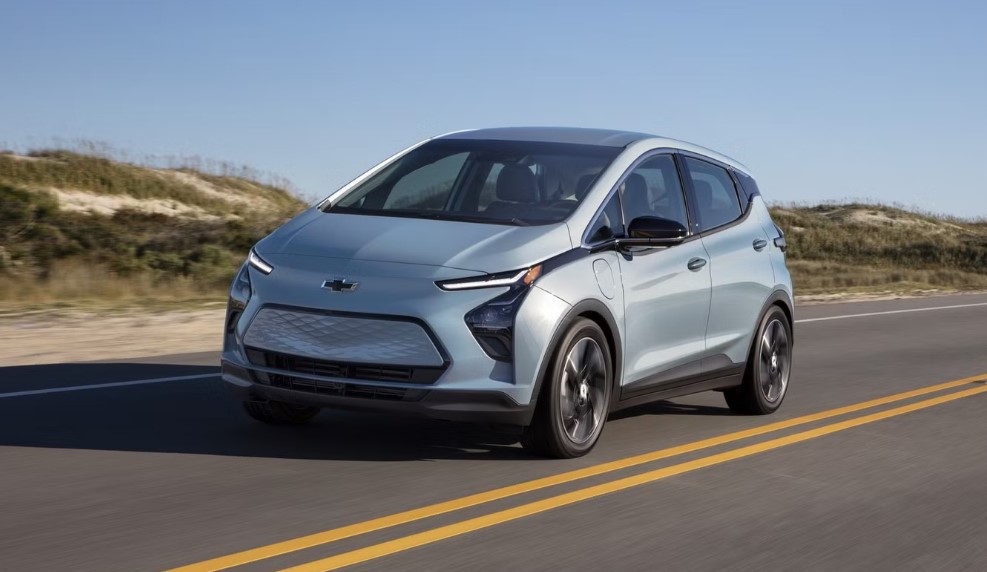
Previous Generation Differences (2022-2023 Models)
To understand the 2026 Bolt’s positioning, let’s compare the last Bolt EV and EUV. These shared the same 200-hp electric motor, 66-kWh battery, and front-wheel drive but diverged in size, space, and features.
Exterior Design and Dimensions
- Bolt EV: Subcompact hatchback with a low-slung profile for agile handling. Length: 163.2 inches; Wheelbase: 102.4 inches; Height: ~62.8 inches. It looked more like a traditional car, ideal for urban environments.
- Bolt EUV: Crossover-inspired with taller stance, plastic cladding, and roof rails for a rugged vibe. Length: 169.5 inches; Wheelbase: 105.3 inches; Height: 63.6 inches—about 6 inches longer overall for better proportions.
The EUV’s extra length translated to a more commanding road presence, while the EV was easier to maneuver in tight spots.
Interior Space and Comfort
- Bolt EV: Seating for 5; Front legroom: 44.3 inches; Rear legroom: 36.0 inches; Cargo: 16.6 cu ft behind seats (57 cu ft folded).
- Bolt EUV: More generous rear seating; Front legroom: 44.3 inches; Rear legroom: 39.1 inches; Cargo: 16.3 cu ft behind seats (56.9 cu ft folded). The added wheelbase made it family-friendly.
Practical insight: EUV owners often raved about fitting child seats comfortably or hauling groceries without folding seats—perfect for suburban errands.
Performance and Range
Both delivered peppy acceleration (0-60 mph in ~6.5 seconds) with 200 horsepower and 266 lb-ft of instant torque.
- Bolt EV: EPA range of 259 miles; Efficiency: 131 MPGe city / 109 highway.
- Bolt EUV: Slightly lower at 247 miles due to weight and aerodynamics; Efficiency: 125 MPGe city / 104 highway.
One-pedal driving was standard on both for regenerative braking, extending real-world range in stop-go traffic.
Charging Capabilities
Identical setup: Up to 55 kW DC fast charging (adding ~100 miles in 30 minutes) and 11 kW Level 2 home charging.
- Tip: Use apps like PlugShare to plan routes—both models qualified for the full $7,500 federal tax credit in prior years, slashing effective costs.
Technology and Features
- Shared: 10.2-inch touchscreen, Apple CarPlay/Android Auto, wireless charging.
- Bolt EUV exclusive: Optional Super Cruise hands-free driving on compatible highways—a rare feature in affordable EVs.
Safety suites were robust with automatic emergency braking, lane-keeping, and more.
Pricing and Value
- Bolt EV: Started at ~$26,500 (2023 MSRP).
- Bolt EUV: ~$28,000 base, up to $33,000 loaded.
The EV offered better value for solo commuters; EUV justified the premium with space and tech.
The 2026 Chevy Bolt: What’s New and How It Compares
The 2026 Bolt (early 2026 availability) adopts the old EUV’s dimensions (length: 169.6 inches; wheelbase: 105.3 inches; rear legroom: 39.1 inches) but upgrades nearly everything else. It’s available in LT (~$28,995) and sporty RS trims (~$31,600), with a GM-estimated 255-mile range.
Key Upgrades
- Battery and Charging: 65-kWh LFP battery (safer, longer-lasting); 150+ kW DC fast charging (10-80% in ~26 minutes—2.5x faster than old models); Native NACS for Tesla Supercharger access.
- Performance: 210 hp, 169 lb-ft torque; Smoother power delivery with efficient X76 drive unit.
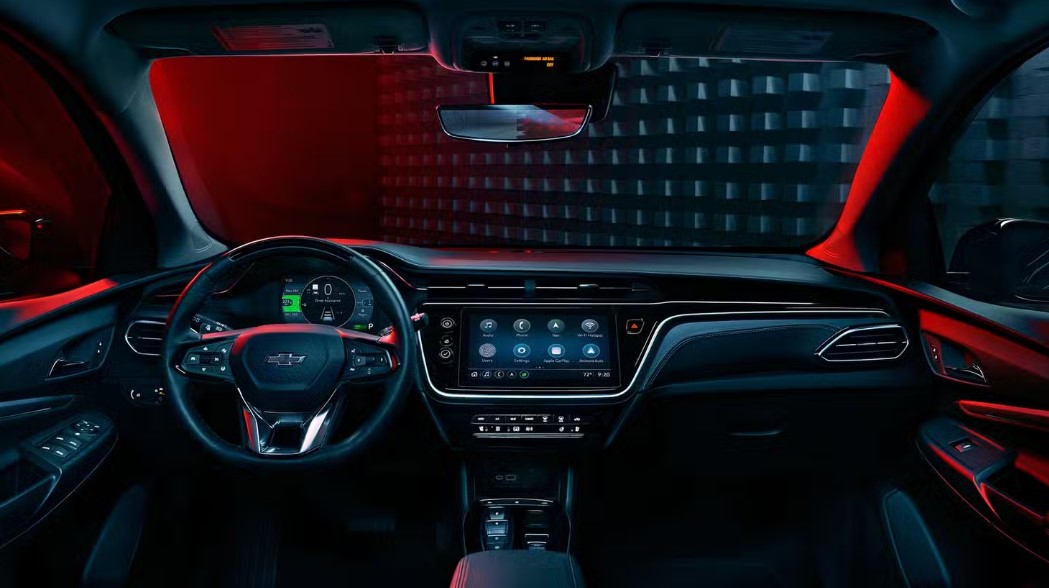
- Interior Tech: Dual screens (11-inch driver display + 11.3-inch infotainment with Google built-in); No CarPlay/Android Auto, but apps like Spotify integrate seamlessly.
- Features: Over 20 standard safety aids; Optional Super Cruise (late availability); Panoramic sunroof, heated/ventilated seats.
- Design: Refreshed fascia, LED lights, 17-inch wheels; RS adds black accents and unique colors like Atomic Yellow.
Example for enthusiasts: The LFP battery allows daily 100% charges without degradation—great for maximizing home solar setups.
Side-by-Side Comparison
| Aspect | 2023 Bolt EV (Previous) | 2023 Bolt EUV (Previous) | 2026 Bolt (New) |
|---|---|---|---|
| Starting Price | ~$26,500 | ~$28,000 | ~$28,995 (LT) |
| Length/Wheelbase | 163.2 in / 102.4 in | 169.5 in / 105.3 in | 169.6 in / 105.3 in |
| Rear Legroom | 36.0 in | 39.1 in | 39.1 in |
| Cargo (Behind/Folded) | 16.6 / 57 cu ft | 16.3 / 56.9 cu ft | 16.2 / 56.3 cu ft |
| Range (EPA est.) | 259 miles | 247 miles | 255 miles |
| Power/Torque | 200 hp / 266 lb-ft | 200 hp / 266 lb-ft | 210 hp / 169 lb-ft |
| Max DC Charging | 55 kW | 55 kW | 150+ kW |
| Unique Features | Compact agility | Super Cruise option | NACS port, Google integration, faster charging |
The 2026 model splits the difference: EUV-like space with better-than-EV range and modern tech.
In summary, the previous Bolt EV excelled in efficiency and affordability for city dwellers, while the EUV won for versatility. The 2026 Bolt evolves the EUV formula into a single, more capable EV—faster charging, updated styling, and under-$30K pricing make it a standout in the growing affordable EV segment. Whether upgrading from an older Bolt or entering the EV world, test drive one to feel the instant torque and silent ride.
Summary of Key Points
| Key Point | Details |
|---|---|
| Lineup for 2026 | Single model (EUV-sized, called Bolt/Bolt EV); No separate smaller EV. |
| Size & Space | Matches old EUV: More rear room than old EV; Great for families. |
| Range & Efficiency | 255 miles; Bridges old EV (259 mi) and EUV (247 mi). |
| Charging Speed | 150+ kW DC (huge upgrade); NACS standard for broader network. |
| Performance | 210 hp; Peppy with one-pedal driving. |
| Tech & Safety | Dual large screens, 20+ safety features; Super Cruise optional. |
| Pricing & Availability | Starts ~$29K; Early 2026 launch; Potential tax credits. |
| Best For | Budget-conscious buyers wanting practicality without compromise. |