2026 Chevy Bolt Lineup Explained – EV and EUV Compared – The electric vehicle (EV) market is buzzing with affordable, efficient options, and Chevrolet is keeping the momentum going with the refreshed 2026 Chevy Bolt lineup. After a brief hiatus, the Bolt EV and Bolt EUV are back with updated batteries, faster charging, and modern styling that make them stand out in the compact EV segment. Whether you’re a city commuter seeking nimble handling or a family needing extra cargo space, this duo offers practical electric driving without breaking the bank.
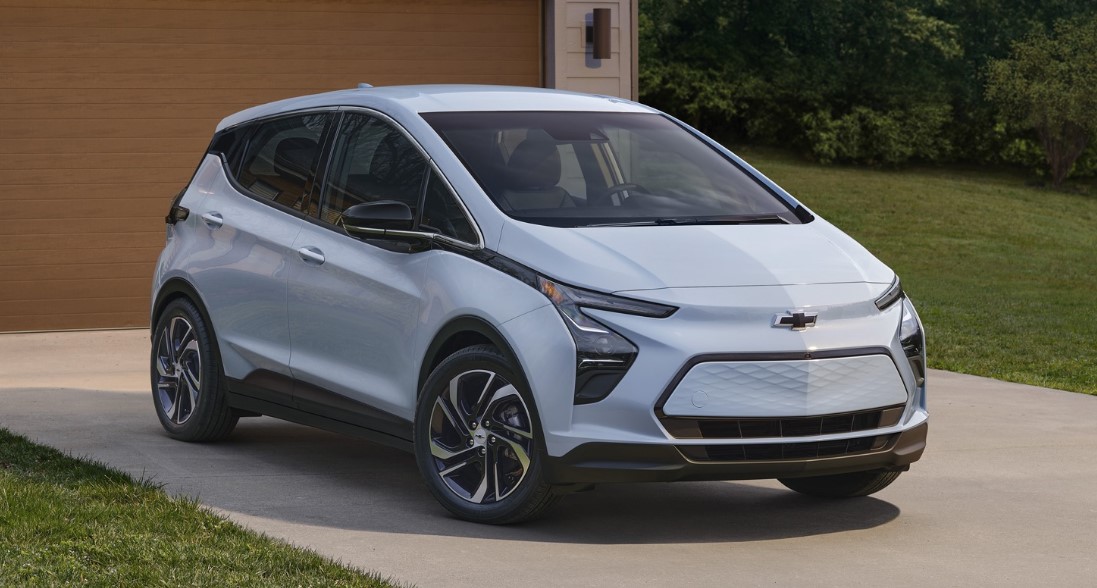
In this guide, we’ll break down the 2026 Bolt EV and Bolt EUV, comparing their specs, features, and real-world appeal. If you’re torn between the sporty hatchback vibes of the EV or the versatile crossover utility of the EUV, stick around—we’ve got side-by-side insights to help you decide.
Overview of the 2026 Chevy Bolt Lineup
Chevrolet’s Bolt series has long been a gateway to EV ownership, praised for its impressive range and low entry price. For 2026, the lineup returns stronger, built on the same Ultium battery platform as GM’s bigger EVs but scaled down for everyday affordability.
What’s New for 2026
The 2026 refresh isn’t a full redesign but packs meaningful upgrades that address past pain points like charging speed. Here’s a quick rundown of the highlights:
- Faster Charging: Now supports 150kW DC fast charging, zipping from 10% to 80% in just 26 minutes—over 2.5 times quicker than the previous generation.
- NACS Port Standard: Seamless access to Tesla’s Supercharger network and over 250,000 public chargers in the U.S. and Canada.
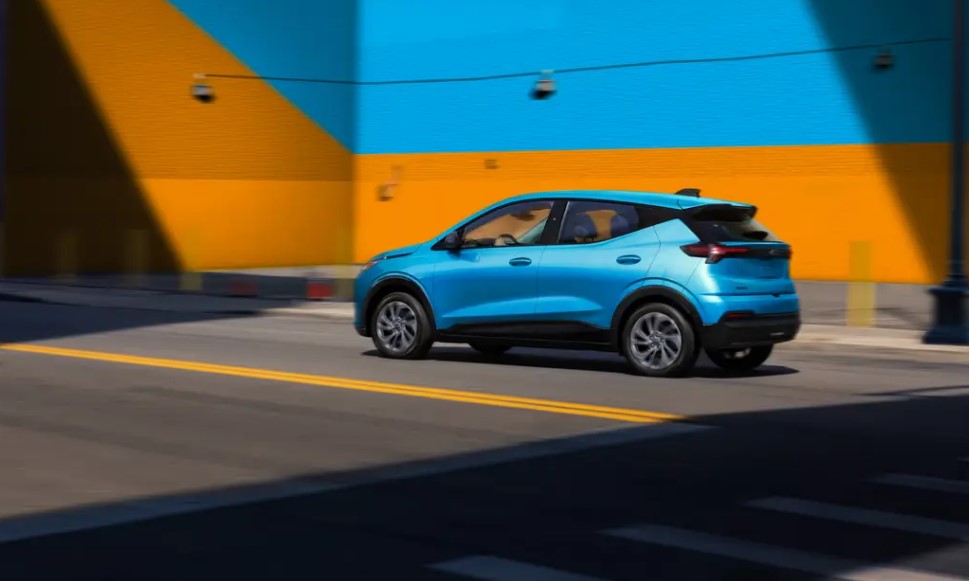
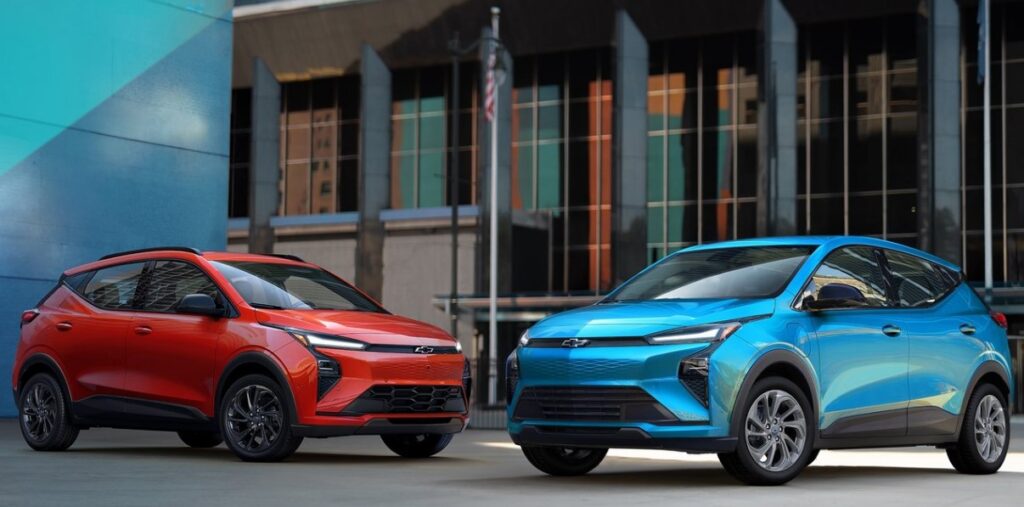
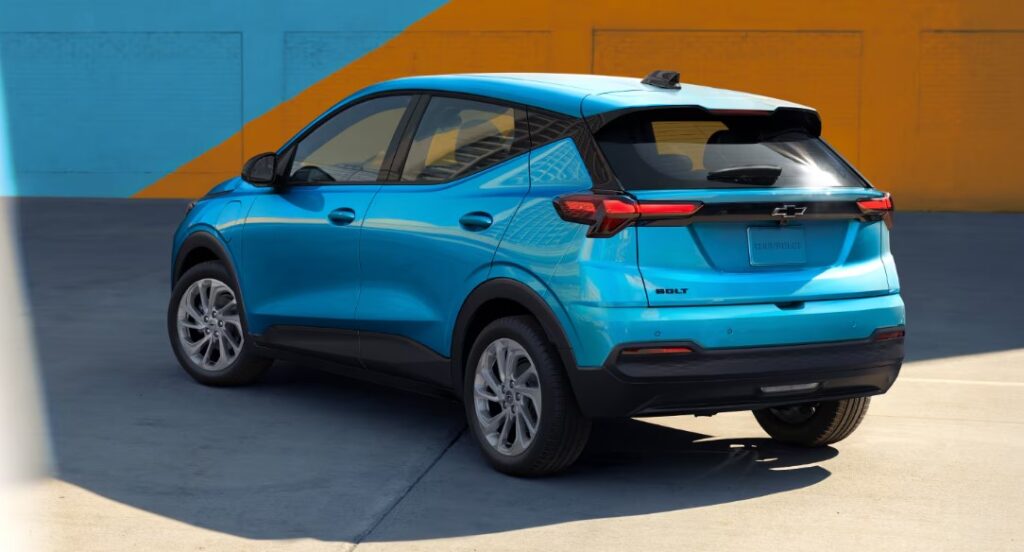
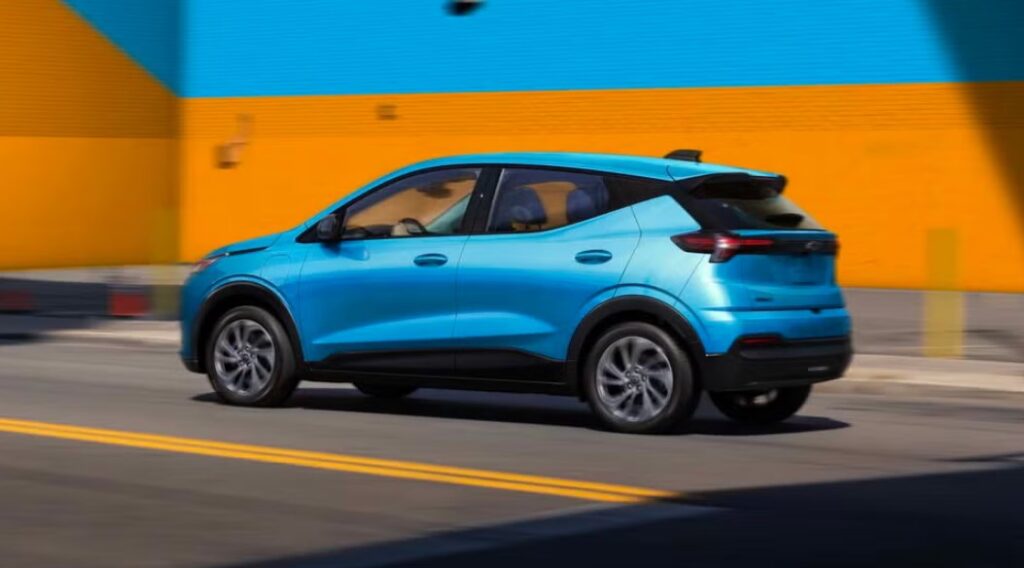
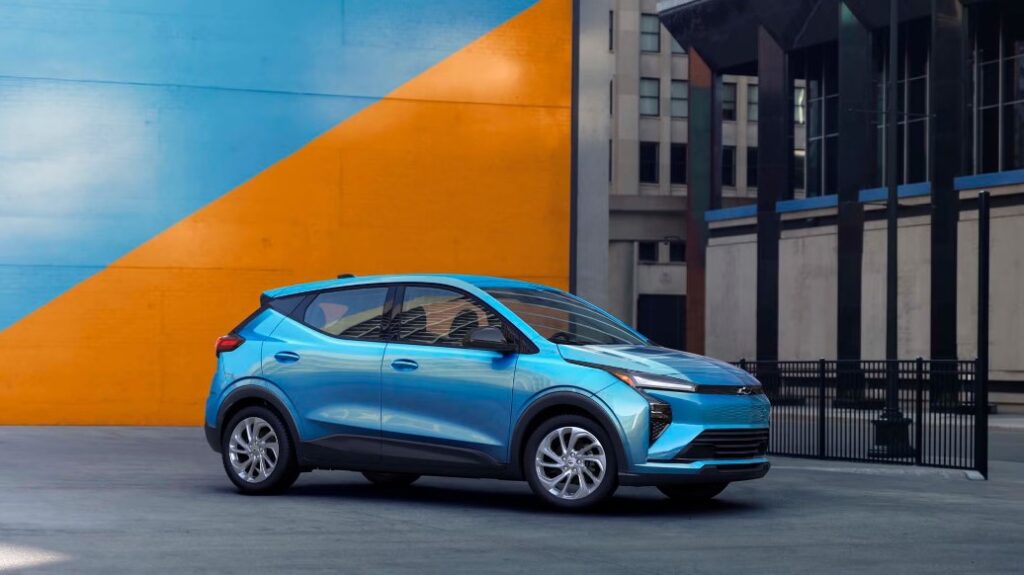
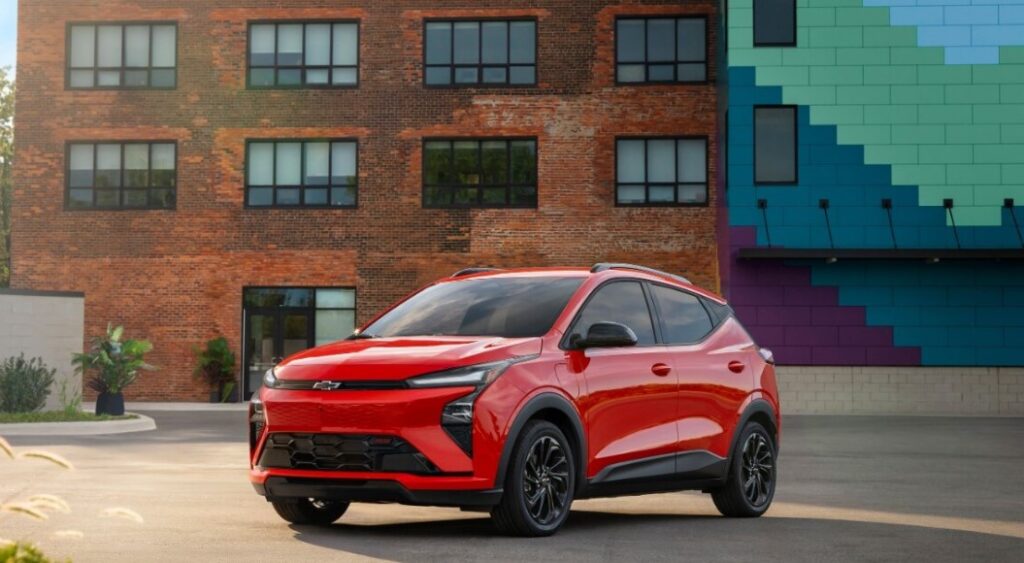
- Styling Refresh: New front and rear fascias, updated LED lights, and 17-inch aluminum wheels give it a sharper, more contemporary look.
- New Color Options: Fresh hues like Habanero Orange, Relic Green Metallic (LT only), Atomic Yellow (RS only), and Marina Blue Metallic add personality.
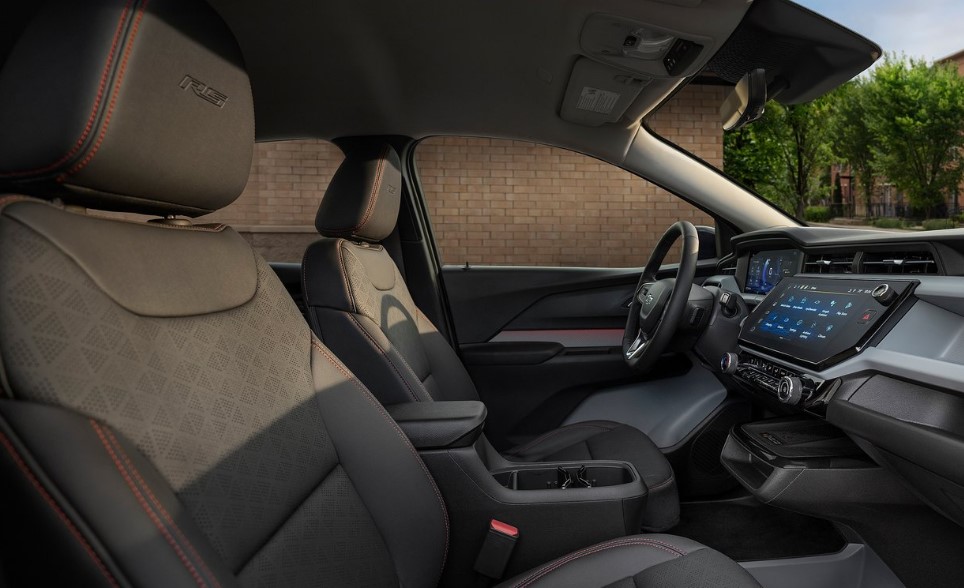
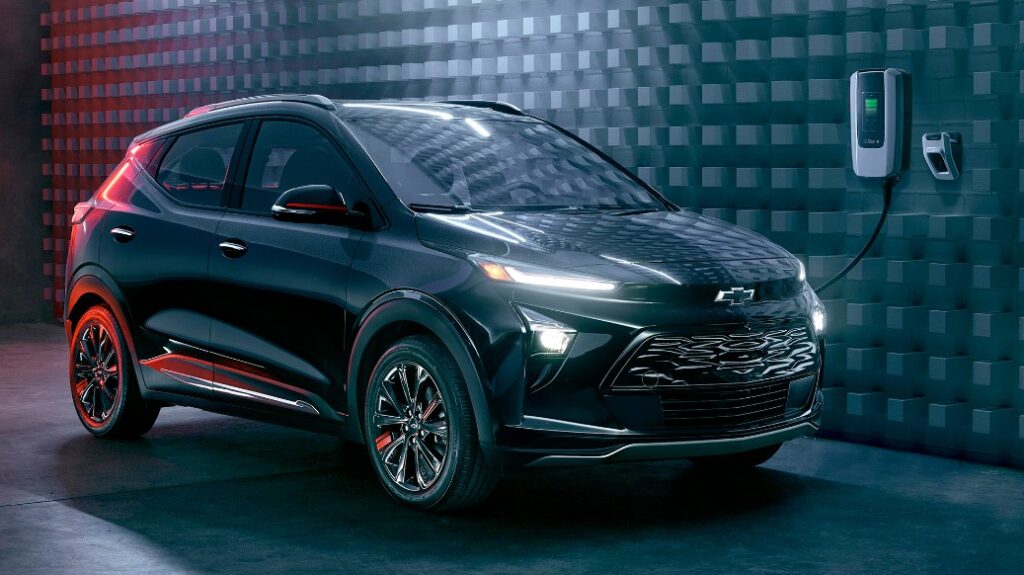
- RS Trim Debut: A sportier variant with gloss black accents, unique badging, and red-stitched seats for enthusiasts craving a bit more edge.
These changes make the Bolt lineup feel current, blending Chevy’s reliable engineering with EV trends like broader charging compatibility.

Bolt EV vs. Bolt EUV: Key Differences
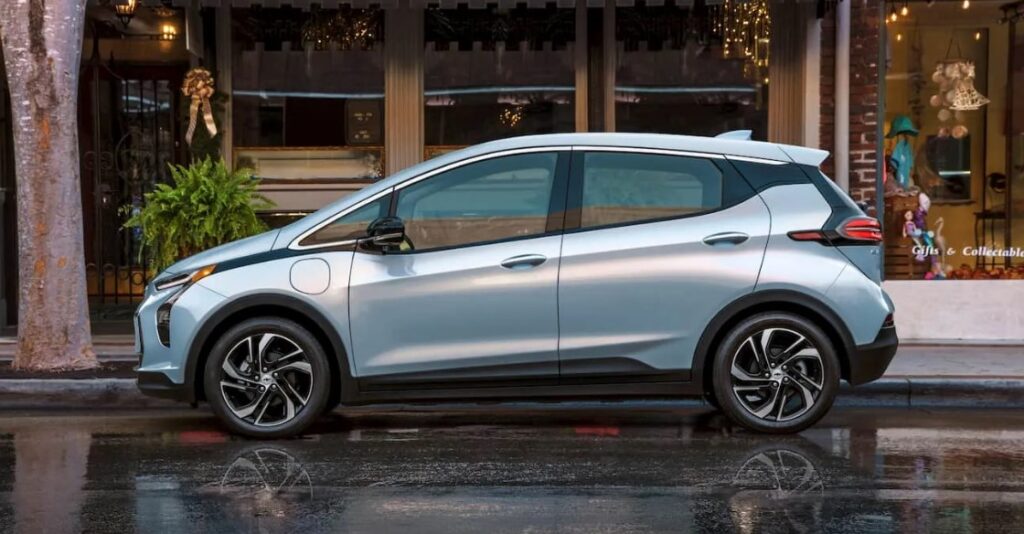
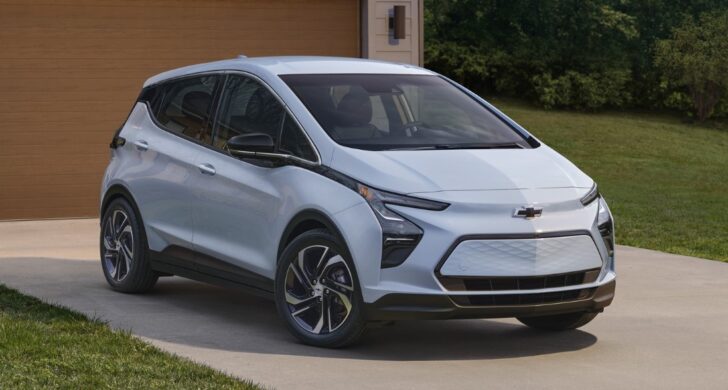
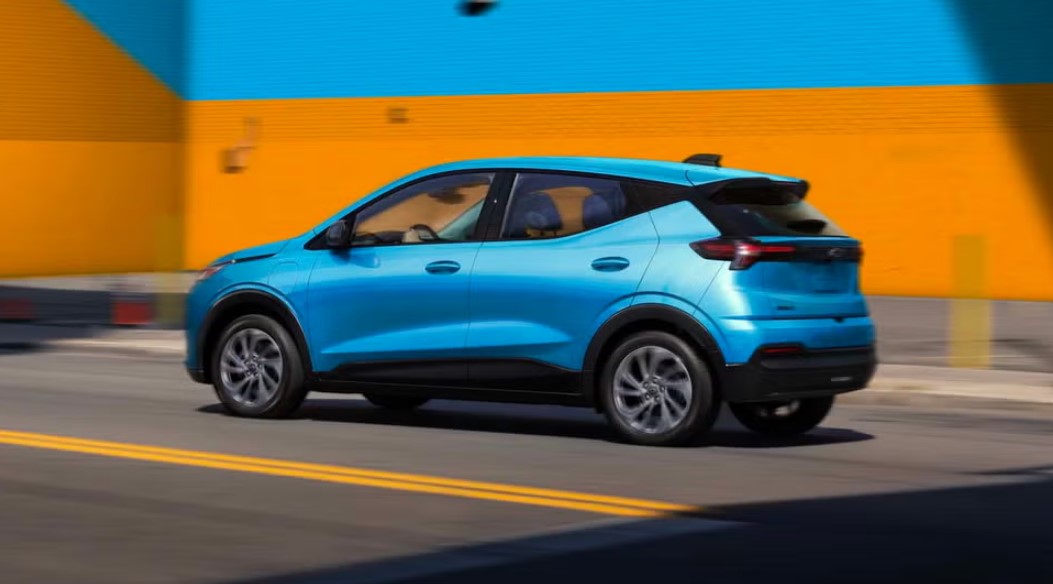
At first glance, the Bolt EV and Bolt EUV look like siblings, but their body styles set them apart: the EV is a compact hatchback, while the EUV is a subcompact crossover with added height and versatility. Both share the same powertrain and core tech, but the EUV edges out in space and features.
To make it easy, here’s a comparison table of their core specs:
| Feature | Bolt EV LT | Bolt EUV LT | Bolt RS (Both Models) |
|---|---|---|---|
| Starting Price | $28,595 | ~$30,000 (est.) | $31,600 |
| Body Style | Compact Hatchback | Subcompact Crossover | Sporty Variant (EV or EUV) |
| EPA Range | 255 miles | 255 miles | 255 miles |
| Cargo Space | 36.5 cu ft (rear seats up) | 47.2 cu ft (rear seats up) | Same as base |
| Passenger Volume | 94 cu ft | 98 cu ft | Same as base |
| Dimensions (L x W x H) | 163.2″ x 69.5″ x 63.6″ | 169.7″ x 69.5″ x 63.6″ | Same as base |
| Towing Capacity | Not rated | Up to 1,000 lbs | Up to 1,000 lbs (EUV only) |
Pro Tip: If you’re shopping for urban adventures, the Bolt EV’s shorter length shines in tight parking spots—think parallel parking in downtown traffic. For weekend getaways with gear, the EUV’s extra 10.7 cubic feet of cargo (behind the rear seats) means you can toss in bikes or beach chairs without folding seats.
The RS trim bridges the gap, available on both, adding flair like blacked-out wheels and a unique grille. It’s ideal for car enthusiasts who want the Bolt’s efficiency with a bolder attitude.
Performance and Range: Punchy and Practical
Don’t let the compact size fool you—the 2026 Bolt delivers peppy performance from its front-wheel-drive electric motor. Both models pack 210 horsepower and 243 lb-ft of torque, accelerating from 0-60 mph in about 6.5 seconds. That’s quicker than many gas-powered compacts, with instant torque for effortless merging.
Range is a standout at 255 miles per full charge (EPA-estimated), competitive in the sub-$30K segment. Real-world factors like highway speeds or cold weather can dip it to 200-220 miles, but Chevy’s tips help maximize it:
- Use One-Pedal Driving to regenerate energy during stops, extending range by up to 10%.
- Pre-condition the cabin via the app while plugged in to avoid draining the battery on the go.
- Opt for eco-mode for relaxed highway cruising, saving 5-10% on longer trips.
Example in Action: Imagine a daily 40-mile commute—charge overnight at home (Level 2 takes ~7 hours), and you’ll have plenty left for errands. For road trips, the faster DC charging means fewer stops, turning a 300-mile drive into a breeze.
Charging Capabilities: Simpler and Speedier
Gone are the days of sluggish Bolt charging. The 2026 models’ new battery chemistry and NACS port make refueling a non-issue. Level 1 home charging (120V) adds 4 miles per hour, while a Level 2 wallbox (240V) nets 25-30 miles hourly.
The real game-changer is public DC fast charging: Hit a 150kW station, and you’re 80% ready in under 30 minutes. This opens up Tesla Superchargers, which are often the most reliable on interstates.
Practical Insight: Plan routes with the myChevrolet app’s built-in trip planner—it factors in charger locations, elevation, and weather for accurate ETAs. New owners, start with a home Level 2 setup (under $500) for 90% of your needs.
Interior and Technology: Modern Comfort Meets Connectivity
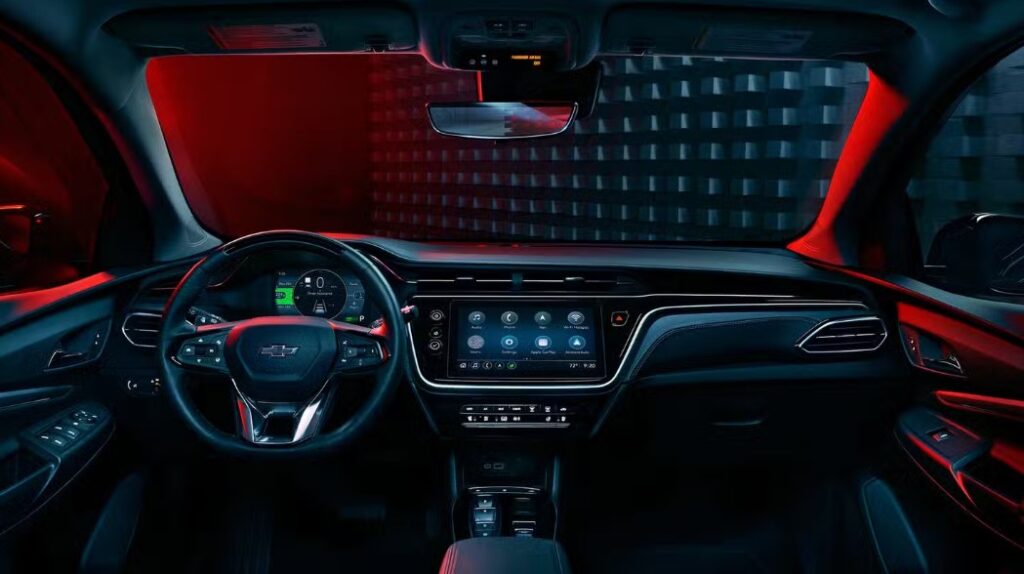
Step inside the 2026 Bolt, and you’ll find a redesigned cabin that’s a leap forward—spacious, tech-forward, and built with sustainable materials like Evotex (a soft, stain-resistant faux leather).
Both models feature:
- An 11.3-inch touchscreen running Google Built-In for seamless navigation, voice commands, and apps like Spotify.
- A matching 11-inch digital driver display for customizable gauges and alerts.
- Wireless Apple CarPlay, Android Auto, and a phone charging pad.
The EUV adds subtle luxuries like available roof rails for bike racks. Ambient lighting (multi-color on RS) sets the mood, while the center console swallows tumblers and gadgets.
Engaging Example: Streaming podcasts via Google Assistant while the system auto-adjusts climate based on your route—it’s like having a co-pilot that anticipates your needs.
Safety Features: Confidence on Every Drive
Chevy prioritizes protection with over 20 standard driver aids, earning top marks in past crash tests. Highlights include:
- Automatic Emergency Braking with pedestrian detection.
- Lane Keep Assist and blind-spot monitoring.
- HD Surround Vision camera (available), perfect for tight maneuvers.
The EUV stands out with optional Super Cruise hands-free highway driving, using precise lane mapping for stress-free long hauls. Both get an 8-year/100,000-mile battery warranty, plus Chevy’s Safety Assist suite.
Tip for Enthusiasts: Customize alerts in the infotainment menu to match your driving style—less nagging for aggressive merges, more warnings in fog.
Pricing and Trims: Value-Packed Options
Affordability is the Bolt’s superpower. The Bolt EV LT starts at $28,595, while the EUV LT edges up to around $30,000. Add $3,000 for the RS trim on either.
Federal EV tax credits (up to $7,500) could drop effective pricing below $25K—check eligibility via the Chevy site. Leasing starts low too, often under $300/month.
Compare trims like this:
- LT: Base efficiency with essentials—great for budget buyers.
- RS: Sporty upgrades for fun without excess cost.
Leasing? Factor in unlimited mileage options for commuters.
Wrapping Up: Why the 2026 Bolt Lineup Delivers
The 2026 Chevy Bolt EV and EUV prove that electric driving can be accessible, fun, and family-friendly. With blistering-fast charging, generous range, and thoughtful updates, they’re poised to reclaim their spot as EV bargains. Choose the EV for zippy solo drives or the EUV for versatile hauling—the decision boils down to your lifestyle.
For a quick reference, here’s a summary table of key points:
| Aspect | Bolt EV Highlights | Bolt EUV Highlights | Shared Wins |
|---|---|---|---|
| Best For | Urban commuters, easy parking | Families, cargo haulers | Affordable EV entry |
| Range/Charging | 255 miles; 26-min fast charge | 255 miles; 26-min fast charge | NACS compatibility, 150kW speed |
| Performance | 210 hp, 0-60 in 6.5s | 210 hp, 0-60 in 6.5s; 1,000-lb towing | Instant torque, FWD efficiency |
| Tech/Safety | 11.3″ screen, 20+ aids | Same + Super Cruise option | Google Built-In, crash-test proven |
| Price (Starting) | $28,595 | ~$30,000 | Tax credit eligible, RS at $31,600 |
Ready to go electric? Test drive one soon—these Bolts are charging toward dealerships in early 2026.
Gallery of 2026 Chevy Bolt Lineup Explained – EV and EUV Compared