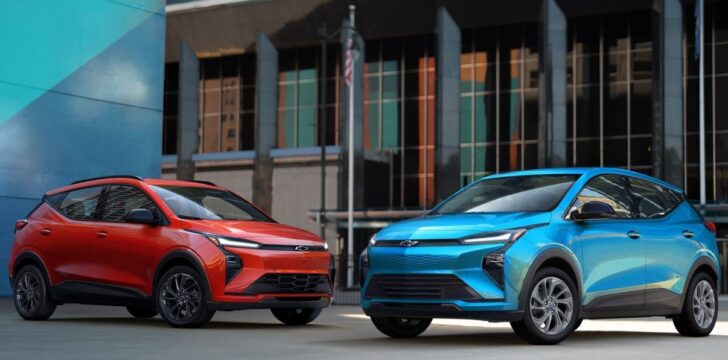
2026 Chevy Bolt Review – Price, Range, and Performance – The electric vehicle (EV) market is evolving faster than ever, and the 2026 Chevy Bolt EV marks a triumphant return for one of America’s most beloved affordable EVs. After a brief hiatus, Chevrolet is reintroducing the Bolt with a fresh design, enhanced technology, and a price tag that keeps it accessible for everyday drivers. Whether you’re a budget-conscious commuter tired of gas station stops or an enthusiast eyeing efficient urban mobility, this compact hatchback promises to deliver value without compromise. In this review, we’ll dive into the Chevy Bolt price, impressive range, punchy performance, and more, helping you decide if it’s the right electric ride for your garage.
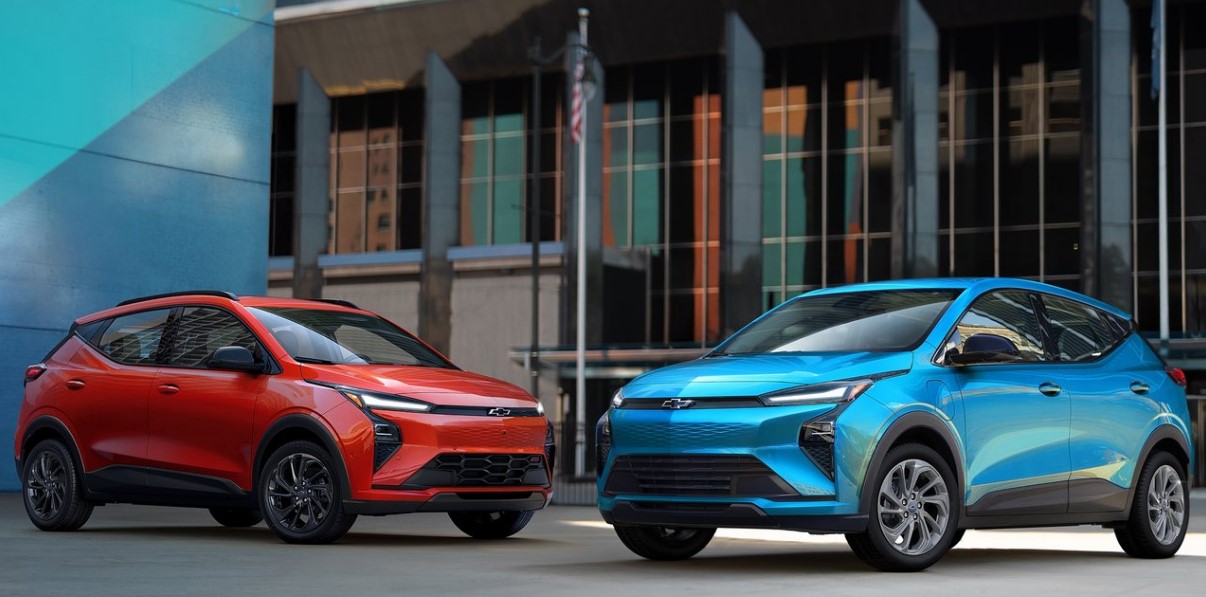
Overview of the 2026 Chevy Bolt EV
The 2026 Chevy Bolt EV builds on the original’s legacy as an entry-level EV icon, but with significant upgrades that address past pain points like charging speed and interior refinement. Available in two trims—LT and RS—this second-generation model arrives early in the model year, blending compact sizing with modern EV smarts. It’s powered by a new lithium-iron-phosphate (LFP) battery pack, which offers better longevity and faster charging, while the standard NACS port unlocks access to Tesla’s Supercharger network.
What makes the Bolt stand out in 2026? It’s not just the sub-$30,000 starting price—it’s the real-world usability. Imagine zipping through city traffic with one-pedal driving, preconditioning your cabin via app before leaving work, or hauling weekend gear in its flexible cargo space. For families or solo adventurers, this Bolt feels like a practical upgrade from gas-powered compacts like the Honda Civic, but with zero tailpipe emissions.
Pricing and Trims: Affordable Entry into EV Ownership
One of the biggest draws of the 2026 Chevy Bolt is its wallet-friendly pricing, positioning it as a gateway to electric driving amid rising costs elsewhere. Chevrolet keeps things simple with just two trims, making it easy to choose without overwhelming options.
- LT Trim: Starts at $28,595 (excluding destination fees). This base model includes essentials like cloth seats, a 11.3-inch touchscreen, and wireless Apple CarPlay/Android Auto. It’s ideal for first-time EV buyers seeking maximum value.
- RS Trim: Priced from $31,600, it adds sporty flair with blacked-out wheels, Evotex synthetic leather seats with red stitching, and multi-color ambient lighting. The “as shown” preproduction RS rings in at around $32,795.
Tip for buyers: Factor in the federal EV tax credit—up to $7,500 for qualifying models—which could drop the effective LT price below $22,000. Always check eligibility based on your income and the vehicle’s final specs. Compared to rivals like the Nissan Leaf (starting at $28,140) or Hyundai Kona Electric ($32,675), the Bolt undercuts on price while matching or exceeding features.
| Trim | Starting MSRP | Key Upgrades Over Base |
|---|---|---|
| LT | $28,595 | Standard cloth seats, 17″ aluminum wheels, basic safety suite |
| RS | $31,600 | Evotex seats, black wheels, ambient lighting, RS badging |
Range and Battery Life: Going the Distance on a Single Charge
Range anxiety? Not with the 2026 Chevy Bolt EV, which boasts a GM-estimated 255 miles per charge—enough for most daily commutes and weekend errands without a pit stop. This marks a solid improvement over the first-gen’s 259 miles in ideal conditions, thanks to efficiency tweaks and the durable LFP battery chemistry.
In real-world testing, expect 200-240 miles in mixed driving, dipping to 180-220 in cold weather (a common EV challenge). The battery’s 8-year/100,000-mile warranty adds peace of mind, covering degradation to ensure at least 70% capacity retention.
Practical insights:
- City driving: Easily hits 3-4 miles per kWh, stretching your range further in stop-and-go traffic.
- Highway hauls: Use regenerative braking to recapture energy on downhills, potentially adding 10-15 miles.
- Pro tip: Charge to 100% regularly with the new battery tech for optimal speeds, and enable cabin preconditioning while plugged in to preserve range.
For comparison, it’s on par with the Kia Niro EV’s 253 miles but at a lower cost, making it a smart pick for urbanites who rarely venture beyond 150 miles daily.
Performance and Driving Experience: Nimble and Responsive
Don’t let the affordable price fool you—the 2026 Chevy Bolt packs 210 horsepower from its front-mounted electric motor, delivering instant torque for lively acceleration. Zero to 60 mph clocks in around 6.5 seconds, quick enough to merge onto highways with confidence or pass slower traffic on backroads.
The ride is refined, with a suspension tuned for comfort over the original’s occasionally bumpy feel. One-pedal driving mode lets you accelerate and brake with just the pedal, reducing wear on components and enhancing efficiency—perfect for teaching new drivers EV basics.
Enthusiast highlights:
- Handling: Compact dimensions (under 169 inches long) make it a parking lot wizard, with a tight turning radius for easy U-turns.
- Quiet cabin: No engine noise means road imperfections are the only soundtrack, amplified by improved sound insulation.
- RS edge: Sportier tuning adds a bit more responsiveness, though it’s still more “fun commuter” than track star.
Example: On a 50-mile test loop blending suburbs and interstates, the Bolt felt peppier than a Toyota Corolla Hybrid, with seamless power delivery that encourages spirited driving without guzzling energy.
Charging Capabilities: Faster and More Convenient
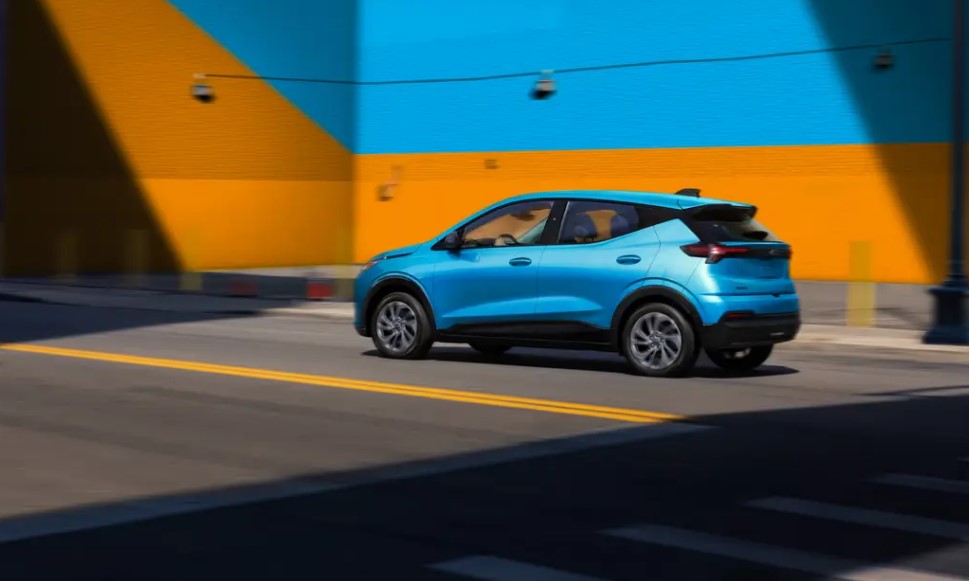
Gone are the days of sluggish charging—the 2026 Bolt EV supports up to 150 kW DC fast charging, hitting 10% to 80% in just 26 minutes. That’s over 2.5 times quicker than the outgoing model, thanks to the LFP pack and optimized thermal management.
The standard NACS (North American Charging Standard) port is a game-changer, granting access to over 250,000 chargers, including Tesla Superchargers. At home, a Level 2 charger adds about 25 miles per hour.
Charging tips:
- Public stops: Plan routes via the myChevrolet app for real-time station availability.
- Home setup: Invest in a 240V wallbox for overnight top-ups—under $500 and often rebate-eligible.
- Efficiency hack: Precondition the battery to 77°F for peak fast-charging speeds.
This setup makes long trips feasible, like a 200-mile road trip with two 20-minute stops.
Interior and Technology Features: Modern and User-Friendly
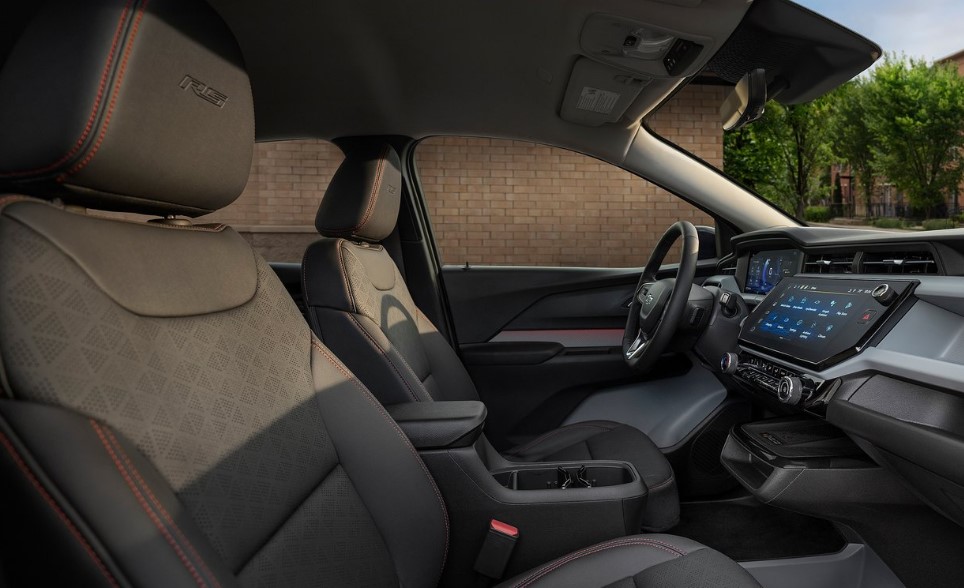
Step inside the 2026 Chevy Bolt, and you’ll find a redesigned cabin that’s spacious for its class, with 16.6 cubic feet of cargo expanding to 57 via fold-flat seats. The 11.3-inch touchscreen anchors a Google-built infotainment system, complete with an 11-inch digital gauge cluster for at-a-glance stats like energy flow.
Wireless charging, USB-C ports, and a sleek center console elevate daily usability. The RS trim’s ambient lighting adds a premium touch, while both offer durable, easy-to-clean materials.
Standout tech:
- Connectivity: Built-in Google Assistant for voice commands like “Navigate to nearest charger.”
- Storage smarts: Deep door pockets and a frunk (front trunk) for cables and snacks.
- Comfort note: Seats are supportive for hours, but taller drivers (over 6’2″) might brush the headliner.
It’s a step up from the first Bolt’s dated dash, feeling more like a 2020s EV than a budget holdover.
Safety and Driver Assistance: Peace of Mind Standard
Chevrolet equips every 2026 Bolt EV with over 20 standard safety features, including automatic emergency braking, lane-keeping assist, and forward collision alert. Optional Super Cruise hands-free driving (late availability) promises highway stress relief.
In crash tests, expect top marks from NHTSA and IIHS, building on the original’s strong scores. Driver tip: Use the HD Surround Vision camera for tight parking—it’s a lifesaver in crowded lots.
Pros and Cons: Is the 2026 Bolt Right for You?
Pros:
- Unbeatable price-to-range ratio.
- Quick charging and broad network access.
- Fun, efficient driving dynamics.
Cons:
- No all-wheel drive option for snowy regions.
- Base interior materials feel basic compared to pricier EVs.
- Cargo space lags behind SUVs like the Bolt EUV (if reintroduced).
For most, the pros outweigh the cons, especially at this price point.
Wrapping Up: Why the 2026 Chevy Bolt Shines
The 2026 Chevy Bolt EV isn’t just back—it’s better, blending affordability, practicality, and EV excitement into a package that’s hard to beat. With its competitive range, sprightly performance, and sub-$30K price, it’s poised to win over a new wave of drivers ditching gas guzzlers. If you’re ready to electrify your commute without breaking the bank, the Bolt deserves a test drive when it hits lots early next year.
| Key Specs | Details |
|---|---|
| Starting Price | $28,595 (LT trim) |
| EPA-Estimated Range | 255 miles |
| Horsepower | 210 hp |
| 0-60 mph | ~6.5 seconds |
| DC Fast Charging (10-80%) | 26 minutes |
| Battery Warranty | 8 years/100,000 miles |
| Cargo Space | 16.6–57 cu ft |
| Safety Features | 20+ standard (e.g., auto braking, lane assist) |