2026 Chevy Colorado – Gas, Diesel, and Hybrid Comparison – The midsize pickup truck segment is hotter than ever, and the 2026 Chevy Colorado is poised to dominate with its blend of rugged capability, modern tech, and versatile performance. As Chevrolet refines its third-generation Colorado for the 2026 model year, buyers are buzzing about the powertrain choices. While the standard gas engine delivers punchy acceleration and towing prowess, rumors and reports suggest a diesel option is making a comeback for torque-hungry haulers, and a hybrid variant could bridge the gap for efficiency-focused adventurers. This comparison breaks down each option, helping you decide which 2026 Chevy Colorado fits your lifestyle—whether you’re towing trailers on weekends or commuting through city traffic.
Why does this matter? With rising fuel costs and stricter emissions standards, choosing the right powertrain isn’t just about horsepower; it’s about balancing performance, economy, and long-term ownership costs. Let’s dive into the details.
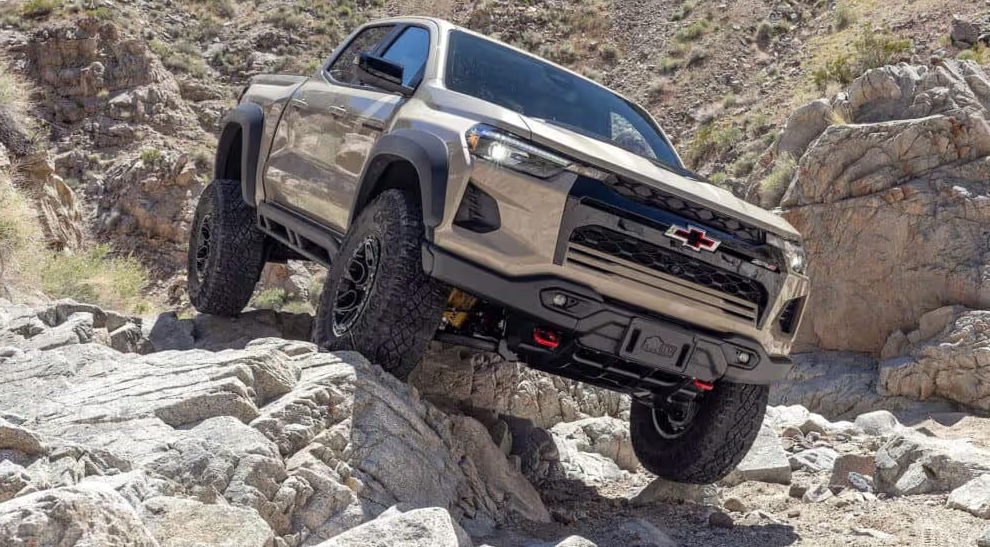
Powertrain Options Overview
The 2026 Chevy Colorado sticks to its crew cab configuration with a 5-foot bed across all trims (WT, LT, Trail Boss, Z71, and ZR2), but the engine lineup offers flexibility. All pair with an 8-speed automatic transmission and available rear- or four-wheel drive. Here’s a quick snapshot before we dig deeper:
| Powertrain | Engine | Horsepower | Torque (lb-ft) | Est. MPG (City/Hwy, 4×4) | Max Towing |
|---|---|---|---|---|---|
| Gas | 2.7L TurboMax I4 | 310 @ 5,600 rpm | 430 @ 3,000 rpm | 17/21 | 7,700 lbs |
| Diesel | 2.8L Duramax I4 | 181 | 369 | 20/30 | 7,700 lbs |
| Hybrid | Rumored 2.7L Turbo + Electric | ~350 (est.) | ~500 (est.) | 25/28 (est.) | 7,000 lbs (est.) |
Note: Diesel and hybrid specs are based on previous-generation diesel data and industry rumors for 2026. Official EPA figures for hybrid are pending confirmation.
The Standard Gas Engine: Power and Versatility
At the heart of every 2026 Chevy Colorado is the 2.7L TurboMax inline-four gas engine, a turbocharged powerhouse that’s become a benchmark for midsize trucks. Producing 310 horsepower and a class-leading 430 lb-ft of torque, this engine punches above its weight, making it ideal for daily driving, light off-roading, or heavy-duty tasks.
- Performance Highlights: Expect 0-60 mph in about 6.8 seconds in the ZR2 trim—quick enough to merge onto highways with confidence. The low-end torque surge feels diesel-like without the diesel clatter, perfect for Trail Boss owners tackling muddy trails.
- Fuel Economy Tip: Real-world testing shows 18-20 mpg combined if you avoid aggressive acceleration. Pair it with the available Advanced Trailering Package for seamless hitch guidance via the 11.3-inch touchscreen.
- Practical Insight: For families, the gas engine’s smooth revs make long road trips less fatiguing. Example: Hauling a weekend camper? It tows up to 7,700 pounds effortlessly, outpacing rivals like the Ford Ranger.
If you’re a general reader dipping into trucks for the first time, this gas option is the “Goldilocks” choice—not too thirsty, not too tame.
The Returning Diesel Option: Torque for the Long Haul
Good news for diesel devotees: Reports indicate the 2.8L Duramax turbo-diesel is returning for 2026, bringing back the fuel-sipping muscle that defined earlier Colorados. With 181 horsepower and 369 lb-ft of torque, it prioritizes low-rpm grunt over peak power, making it a towing champ.
- Performance Edge: The diesel’s torque peaks early (at 2,000 rpm), ideal for sustained pulls. It’s quieter than older diesels, thanks to refined injectors, but expect a subtle rumble under load.
- Fuel Economy Advantage: EPA estimates hover at 20 mpg city/30 highway—a 40% improvement over gas for highway cruisers. Pro tip: Use diesel exhaust fluid (DEF) refills every 5,000 miles to maintain efficiency; it’s cheap and easy at any truck stop.
- Practical Insight: Boat owners love it for its range—up to 500 miles per tank. Compared to gas, it shines on cross-country jobsites, but startup costs are higher due to diesel premium (about $0.50/gallon more).
Enthusiasts, rejoice: This option revives the Colorado’s reputation as a workhorse without sacrificing ride comfort.
The Anticipated Hybrid Variant: Efficiency Meets Adventure
While not yet officially announced, whispers from GM insiders point to a hybrid powertrain debuting in late 2026, potentially blending the 2.7L TurboMax with an electric motor for electrified efficiency. Estimated at 350 combined horsepower and 500 lb-ft of torque, it could offer plug-in capability for short EV-only drives.
- Performance Potential: Seamless torque fill from the electric assist would make off-road crawls in Z71 trim feel effortless, with instant response for urban starts.
- Fuel Economy Boost: Targeting 25 mpg city/28 highway, it edges out gas by 20% while cutting emissions. Tip: Charge at home via a Level 2 setup for 30-40 miles of electric range, slashing fuel bills for commuters.
- Practical Insight: Imagine silent morning coffee runs in EV mode, then hybrid boost for mountain passes. Drawback? Added weight might trim towing to 7,000 pounds, but regenerative braking recoups energy on descents.
For eco-conscious enthusiasts, this hybrid could steal the show, especially against the Toyota Tacoma Hybrid.
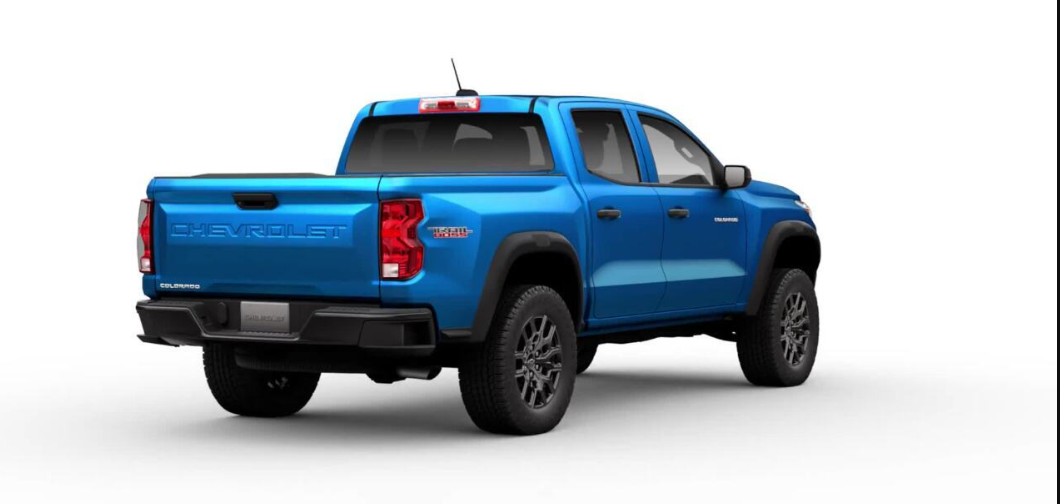
Performance and Capability Breakdown
Beyond engines, the 2026 Chevy Colorado excels in real-world use. All powertrains handle up to 7,700 pounds towing (diesel and gas tie), but here’s how they stack up:
- Acceleration Example: Gas leads in sprints (6.8 sec 0-60), diesel in steady pulls, hybrid in balanced starts.
- Off-Road Prowess: ZR2 trim’s Multimatic DSSV shocks pair best with diesel’s low-end torque for rock crawling.
- Daily Driving Tip: Use the myChevrolet app for remote preconditioning—gas warms up fast, diesel needs idling, hybrid sips battery.
Numbered steps for towing setup:
- Select the right hitch (Class IV for max capacity).
- Activate trailer sway control via the dashboard.
- Monitor via the rear camera’s hitch view.
- Post-trip: Flush diesel lines if unused for weeks to prevent gelling.
Technology and Safety Across Powertrains
Chevy Safety Assist is standard on all, including automatic emergency braking and lane-keeping. The gas model shines with Google Built-In for seamless navigation, while diesel/hybrid rumors include enhanced regen displays. Bold feature: The 11-inch head-up display projects speed and torque in real-time—game-changer for trailering.
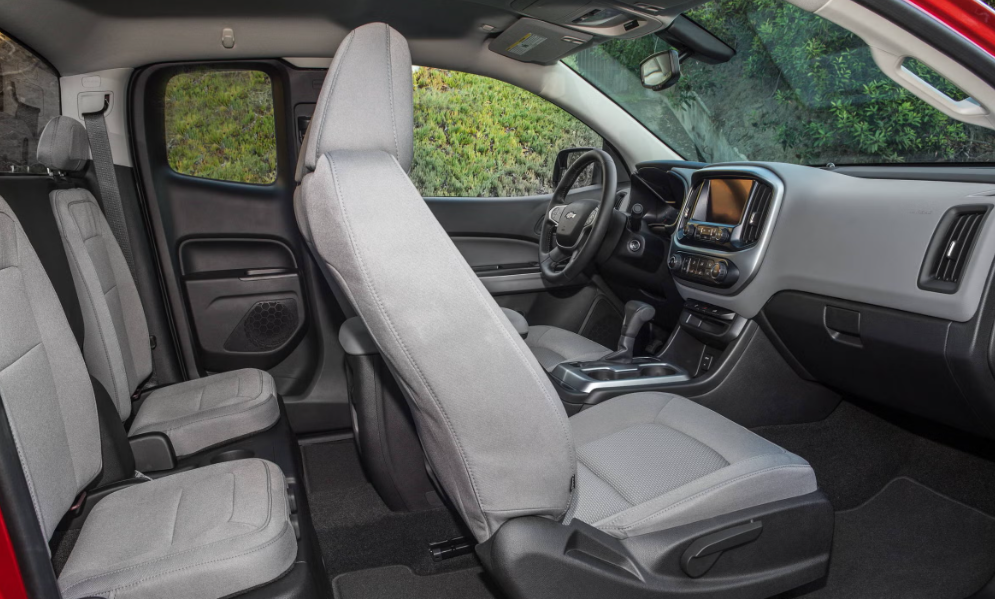
Summary: Choosing Your 2026 Chevy Colorado Powertrain
The 2026 Chevy Colorado evolves the midsize truck formula, with the gas engine as the versatile all-rounder, diesel for diesel loyalists craving range, and hybrid promising future-proof efficiency. Starting at $34,495 for gas WT trim, it’s competitively priced against the Ranger and Tacoma.
| Key Point | Gas | Diesel | Hybrid (Est.) |
|---|---|---|---|
| Best For | Daily versatility, quick acceleration | Long-haul towing, fuel range | Eco-commutes, balanced efficiency |
| Strength | 430 lb-ft torque, 7,700 lbs tow | 30 mpg hwy, low-end grunt | 25+ mpg, EV mode |
| Weakness | Thirstier on highways | Higher upfront cost | Potential weight penalty |
| Price Premium | Base | +$2,500 (est.) | +$3,000 (est.) |
| Ownership Tip | Premium gas for max power | DEF maintenance | Home charging setup |
Ultimately, test drive each at your local dealer—the 2026 Chevy Colorado proves trucks can be fun, functional, and forward-thinking. Ready to hit the road?