2026 Chevy Equinox EV vs Gas Model – Full Comparison – As electric vehicles continue to reshape the automotive landscape, the 2026 Chevy Equinox lineup offers a compelling crossroads for buyers. On one side, the all-new 2026 Chevy Equinox EV brings zero-emission driving with impressive range and modern tech. On the other, the refreshed gas-powered Equinox delivers familiar reliability at a lower entry price. Whether you’re a daily commuter eyeing fuel savings or a family hauler prioritizing versatility, this full comparison breaks down the key differences. We’ll explore everything from performance to ownership costs, helping you decide which Equinox fits your drive.
Design and Exterior: Bold Looks for Every Lifestyle
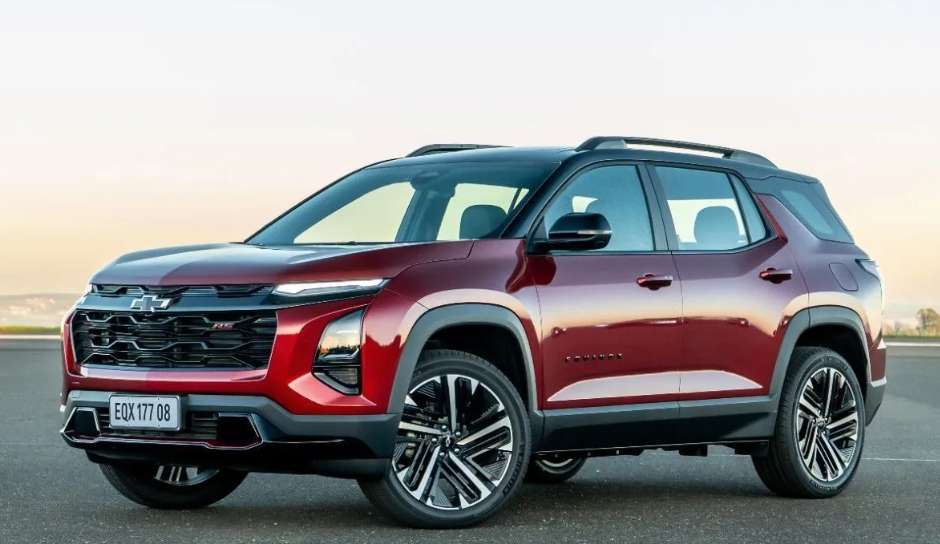
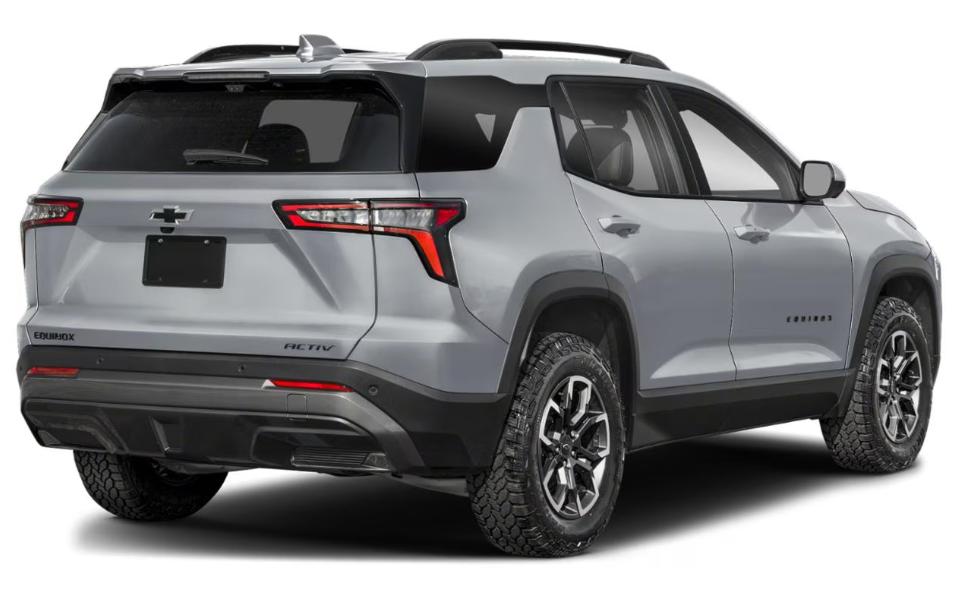
Both models share the Equinox’s compact SUV DNA, but their exteriors reflect their power sources. The gas Equinox sports a rugged, traditional vibe with a bold grille, sleek taillamps, and available two-tone roofs—perfect for those who love a classic American SUV silhouette. Trims like the ACTIV add all-terrain tires and roof rails for light off-road adventures, while the RS trim amps up the sportiness with blacked-out accents and 19-inch wheels.
In contrast, the Equinox EV leans into a sleeker, aerodynamic profile to maximize efficiency. Its smooth lines and flush door handles reduce drag, contributing to that standout 319-mile EPA-estimated range on front-wheel-drive (FWD) models. Available in LT and RS trims, it offers a more futuristic edge with LED lighting and a lower stance.
Practical Tip: If you frequently haul gear for weekend getaways, the gas model’s available hands-free power liftgate makes loading easier, while the EV’s dual-height cargo floor provides flexible storage without sacrificing style.
| Feature | Gas Equinox | Equinox EV |
|---|---|---|
| Wheel Sizes | Up to 19-inch | Up to 19-inch |
| Roof Options | Two-tone available | Not specified; focuses on aero |
| Ground Clearance | Standard SUV height | Slightly lower for efficiency |
Interior and Comfort: Space That Adapts to You
Step inside, and both Equinox models prioritize family-friendly comfort with seating for five and premium touches like heated front seats. The gas version shines with 63.5 cubic feet of max cargo space behind the front seats—ideal for grocery runs or road trips. Its Evotex or sueded microfiber seats feel upscale, especially in the ACTIV trim with contrast stitching.
The Equinox EV matches that practicality but trades a bit of cargo room (57.2 cubic feet max) for battery placement. What it gains is a quieter cabin, thanks to the electric powertrain’s lack of engine noise. Ventilated seats and ambient lighting (standard on RS) add a premium feel, making long drives more enjoyable.
Example in Action: Imagine folding the rear seats flat for a home improvement haul—the gas model’s extra cargo edge wins here. But for urban dwellers, the EV’s one-pedal driving mode lets you glide through traffic with less fatigue.
- Seating Adjustments: Gas offers standard manual; EV adds available 6-way power for the front passenger.
- Storage Smarts: Both have under-floor compartments, but the EV’s design optimizes for charging cable storage.
Technology and Infotainment: Screens and Smarts That Keep You Connected
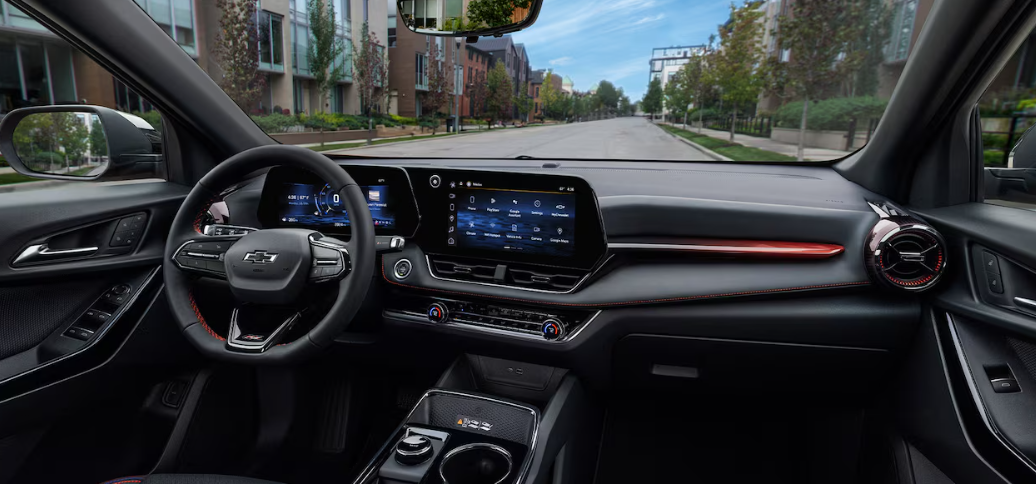
Tech is where the Equinox EV pulls ahead, boasting a massive 17.7-inch diagonal touchscreen—the largest in its EV class—for seamless Google built-in integration. Voice commands handle navigation, music, and even climate control, while the available Super Cruise hands-free driving lets you relax on compatible highways.
The gas Equinox isn’t far behind with an upgraded 11.3-inch infotainment screen and 11-inch driver information center, both new for 2026. Wireless Apple CarPlay and Android Auto are standard, plus OnStar for remote diagnostics. It’s intuitive for tech novices, with physical knobs for quick audio tweaks.
Pro Insight: For podcast-loving commuters, the EV’s larger display makes multitasking (like route planning while streaming) effortless. Pair it with the myChevrolet app to locate chargers en route— a game-changer if you’re transitioning from gas.
Performance and Powertrain: Electric Torque vs. Turbo Punch
Under the hood (or battery pack), these models diverge sharply. The gas Equinox runs a 1.5L turbocharged four-cylinder engine delivering 175 horsepower and 203 lb-ft of torque, paired with an 8-speed automatic transmission. It’s peppy for city merges and tows up to 1,500 pounds, with available all-wheel drive (AWD) for snowy drives.
The Equinox EV flips the script with instant electric torque: 220 hp on FWD models (dual-motor AWD boosts it further for quicker acceleration). No gear shifts mean smooth, responsive power—0-60 mph in under 7 seconds for AWD variants. It’s not a sports car, but the regenerative braking feels intuitive after a short learning curve.
Driving Scenario: Tackling a steep hill? The EV’s immediate torque shines without downshifting drama. For highway passing, the gas model’s predictable engine note might feel more reassuring.
- Drive Modes: Both offer selectors (Eco, Normal, Sport); EV adds Regen on Demand for customizable braking.
- Traction: AWD available on both, but EV’s electric motors provide precise torque vectoring.
Range, Efficiency, and Fuel/Charging: Long Hauls Without the Worry
Efficiency is the EV’s headline act: 319 miles per charge on FWD (307 on AWD), trouncing the gas model’s 26 mpg city/31 mpg highway (FWD estimates). Over 500 miles of real-world range? That’s possible with the EV’s relaxed driving tips, like preconditioning the cabin on grid power.
Fuel stops are quicker for gas (under 5 minutes at the pump), but the EV counters with home Level 2 charging (full in 7-10 hours) or DC fast-charging to 80% in 30 minutes. Access to 250,000+ public chargers, including Tesla Superchargers via adapter, makes road trips viable.
Cost-Saving Tip: At current rates, the EV could save $1,000+ annually on “fuel” for average drivers. Track your habits with the Chevy app to optimize—gentle acceleration alone boosts EV range by 10-15%.
| Metric | Gas Equinox (FWD) | Equinox EV (FWD) |
|---|---|---|
| Efficiency | 26/31 mpg city/hwy | 319 miles range |
| Refuel Time | 5 minutes | 7-10 hours (Level 2) |
| Annual Cost Est. | ~$1,500 (gas) | ~$500 (electricity) |
Safety Features: Protection Built In
Chevy’s safety ethos shines across both, but the EV edges out with over 20 standard features via Chevy Safety Assist—think Automatic Emergency Braking, Lane Keep Assist, and Pedestrian Detection. Super Cruise adds highway confidence.
The gas model packs over 15 features, including Rear Cross Traffic Braking and HD Surround Vision. It’s robust for the price, with adaptive cruise control standard on higher trims.
Family Focus: Both earn top crash-test ratings, but the EV’s quieter ride reduces driver distraction, indirectly boosting safety.
Pricing and Ownership: Value That Drives Home the Point
Entry-level pricing favors the gas Equinox at $28,700, making it accessible for budget buyers. Loaded RS or ACTIV trims climb to around $37,000. The Equinox EV starts at $35,100 (LT FWD), with incentives like 0% APR financing narrowing the gap. Federal EV tax credits (up to $7,500) could drop it below gas prices.
Long-term, the EV’s lower maintenance (no oil changes) and energy costs tip the scales, though battery warranties (8 years/100,000 miles) provide peace of mind.
Ownership Hack: Factor in resale—EVs like the Equinox hold value well amid rising demand. Use Chevy’s online configurator to build and compare totals.
Maintenance and Total Cost of Ownership: Smart Savings Over Time
Gas models need routine oil changes (~$50 every 7,500 miles) and potential transmission work, totaling ~$800/year. The Equinox EV skips those, with brake savings from regen—expect $300-500 annually, plus home charger installs (~$500 one-time).
Trend Watch: As EV infrastructure grows, charging at work or malls becomes routine, cutting public station reliance. For gas loyalists, ethanol-free fuel tips extend engine life.
In wrapping up, the 2026 Chevy Equinox EV suits forward-thinkers chasing efficiency and tech, while the gas model appeals to traditionalists valuing affordability and familiarity. Your choice hinges on lifestyle—urban electric bliss or versatile gas reliability?
| Key Comparison Points | Gas Equinox Advantage | Equinox EV Advantage |
|---|---|---|
| Starting Price | Lower entry ($28,700) | Tax credits make it competitive |
| Range/Efficiency | Familiar refueling | 319 miles + lower costs |
| Performance | Towing capacity (1,500 lbs) | Instant torque, quiet ride |
| Tech/Safety | Solid basics | Larger screen, more features |
| Cargo Space | 63.5 cu ft max | 57.2 cu ft + flexible floor |
| Ownership Costs | Simpler upfront | Savings on fuel/maintenance |