2026 Chevy Express Van – Redesign, Interior & 3500 Updates – The Chevy Express Van has been a staple in the commercial world for nearly three decades, hauling everything from tools and cargo to passengers and dreams since its debut in 1996. As we approach the 2026 model year, enthusiasts and fleet operators alike are buzzing about potential evolution in this iconic full-size van. While whispers of a full redesign have circulated in online forums and industry speculation, official word points to a more measured approach: subtle updates that honor its rugged roots without reinventing the wheel. For 2026 Chevy Express Van buyers, this means enhanced reliability, smarter interior touches, and targeted improvements to the heavy-duty 3500 series—all while keeping costs in check and capability front and center.
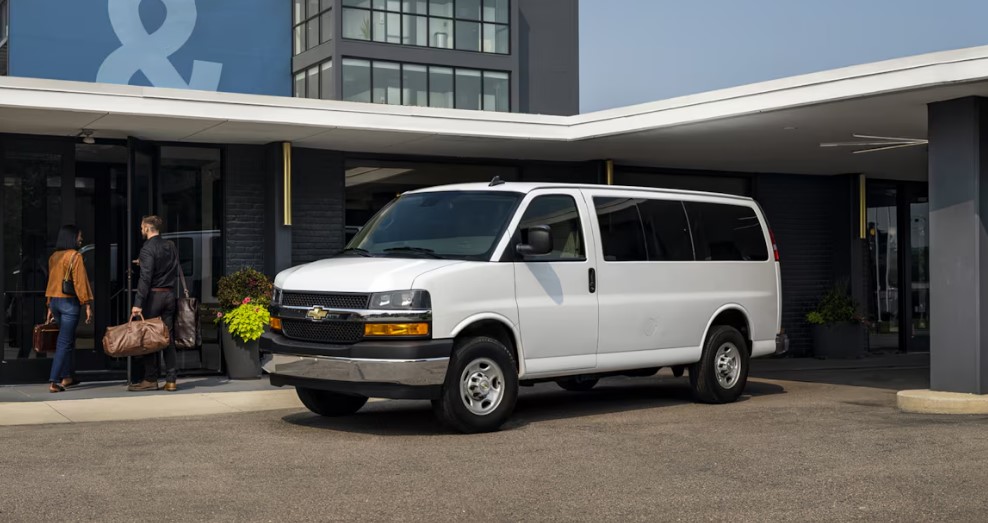
Why does this matter? In an era of flashy electric vans and unibody crossovers, the Express remains a body-on-frame beast built for real-world abuse. Whether you’re a contractor maximizing payload or a shuttle service prioritizing passenger space, the 2026 updates promise to keep this van competitive against rivals like the Ford Transit and Ram ProMaster. Let’s dive into the details, from refreshed cabins to beefed-up 3500 prowess.
The Enduring Legacy of the Chevy Express Van
Before unpacking the 2026 tweaks, it’s worth celebrating what makes the Express timeless. Born on GM’s GMT600 platform (a ladder-frame setup shared with the GMC Savana), this van has outlasted eight U.S. presidents and countless fads. Its straightforward design—rear-wheel drive, V6 or V8 power, and massive cargo volume—has made it a fleet favorite, with over a million units sold.
- Proven Durability: Owners report 300,000+ miles with routine maintenance, thanks to simple mechanics and easy parts access.
- Versatile Configurations: Choose from Cargo, Passenger, or Cutaway models to fit your needs, from urban deliveries to RV conversions.
- Market Edge: Unlike sleeker competitors, the Express’s high ground clearance and towing muscle shine in off-road or heavy-haul scenarios.
Tip for new buyers: If you’re upgrading from an older model, test-drive a 2025 Express first—its familiar feel will highlight how even minor 2026 changes elevate the experience.
What’s New for 2026: Subtle Evolutions, Not a Ground-Up Redesign
Rumors of a sweeping redesign for the 2026 Chevy Express Van—fueled by fan renders on social media showing sleek lines and digital dashboards—haven’t panned out. Instead, Chevrolet is opting for incremental refinements to extend the first-generation platform through at least 2026. Production kicks off in November 2025 at GM’s Wentzville Assembly in Missouri, ensuring supply chain stability.
These updates focus on efficiency, safety, and user feedback, addressing pain points like outdated tech and brake longevity without ballooning prices.
Exterior Refinements for Everyday Resilience
The body retains its boxy, utilitarian shape, but expect these practical enhancements:
- LED Lighting Upgrade: Swapping halogens for energy-efficient LEDs in headlights and cargo-area illumination improves visibility and cuts long-term costs—ideal for late-night deliveries.
- Rust-Resistant Tweaks: Enhanced underbody coatings and sealed seams target corrosion in salty winter regions, extending frame life.
- Optional High-Roof Add-On: Responding to upfitter demands, a taller roof option (up to 84 inches interior height) boosts cargo flexibility for RV or shelving conversions.
Practical insight: For contractors, pair the high-roof with modular tie-downs to secure ladders or plywood securely, reducing load-shift risks on highways.
Interior Updates: Modern Comfort Without the Frills
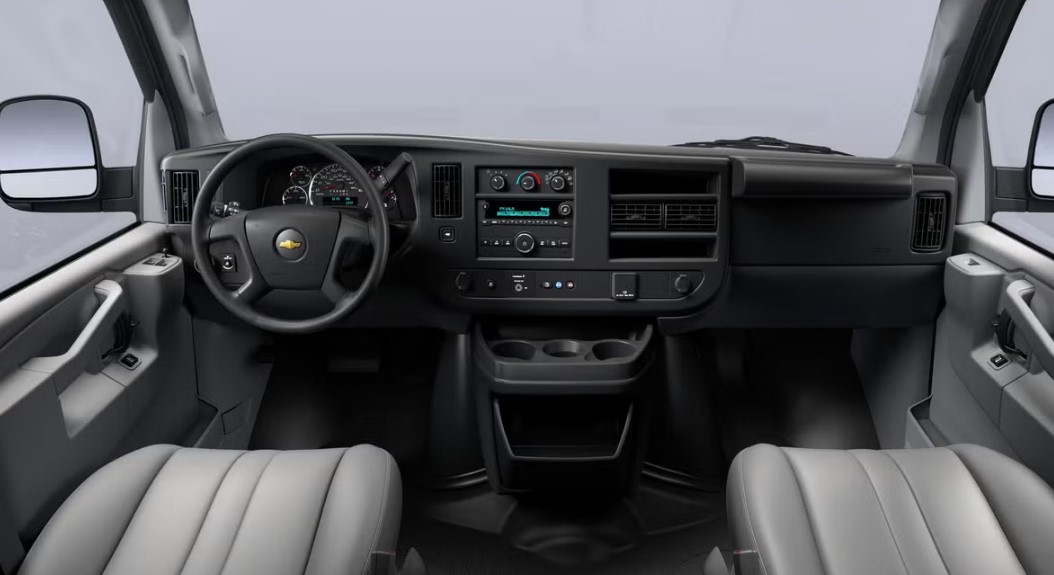
The interior gets the most noticeable glow-up for 2026, blending work-ready toughness with everyday usability. Gone are the dated plastics; in come refreshed materials that feel premium yet wipe clean after a messy job site.
Key changes include:
- Redesigned Dashboard: A cleaner layout with larger gauges and intuitive controls reduces driver distraction. Analog dials stick around for reliability, but expect optional digital accents for fuel economy readouts.
- Connectivity Boost: Standard USB-C ports (four total) and wireless Apple CarPlay/Android Auto integration mean seamless navigation for rideshare drivers or field techs.
- Improved Insulation: Thicker sound-deadening materials quiet road noise by up to 10%, making long hauls less fatiguing.
| Feature | 2025 Model | 2026 Update |
|---|---|---|
| Infotainment Screen | 7-inch base | Optional 8-inch with wireless charging pad |
| Seating Material | Vinyl standard | Upgraded cloth/vinyl hybrid for better grip and comfort |
| Cargo Lighting | Basic halogens | LED strips with auto-activation on door open |
Example: Imagine loading groceries after a delivery run—the flat cargo floor (now with more D-ring anchors) and optional insulated bulkhead keep items separate and temperature-stable.
Spotlight on the 2026 Express 3500: Heavy-Duty Heroics
The 3500 series shines brightest in 2026, tailored for max-capacity tasks like towing trailers or hauling heavy equipment. With a GVWR up to 12,300 pounds, it’s the go-to for pros who push limits.
Engine and Drivetrain Options
Power remains gasoline-focused, with no diesel return despite fan pleas:
- 4.3L V6: 276 hp, 298 lb-ft torque—efficient for urban routes (up to 17 mpg highway).
- 6.6L V8: 401 hp, 464 lb-ft—beast mode for the 3500, paired with an 8-speed automatic for smoother shifts.
Both get minor ECU tweaks for 2-3% better fuel economy, thanks to optimized throttle response.
Towing, Payload, and Capability
The 3500‘s updates emphasize brute strength:
- Max Towing: 10,000 pounds (up from 9,600 in prior years) with integrated trailer brake controller.
- Payload Capacity: Up to 4,560 pounds in extended wheelbase Cargo config.
- Brake Enhancements: Larger rear rotors and regenerative-like ABS tuning extend pad life by 20%, a boon for frequent haulers.
Numbered tips for 3500 owners:
- Weight Distribution: Always use a trailer sway control hitch to maintain stability over 5,000 pounds.
- Tire Upgrades: Opt for LT275/70R18 all-terrain tires for better grip on gravel job sites.
- Maintenance Hack: Schedule oil changes every 7,500 miles to preserve the V8’s longevity—saves thousands in rebuilds.
Comparisons show the 3500 edging out the Ford E-350 in payload but trailing the Mercedes Sprinter in fuel efficiency. For most fleets, though, its lower upfront cost wins.
Pricing, Trims, and Buying Advice
Entry pricing holds steady, making the 2026 Chevy Express Van a value play:
- Cargo Van (2500): Starts at $42,000.
- Passenger Van (3500): Around $48,500.
- Cutaway (3500): From $36,000 for custom builds.
Trims remain simple: Work Van (base) and LT (with extras like cruise control). Add-ons like the Driver Convenience Package ($500) bundle blind-spot monitoring and rearview camera.
For enthusiasts: Lease a 3500 for tax write-offs if you’re in business—GM’s fleet incentives can shave 10-15% off.
Wrapping Up: Why the 2026 Express Still Delivers
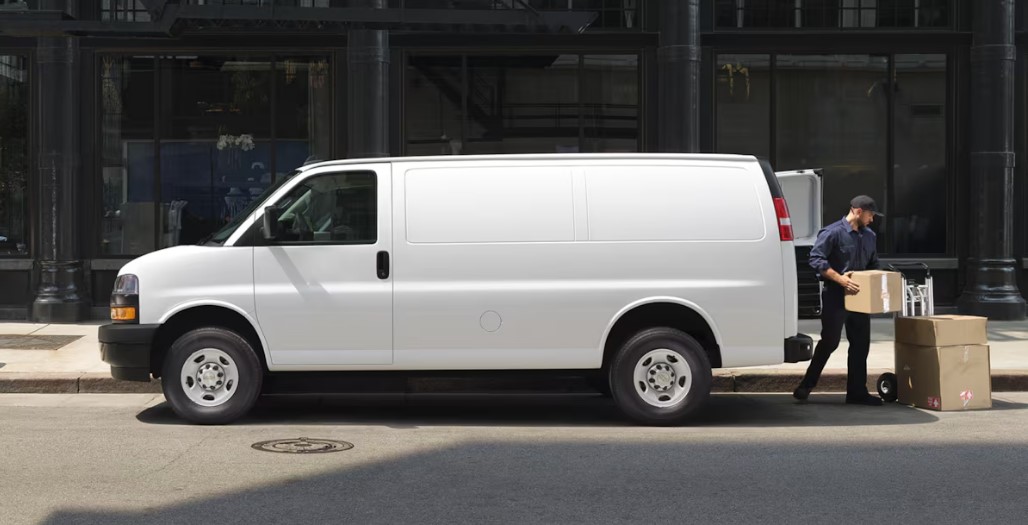
The 2026 Chevy Express Van may not dazzle with a radical redesign, but its refined interior, targeted 3500 boosts, and unwavering reliability reaffirm its status as the ultimate work van. In a shifting market eyeing electrics, this gas-guzzling giant offers peace of mind for those who value function over flash. If you’re eyeing one, hit a dealership post-November 2025—early orders lock in the best builds.
| Key Specs | 2026 Chevy Express 2500 | 2026 Chevy Express 3500 |
|---|---|---|
| Base Price | $42,000 | $45,500 |
| Engine Options | 4.3L V6 (276 hp) | 4.3L V6 or 6.6L V8 (401 hp) |
| Max Payload | 3,280 lbs | 4,560 lbs |
| Max Towing | 7,500 lbs | 10,000 lbs |
| Interior Volume (Cargo) | 239 cu ft | 284 cu ft (extended) |
| Fuel Economy (City/Hwy) | 15/20 mpg | 14/19 mpg (V8) |
| Warranty | 3 years/36,000 miles | Same |
This table distills the essentials—use it to compare trims and plan your next haul. The Express endures because it works. What’s your take: ready to spec one out?