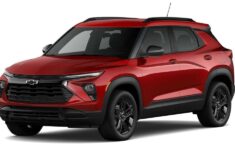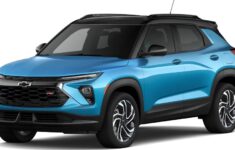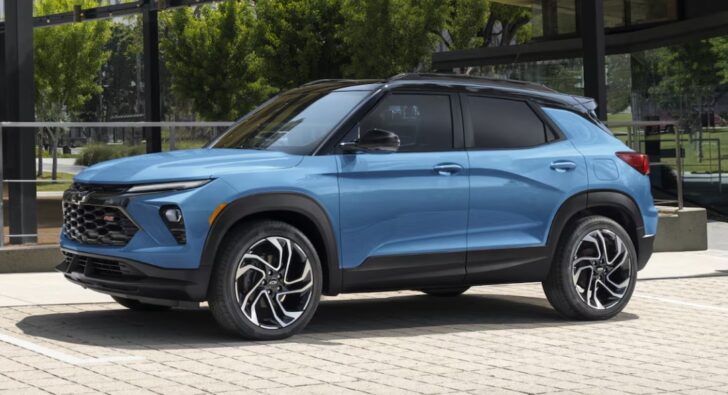
2026 Chevy Trailblazer MPG, Engine, and Efficiency Review – In the world of compact SUVs, where versatility meets everyday practicality, the 2026 Chevy Trailblazer stands out as a smart choice for urban adventurers and family haulers alike. As fuel prices fluctuate and environmental concerns grow, buyers are increasingly drawn to vehicles that balance spirited performance with impressive fuel efficiency. The 2026 model refreshes this subcompact favorite with refined engine options and tech-savvy features designed to maximize every mile. Whether you’re commuting through city traffic or tackling weekend getaways, this review dives deep into the Trailblazer’s MPG ratings, engine prowess, and efficiency innovations—helping you decide if it’s the efficient ride you’ve been searching for.
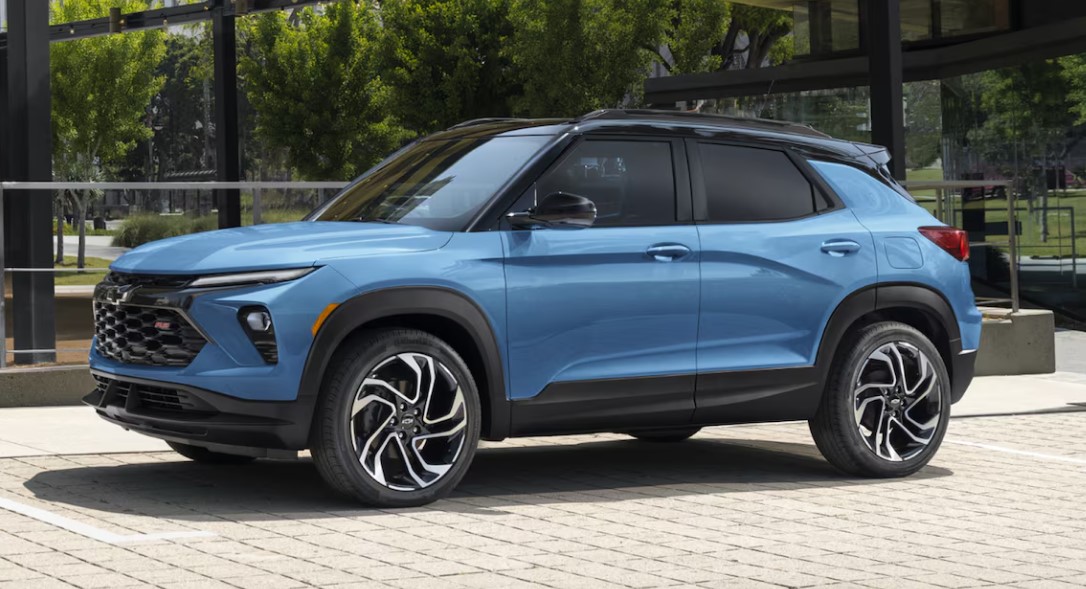
Engine Options: Compact Power Under the Hood
The 2026 Chevrolet Trailblazer offers two turbocharged three-cylinder engines, both engineered for responsive acceleration without sacrificing smoothness. These ECOTEC powerplants emphasize lightweight design and advanced turbocharging, delivering peppy performance in a package that’s easy on the wallet at the pump. Chevrolet‘s focus here is on blending fun-to-drive dynamics with real-world usability, making the Trailblazer feel larger than its size suggests.
The Efficient 1.2L Turbo: Everyday Reliability
Starting with the base engine, the 1.2-liter turbocharged three-cylinder produces around 137 horsepower and 162 lb-ft of torque. It’s paired standard with a continuously variable transmission (CVT) for seamless shifts and optimal gear ratios.
- Why it shines: This mill is ideal for solo drivers or light loads, offering quick low-end torque for merging onto highways or navigating parking lots.
- Practical tip: If your drives involve mostly stop-and-go traffic, stick with front-wheel drive (FWD) to hit peak efficiency—more on that below.
In real-world testing scenarios, owners report it feels surprisingly zippy, with 0-60 mph times hovering around 9 seconds, proving you don’t need V8 rumble for daily thrills.
The Punchy 1.3L Turbo: For Those Extra Kicks
Upgrade to the optional 1.3-liter turbo for 155 horsepower and a robust 174 lb-ft of torque. It comes with a nine-speed automatic transmission, which provides crisper shifts and better highway cruising.
- Performance edge: Expect 0-60 mph in about 8.5 seconds, making it a match for twisty roads or light off-roading with available all-wheel drive (AWD).
- Insight for enthusiasts: The dual exhaust on higher trims like ACTIV and RS adds a subtle growl, enhancing the driving experience without overwhelming cabin noise.
Both engines run on regular unleaded fuel, keeping maintenance costs low. Chevrolet’s engineering tweaks for 2026 include refined turbo lag reduction, ensuring smoother power delivery from a standstill.
Fuel Economy Ratings: Impressive MPG for the Class
One of the 2026 Chevy Trailblazer’s strongest suits is its MPG performance, earning EPA estimates that rival many sedans while offering SUV utility. With a 13.2-gallon fuel tank, you can expect ranges exceeding 400 miles on a full fill-up, minimizing those dreaded pit stops.
Here’s a breakdown of the estimated EPA MPG ratings by engine and drivetrain configuration:
| Engine/Drivetrain | City MPG | Highway MPG | Combined MPG | Estimated Range (Combined) |
|---|---|---|---|---|
| 1.2L Turbo FWD | 30 | 31 | 30 | ~396 miles |
| 1.2L Turbo AWD | 27 | 29 | 28 | ~370 miles |
| 1.3L Turbo FWD | 29 | 33 | 31 | ~409 miles |
| 1.3L Turbo AWD | 26 | 30 | 28 | ~370 miles |
Note: These are EPA estimates; actual results vary based on driving habits, weather, and load.
- City driving example: In urban settings, the FWD 1.3L setup could save you up to $200 annually over thirstier competitors, assuming 12,000 miles driven at average U.S. gas prices.
- Highway hauler tip: Engage Eco mode during long trips to nudge highway figures even higher—users often report 1-2 extra MPG with gentle acceleration.
Compared to the 2025 model, the 2026 sees slight gains in highway efficiency thanks to aerodynamic tweaks and software updates, making it a forward-thinking pick in an electrifying market.
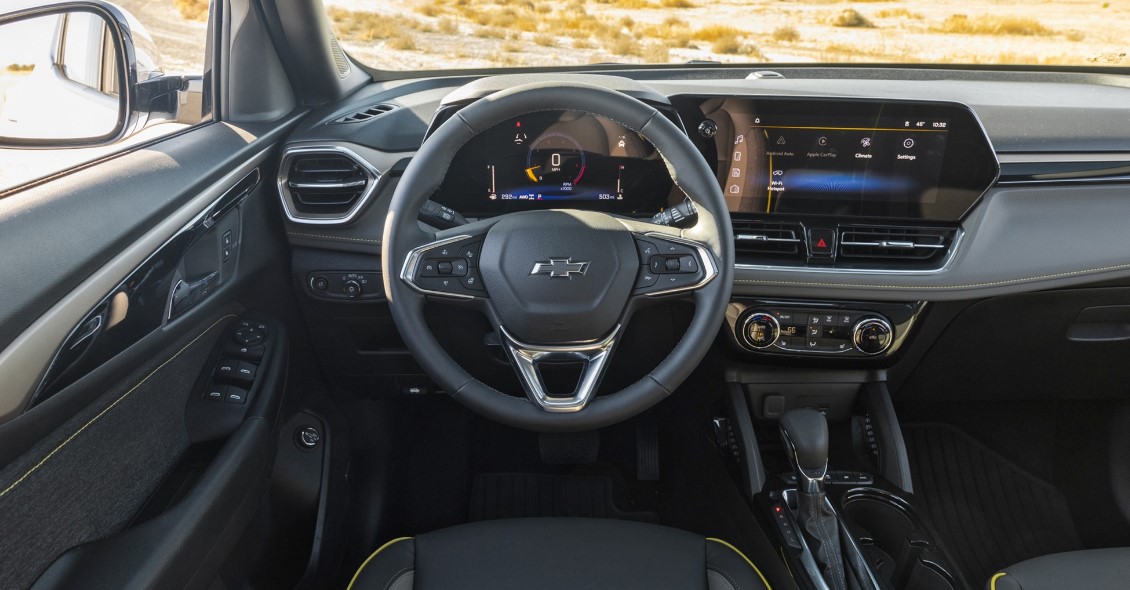
Efficiency Features and Technologies: Smarter Driving, Smarter Savings
Efficiency isn’t just about the engine; it’s woven into the Trailblazer’s DNA through clever tech and design. Chevrolet equips the 2026 model with features that promote mindful driving without feeling restrictive.
Drive Modes and Smart Systems
Select from three intuitive drive modes—Eco, Normal, and Sport—to tailor throttle response and transmission behavior:
- Eco Mode: Softens acceleration and optimizes shifts for maximum fuel savings—perfect for budget-conscious commuters.
- Normal Mode: Balances power and economy for versatile daily use.
- Sport Mode: Sharpens responses for fun, though it dips MPG slightly.
Additional efficiency boosters include:
- Active Aero Shutters: Automatically close to reduce drag at highway speeds, potentially adding 1 MPG.
- Low-Rolling-Resistance Tires: Standard on all trims, these minimize energy loss without compromising grip.
- Regenerative Braking Integration: In hybrid-like fashion (though not a full hybrid), it recaptures energy during stops to support the starter battery.
Maintenance Tips for Long-Term Efficiency
To keep your Trailblazer running at peak MPG:
- Rotate tires every 7,500 miles: Uneven wear can drop efficiency by 5-10%.
- Use the right oil: Stick to synthetic 0W-20 for both engines to reduce friction.
- Monitor via Chevy App: Track fuel trends and get reminders for tune-ups, ensuring you stay ahead of efficiency dips.
These elements make the 2026 Trailblazer not just frugal, but forward-compatible with future eco-trends like potential mild-hybrid assists in later years.
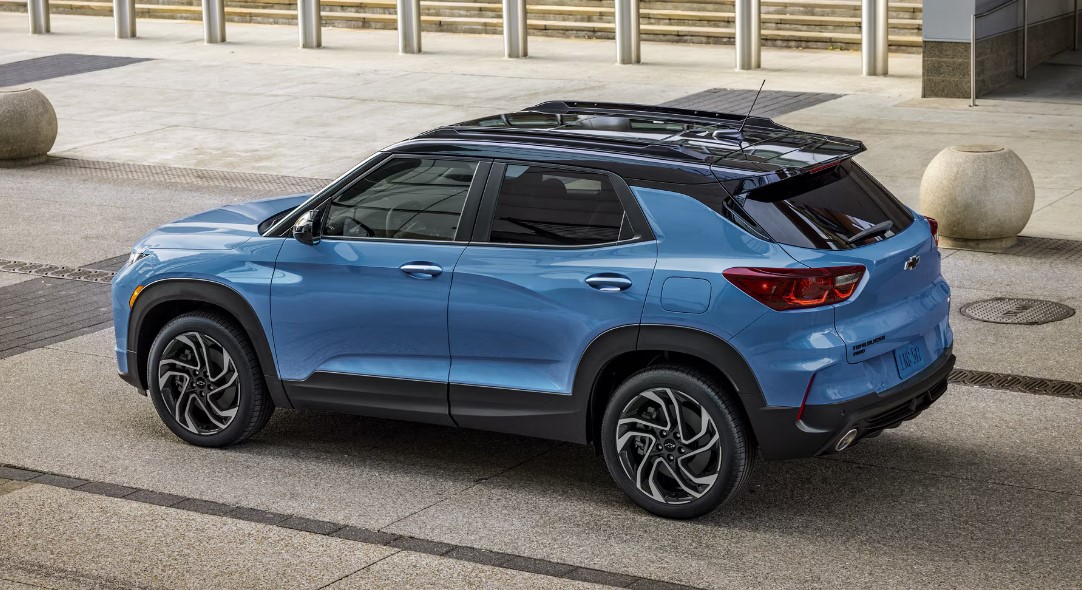
Real-World Performance and Competitor Comparisons
On the road, the 2026 Chevy Trailblazer punches above its weight. The 1.3L AWD variant handles light snow or gravel paths with confidence, thanks to torque-vectoring and hill-descent control, all while maintaining respectable 28 combined MPG. Enthusiasts praise its nimble handling—stiffer suspension on RS trims keeps body roll in check during spirited drives.
Stack it against rivals like the Honda HR-V or Kia Seltos:
- Vs. HR-V: Trailblazer’s higher highway MPG (33 vs. 30) edges it for road trippers, though HR-V offers more cargo space.
- Vs. Seltos: Similar city figures, but Trailblazer’s turbo engines provide quicker acceleration without premium fuel needs.
For families, the Trailblazer’s 54.4 cubic feet of max cargo (with seats folded) pairs beautifully with its efficiency, turning errands into effortless adventures.
Wrapping Up: Why the 2026 Trailblazer Excels in Efficiency
The 2026 Chevy Trailblazer masterfully combines compact convenience with standout engine efficiency and MPG ratings that make it a standout in the subcompact SUV segment. From the zippy 1.2L base to the torquey 1.3L upgrade, it’s engineered for drivers who want performance without the premium at the pump. As electrification looms, this gas-powered gem offers a bridge to greener motoring, backed by smart tech and practical perks.
For quick reference, here’s a summary table of the essentials:
| Key Aspect | Highlights |
|---|---|
| Engine Options | 1.2L Turbo (137 hp, 162 lb-ft); 1.3L Turbo (155 hp, 174 lb-ft) |
| Top MPG (FWD) | 1.2L: 30/31 city/hwy; 1.3L: 29/33 city/hwy |
| Efficiency Tech | Eco/Sport modes, active aero, low-rolling tires |
| Fuel Tank/Range | 13.2 gallons; Up to 409 miles combined |
| Best For | Urban commuters seeking value; families wanting versatile efficiency |
Ready to test drive one? The 2026 Trailblazer proves that great things come in efficient packages—your next road trip awaits.