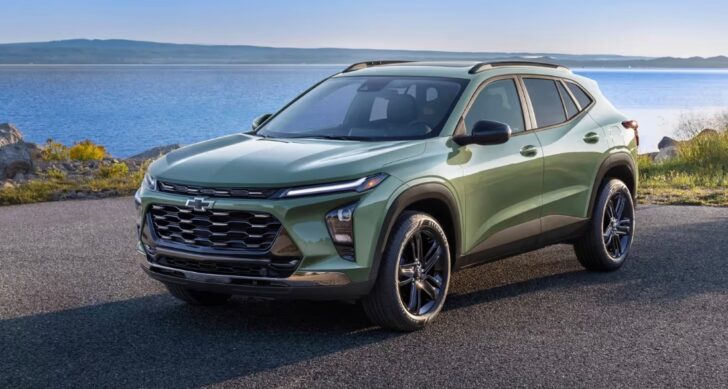
2026 Chevy Trax vs Trailblazer – Compact SUV Showdown – In the bustling world of compact SUVs, where versatility meets affordability, Chevrolet continues to deliver standout options for everyday adventurers. The 2026 Chevy Trax and Trailblazer are two prime contenders in this segment, each tailored for urban commuters, weekend explorers, and families on a budget. With the Trax emphasizing sleek efficiency and the Trailblazer leaning into rugged charm, choosing between them boils down to your priorities—nimble city driving or a touch more space and style? This showdown breaks down their key differences, helping you decide which Chevy compact SUV fits your life. Whether you’re upgrading from a sedan or pitting these against rivals like the Honda HR-V, let’s dive in.
Exterior Design: Style Meets Practicality
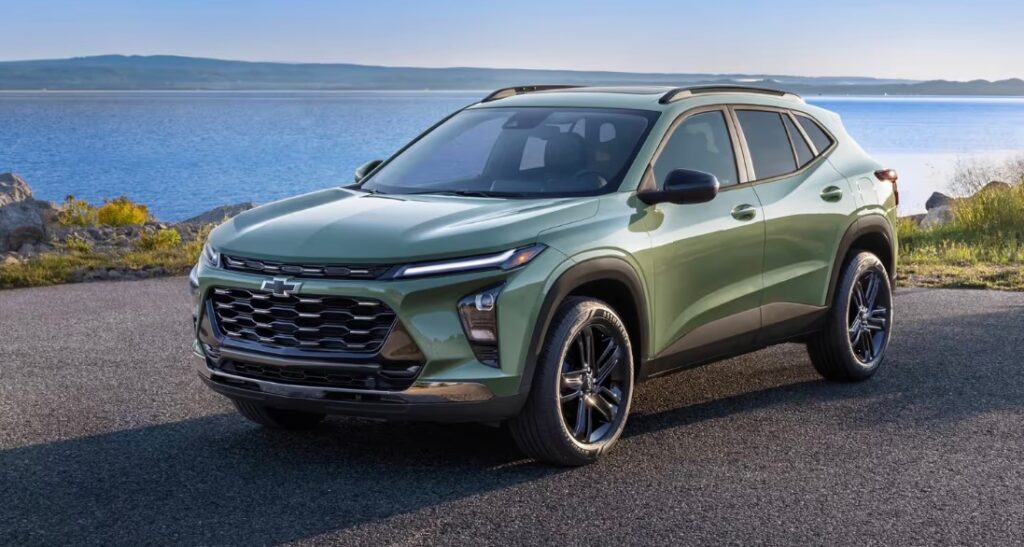
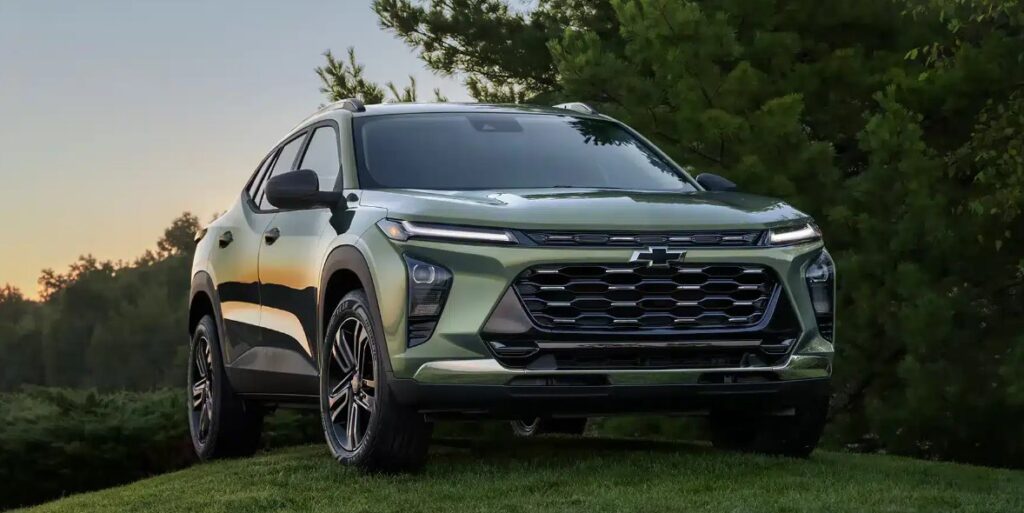
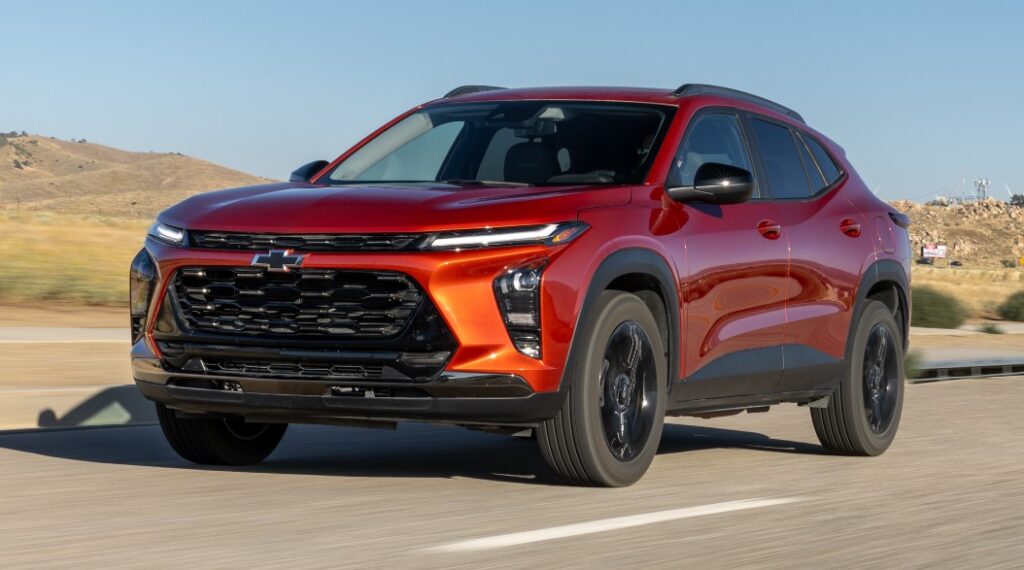
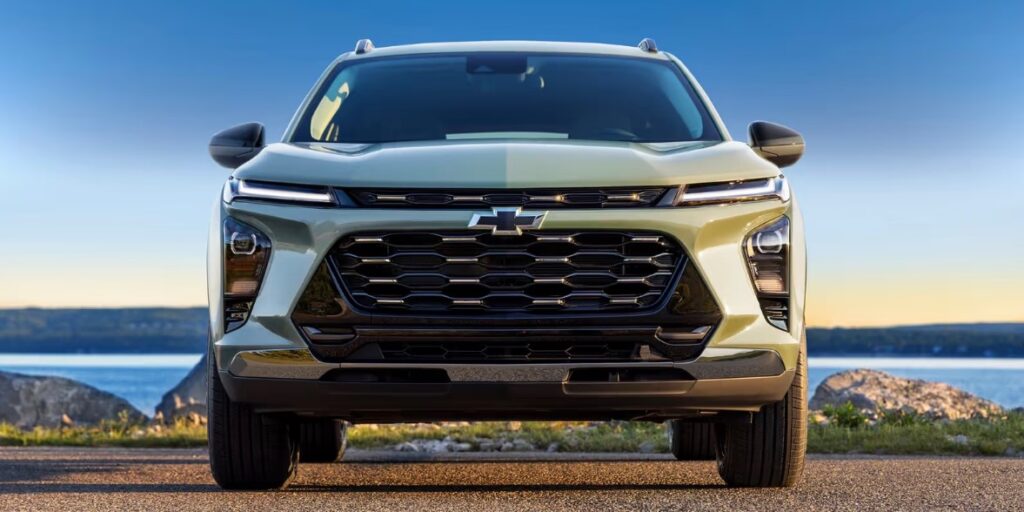
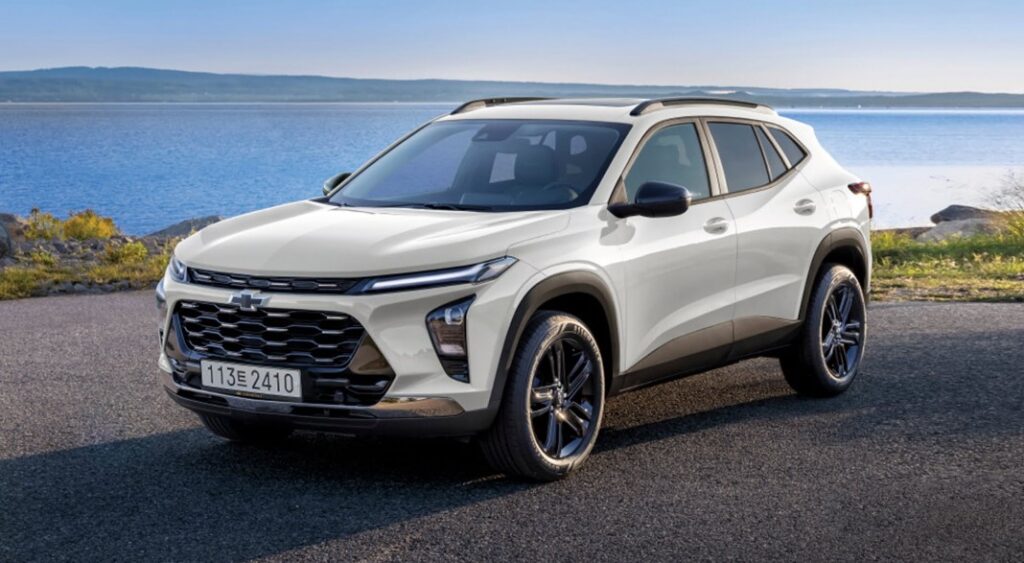
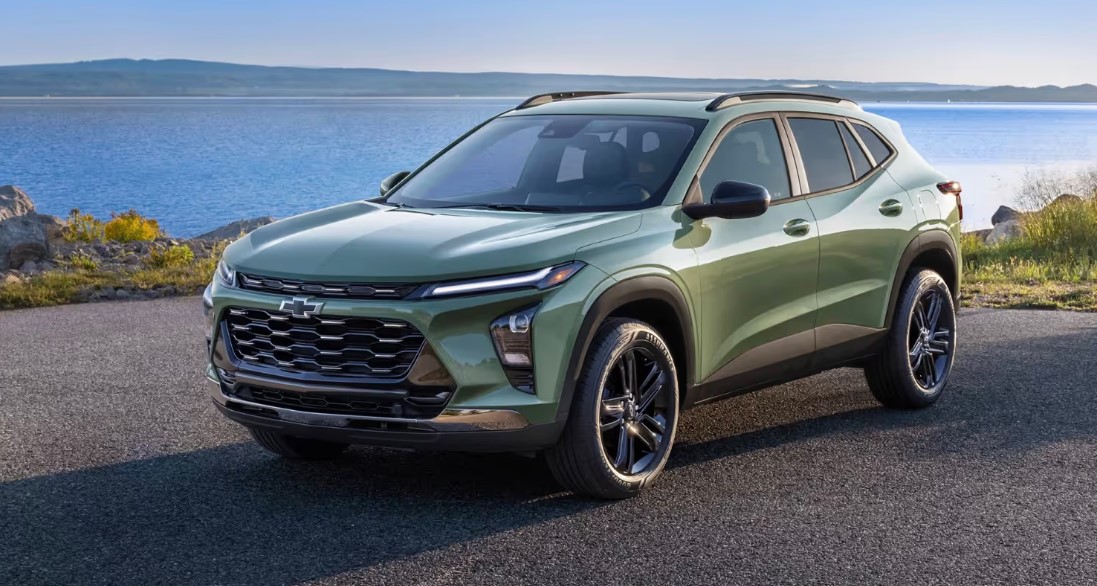
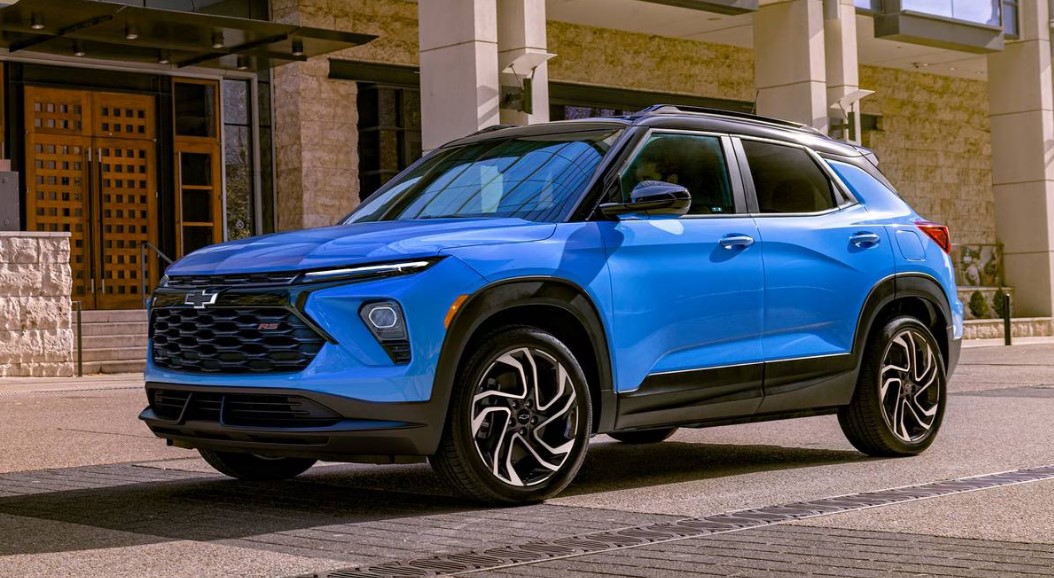
Both the 2026 Chevy Trax and Trailblazer sport Chevrolet’s bold, modern aesthetic, but they carve out distinct personalities. The Trax adopts a sleeker, more aerodynamic profile, ideal for those who want to slip through traffic without drawing too much attention. Think sharp LED headlights, a sculpted grille, and 17-inch alloy wheels that give it a sporty edge. In contrast, the Trailblazer channels a bit more crossover attitude with its taller stance, blacked-out accents on higher trims, and available roof rails for light off-road vibes.
Dimensionally, these SUVs are close cousins, but subtle differences matter for parking in tight spots or hauling gear. Here’s a quick comparison:
| Feature | 2026 Chevy Trax | 2026 Chevy Trailblazer |
|---|---|---|
| Length | 178.6 inches | 174.0 inches |
| Width | 71.8 inches | 71.2 inches |
| Height | 61.4 inches | 65.2 inches |
| Wheelbase | 106.0 inches | 103.9 inches |
| Ground Clearance | 7.3 inches | 8.0 inches |
Tip for buyers: If you’re in a snowy region, the Trailblazer’s extra height offers better clearance for light trails or winter slush. For city dwellers, the Trax’s longer wheelbase means a smoother ride over potholes.
Interior Space and Comfort: Room for Real Life
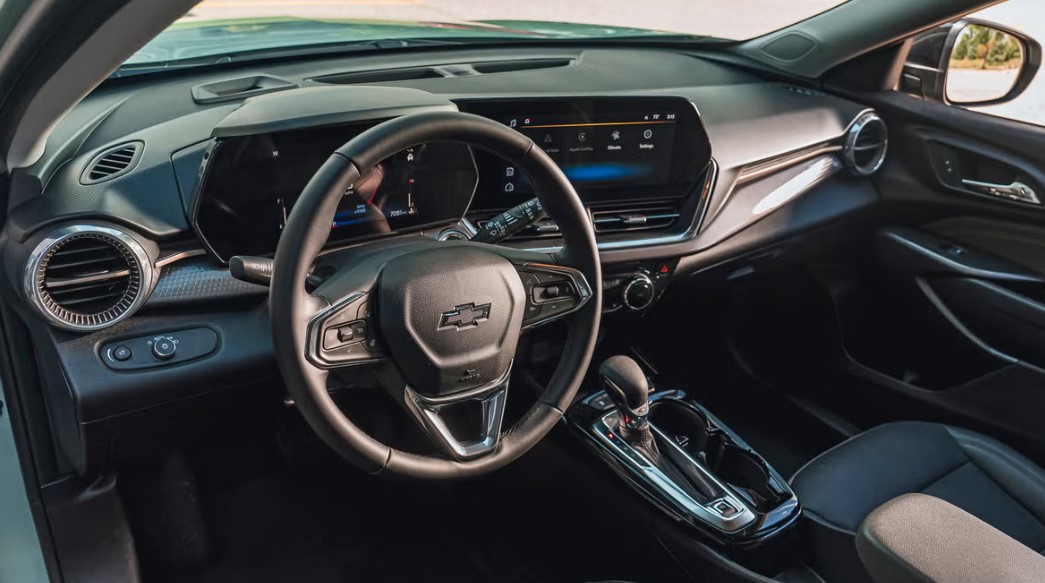
Step inside, and both models prioritize comfort without excess. The Trax shines with its minimalist cabin, featuring soft-touch materials and available heated front seats on LT trims and up. Rear passengers get surprisingly generous legroom (38.7 inches), making it a solid pick for carpooling. Cargo space? A class-leading 54.1 cubic feet with seats folded—perfect for IKEA runs.
The Trailblazer ups the ante on versatility, with a slightly boxier shape that translates to more headroom (up to 39.6 inches in the rear) and flexible seating. Its optional sliding rear bench lets you prioritize people or packages, a game-changer for families. Both offer cloth or leatherette upholstery, but the Trailblazer’s Activ and RS trims add sporty red stitching for that enthusiast flair.
- Practical insight: Test the rear seat recline in the Trax—it’s a small detail that makes long drives cozier. For the Trailblazer, pack a weekend’s worth of groceries (it holds 25.3 cubic feet behind the seats) to see how it stacks up against sedans.
If you’re torn, consider your crew: The Trax suits couples or solo drivers; the Trailblazer edges out for growing families.
Performance and Fuel Economy: Power Without the Pump Pain
Under the hood, efficiency rules the day for these compact Chevy SUVs. Both stick with a turbocharged 1.2-liter three-cylinder engine standard (137 hp, 162 lb-ft torque), paired with a continuously variable transmission (CVT) for seamless shifts. The Trax feels peppier in urban sprints, hitting 0-60 mph in about 8.5 seconds, while the Trailblazer’s all-wheel-drive (AWD) option provides better grip for rain-slicked roads.
Fuel economy is a highlight, with EPA estimates around 28 mpg city/32 mpg highway for front-wheel-drive models. Opt for AWD, and it dips slightly to 26/29 mpg—still thrifty for the class.
| Spec | 2026 Chevy Trax (FWD) | 2026 Chevy Trailblazer (AWD) |
|---|---|---|
| Horsepower | 137 hp | 155 hp (optional 1.3L turbo) |
| Torque | 162 lb-ft | 174 lb-ft |
| 0-60 mph | ~8.5 seconds | ~8.0 seconds |
| Towing Capacity | 1,000 lbs | 1,000 lbs |
| Fuel Economy | 28/32 mpg (city/hwy) | 26/29 mpg (city/hwy) |
Engaging example: Picture merging onto the highway—the Trax’s lighter curb weight (around 3,100 lbs) makes it feel agile, like a hot hatch in SUV clothing. The Trailblazer, at 3,300 lbs, rewards with confident handling on twisty backroads.
Maintenance tip: Rotate tires every 7,500 miles to preserve that warranty-covered ride. Both come with Chevy’s 3-year/36,000-mile basic warranty, but factor in $500-700 annual upkeep for oil changes and filters.
Technology and Safety: Connected and Confident
Chevy packs these SUVs with user-friendly tech that doesn’t overwhelm. The standard 11-inch touchscreen runs wireless Apple CarPlay and Android Auto, while the optional Super Cruise hands-free driving (on higher trims) lets you Netflix-and-chill on compatible highways.
Safety is non-negotiable, with both earning top IIHS marks. Standard features include automatic emergency braking, lane-keeping assist, and a rearview camera. The Trailblazer adds blind-spot monitoring standard, a boon for lane changes in heavy traffic.
- Standout tech: Voice-activated controls make adjusting climate a breeze—say “I’m cold” and watch the heat kick in.
- Safety insight: Enable adaptive cruise control for rush-hour relief; it maintains distance without white-knuckling the wheel.
For enthusiasts, the Trax’s available Bose audio system delivers crisp sound, while the Trailblazer’s wireless charging pad keeps devices juiced during road trips.
Pricing and Trims: Value That Drives Home
Starting around $21,500 for the base Trax LS, these SUVs undercut many rivals while offering premium perks. The Trailblazer kicks off at $23,100, reflecting its extra features. Top out at RS trims for under $28,000, and you’re still saving versus a Subaru Crosstrek.
Trim lineup:
- LS: Bare-bones essentials for budget buyers.
- LT: Adds alloy wheels and wireless charging.
- Activ/RS: Off-road flair or sporty looks with AWD.
Buyer tip: Lease if you swap cars every three years—the Trax’s residual value holds strong at 55-60% after 36 months.
Pros and Cons: Weighing the Trade-Offs
No SUV is perfect, so here’s the balanced view:
2026 Chevy Trax Pros:
- Exceptional fuel economy for daily commutes.
- Spacious cargo without a bulky footprint.
- Affordable entry price with upscale tech.
Cons:
- Base engine can feel underpowered when loaded.
- Less ground clearance for rougher paths.
2026 Chevy Trailblazer Pros:
- Versatile interior for families or gear haulers.
- Engaging drive with optional AWD.
- Stylish trims that turn heads.
Cons:
- Slightly thirstier on fuel with AWD.
- Pricier starting point than the Trax.
Wrapping Up: Which Compact Chevy Wins Your Drive?
The 2026 Chevy Trax nails efficiency and ease for solo urbanites, while the Trailblazer charms with its can-do versatility for those craving a bit more adventure. Both embody Chevy’s commitment to fun, reliable rides without breaking the bank—proving compact SUVs can punch above their weight.
For a quick-reference recap, here’s the showdown summary:
| Category | Winner: Trax | Winner: Trailblazer | Tie/Notes |
|---|---|---|---|
| Design & Size | Sleeker profile | Taller stance for utility | Trax for city parking |
| Interior Space | Cargo volume | Rear headroom & flexibility | Trailblazer for families |
| Performance | Nimble handling | AWD grip & optional power | Both efficient |
| Tech/Safety | Standard infotainment | Extra driver aids | Super Cruise elevates both |
| Pricing | Lower MSRP | More trims for customization | Great value overall |
| Best For | City commuters | Weekend warriors | Your lifestyle decides! |
Ready to test drive? Head to your local Chevy dealer—these 2026 models promise to keep the compact SUV conversation buzzing. What’s your pick?
Gallery of 2026 Chevy Trax vs Trailblazer – Compact SUV Showdown