2027 Chevy Bolt 0-60: Acceleration, Specs & Performance – The 2027 Chevrolet Bolt returns as America’s most affordable new electric vehicle, delivering strong value with updated performance, faster charging, and practical everyday usability targeted at U.S. drivers.
This compact hatchback (essentially a refreshed Bolt EUV body) features a 210-horsepower front-wheel-drive electric motor, a 65 kWh LFP battery, and an EPA-estimated range of up to 262 miles. It balances efficiency, affordability (starting around $27,600–$28,995), and peppy acceleration suitable for commuting, errands, and highway merging across the USA.
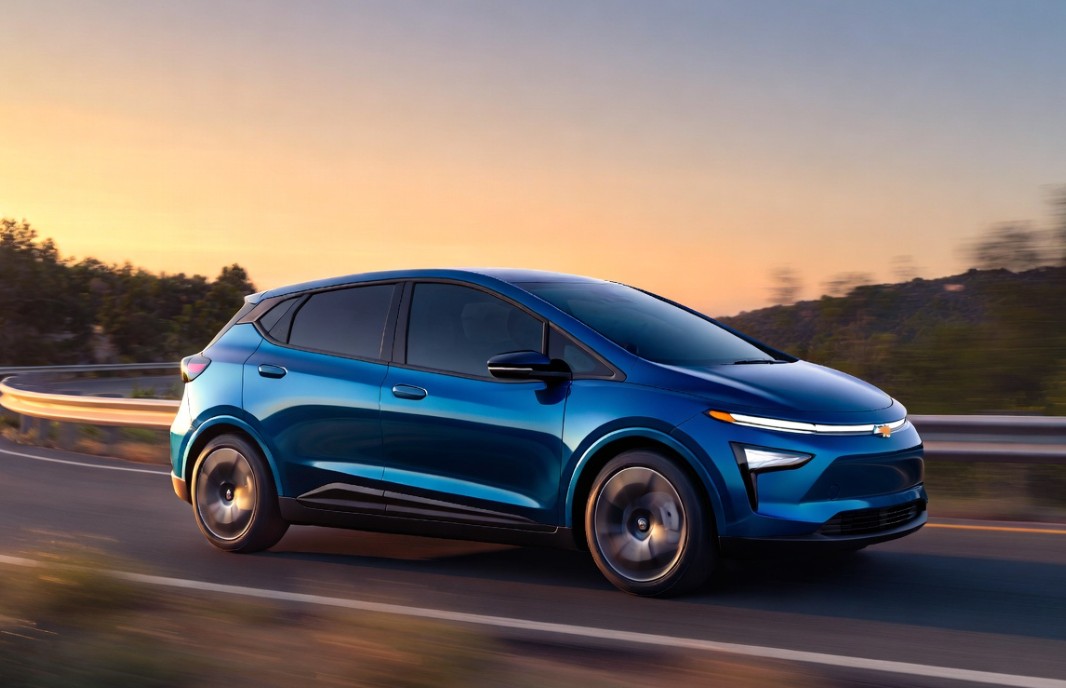
2027 Chevy Bolt 0-60 mph Acceleration
The 2027 Chevy Bolt achieves 0-60 mph in approximately 6.7 to 7.1 seconds, according to independent tests from Car and Driver, Edmunds, and MotorTrend.
- Car and Driver test: 6.7 seconds (RS trim), with a quarter-mile in 15.2 seconds at 95 mph.
- Edmunds test: 7.1 seconds to 60 mph.
- MotorTrend estimate/test: Around 6.7–7.2 seconds.
This performance comes from the single permanent-magnet motor producing 210 hp and 169 lb-ft of torque, paired with a revised final-drive ratio for sharper response. While torque is lower than the prior generation’s ~266 lb-ft, the new setup delivers linear, responsive acceleration ideal for city and suburban driving. Instant EV torque makes it feel quick off the line, easily keeping pace with traffic.
Real-world factors like battery state of charge, temperature, and load (common in U.S. conditions) can influence times slightly, but the Bolt remains quicker than many entry-level gas hatchbacks.
Powertrain Specs and Performance Details
The 2027 Bolt uses a more efficient 210 hp electric motor (shared influences from models like the Equinox EV) driving the front wheels. Key specs include:
- Horsepower: 210 hp
- Torque: 169 lb-ft
- Battery: 65 kWh lithium-iron-phosphate (LFP) — durable, supports 100% charging
- Drivetrain: Front-wheel drive
- Top Speed: Electronically limited (~93-95 mph)
- Charging: Up to 150 kW DC fast charging (10-80% in ~25-26 minutes); NACS port for Tesla Superchargers
The LFP battery prioritizes longevity and efficiency over peak power, resulting in slightly less aggressive low-end torque than the previous nickel-based pack but better real-world usability and faster charging — a big win for U.S. road trippers.
Handling, Braking, and Real-World Driving
Reviewers praise the Bolt’s responsive handling, sharp turn-in, and composed ride for a budget EV. It clings well in corners (around 0.80-0.82 g skidpad) and feels agile in daily U.S. driving scenarios.
Braking is strong and efficient, with regenerative braking in multiple levels (Normal allows one-pedal driving). Regenerative braking feels refined, though some miss the old steering-wheel paddle. Highway manners are stable, with real-world 75 mph range tests showing ~197-230 miles depending on conditions.
How It Compares to Competitors?
- Vs. previous Bolt: Similar or slightly slower 0-60 due to powertrain changes, but vastly better charging and comparable range.
- Vs. Nissan Leaf: Often edges it out in acceleration (Leaf ~6.9s) and offers more spacious rear seating.
- Vs. other affordable EVs: Stands out for price, practicality, and value while delivering adequate performance for most American drivers.
It’s not a sports EV but excels as an efficient, fun daily driver.
Who Should Buy the 2027 Chevy Bolt?
Ideal for U.S. buyers seeking an affordable EV for commuting, families, or first-time electric vehicle owners. With strong acceleration for its class, excellent value, fast charging, and practical hatchback space, it punches above its price. Availability started in early 2026, with trims like LT and sportier RS.