2027 Chevy Bolt 0-60: Performance Specs & Review – The 2027 Chevy Bolt returns as an affordable, practical electric vehicle with solid everyday performance that appeals to budget-conscious EV buyers in the USA. While not a sports car, its 0-to-60 mph acceleration delivers responsive power suitable for city driving, highway merging, and daily commutes.
This guide breaks down the 2027 Bolt’s acceleration, powertrain details, real-world testing, and how it stacks up against competitors, based on trusted sources like Car and Driver, MotorTrend, and Chevrolet’s official specifications.
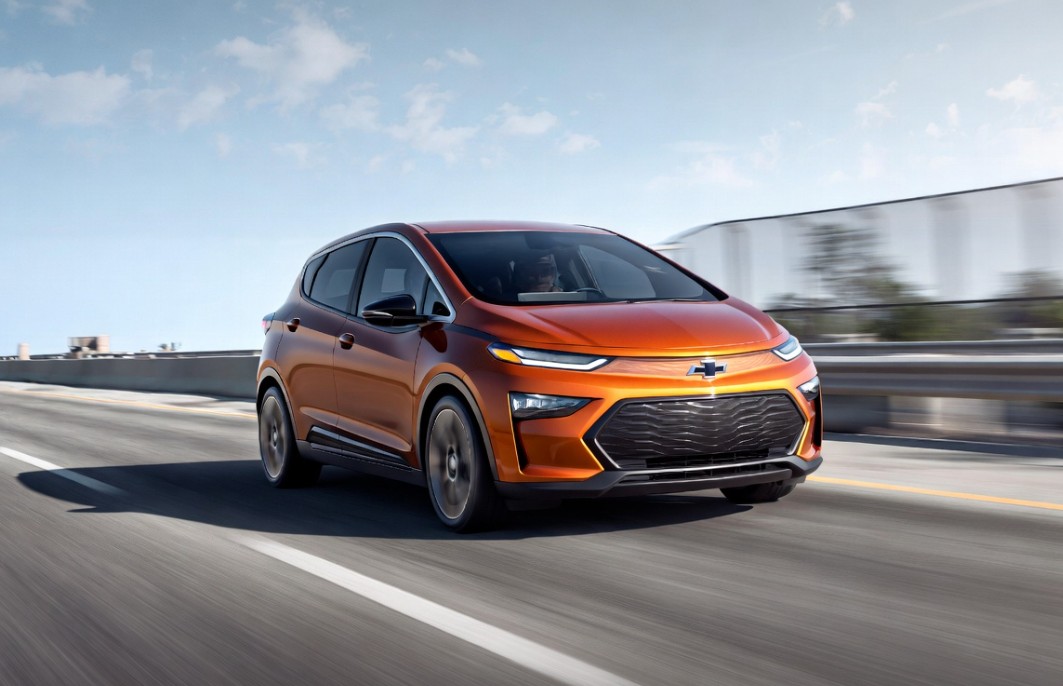
2027 Chevy Bolt Powertrain and Specs
The 2027 Chevrolet Bolt features a single front-wheel-drive electric motor producing 210 horsepower and 169 lb-ft of torque, paired with a 65-kWh Lithium Iron Phosphate (LFP) battery.
Key updates include a higher final-drive ratio (11.6:1) for sharper response despite lower torque than the prior generation. It supports up to 150 kW+ DC fast charging, significantly improving usability.
EPA-estimated range reaches up to 262 miles, making it a strong value option starting around $28,995.
2027 Chevy Bolt 0-60 mph Acceleration Times
Independent testing confirms strong real-world performance:
- Car and Driver test: 6.7 seconds 0-60 mph (RS model), with quarter-mile in 15.2 seconds at 95 mph.
- Chevrolet’s claim: Approximately 6.8 seconds.
- Other reviews: Around 6.99–7.2 seconds depending on conditions and methodology.
The instant torque provides punchy low-end acceleration, though it may feel slightly less aggressive off the line than the previous Bolt due to torque differences compensated by gearing.
How the 2027 Bolt Drives in Real-World Conditions
Reviewers note linear, predictable acceleration ideal for American roads. It excels in urban stop-and-go traffic and offers confident highway passing. Regenerative braking offers multiple settings for one-pedal driving.
Top speed is electronically limited (around 93 mph), prioritizing efficiency and safety. Braking performance is highlighted positively with good grip from new tires.
Factors affecting 0-60 times include temperature, battery state of charge, load, and driving mode. Cold weather or heavy cargo can add time.
2027 Bolt vs. Competitors: Acceleration Comparison
The Bolt positions itself as an accessible EV:
- Nissan Leaf: Similar or slightly slower (around 6.9+ seconds).
- Higher-performance EVs (e.g., some Hyundai Ioniq or VW ID. models) are quicker but cost significantly more.
- The Bolt prioritizes value, range, and efficiency over outright speed.
It’s one of the more affordable new EVs with competitive 0-60 performance for its class.
Factors Affecting Bolt Performance and Tips for Best Acceleration
- Battery preconditioning: Use for optimal power output.
- Drive modes: Sportier settings (if available) or full throttle in Normal mode.
- Tire choice and maintenance: Proper inflation and quality all-season tires help.
- Weight: Keep it light for quickest times; curb weight is around 3,793 lbs.
For USA drivers, the Bolt’s front-drive setup handles varied weather well with available features.
Is the 2027 Chevy Bolt Right for You?
The 2027 Bolt offers respectable 0-60 performance (mid-6 to low-7 seconds) in a practical, efficient, and affordable package. It’s ideal for commuters, families, or first-time EV buyers seeking value without sacrificing fun.
With strong range, faster charging, and modern tech, it continues the Bolt’s legacy as a smart choice in the American EV market.
Sources include official Chevrolet data, Car and Driver instrumented tests, MotorTrend, Road & Track, and other automotive reviews (as of mid-2026).