2026 Chevy Colorado vs GMC Canyon – Platform Comparison – When it comes to midsize trucks, few rivalries are as intriguing as the 2026 Chevy Colorado versus the 2026 GMC Canyon. Both are built on the same robust General Motors platform, delivering impressive capability in a compact package. But while they share DNA, subtle differences in styling, features, and refinement make choosing between them a fun dilemma for truck shoppers. Whether you’re a weekend warrior tackling trails or a daily driver needing versatile hauling power, this platform comparison breaks down what sets these siblings apart. We’ll dive into their shared foundations, performance edges, and premium touches to help you decide which one fits your drive.
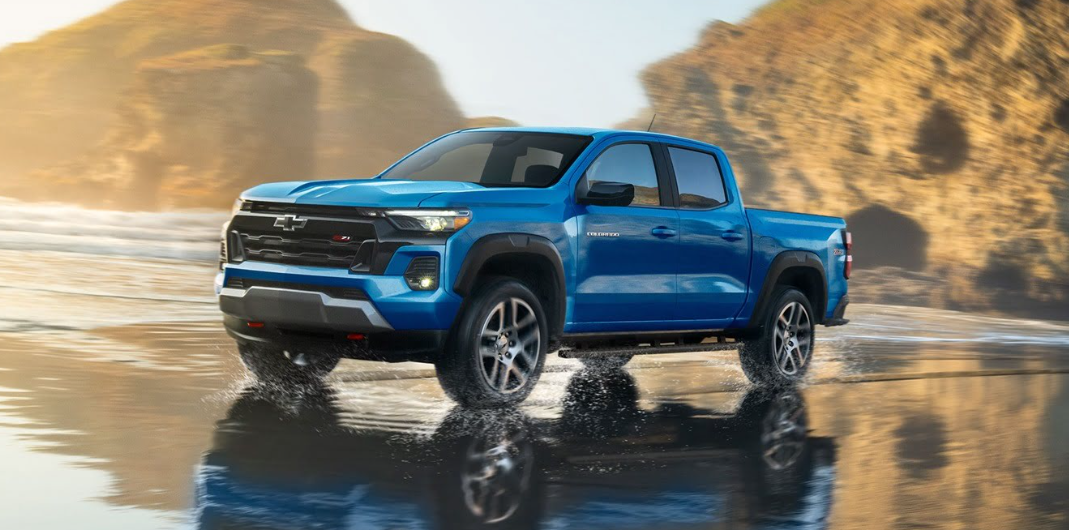
The Shared Platform: A Solid Foundation for Both Trucks
At their core, the 2026 Chevy Colorado and 2026 GMC Canyon ride on GM’s proven midsize truck architecture, designed for durability and adaptability. This shared platform means they boast identical wheelbases (around 131 inches for crew cab models) and overall structural integrity, making them equally adept at handling payloads and rough roads. It’s like twins with different wardrobes—one practical, the other polished.
This common base ensures consistent safety ratings, with both earning strong marks from the NHTSA (4 stars overall, 5 in side impacts). For buyers, the real perk is interchangeability: parts like suspension components and frame rails are often cross-compatible, potentially lowering long-term ownership costs. If you’re cross-shopping, tip: Check your local dealer’s inventory for both to feel the platform’s balance in person—it’s the same responsive ride that makes these trucks feel bigger than they are.
Powertrain and Performance: Identical Muscle Under the Hood
No platform comparison would be complete without spotlighting the engines that power these beasts. Both trucks pack GM’s TurboMax 2.7L inline-four engine, churning out 310 horsepower and a stout 430 lb-ft of torque. Paired with an 8-speed automatic transmission, this setup delivers smooth shifts and peppy acceleration, whether you’re merging onto highways or climbing inclines.
Here’s where the similarities shine:
| Specification | 2026 Chevy Colorado | 2026 GMC Canyon |
|---|---|---|
| Engine | 2.7L Turbo I4 | 2.7L Turbo I4 |
| Horsepower | 310 hp | 310 hp |
| Torque | 430 lb-ft | 430 lb-ft |
| Transmission | 8-Speed Auto | 8-Speed Auto |
| Drivetrain Options | 2WD/4WD | 2WD/4WD/AWD |
| Max Towing | 7,700 lbs | 7,700 lbs |
| Max Payload | 1,670 lbs | 1,670 lbs |
| Fuel Economy (City/Hwy Combined) | 18-20 MPG | 18-20 MPG |
Fuel sipping is comparable, though real-world figures dip during heavy towing—expect around 15 MPG combined with a trailer. Pro tip: Opt for the available 3.42 axle ratio on either for better highway efficiency if your hauls are mostly interstate. In performance tests, both hit 0-60 mph in about 7 seconds, proving the platform’s torque-focused tuning excels for midsize duties.
For off-road enthusiasts, the shared chassis supports lifted suspensions without compromising too much on-road poise. Imagine loading up for a family camping trip: Both can tow your boat or ATV trailer effortlessly, with integrated hitch guidance making backing up a breeze.
Design and Styling: Rugged vs. Refined Aesthetics
While the platform unites them mechanically, design is where personalities diverge. The Chevrolet Colorado leans into a bold, muscular vibe with aggressive front grilles and available blacked-out accents on trims like the Trail Boss. It’s the truck for those who want to look tough without trying too hard—think matte finishes and LED headlights that cut through fog like a knife.
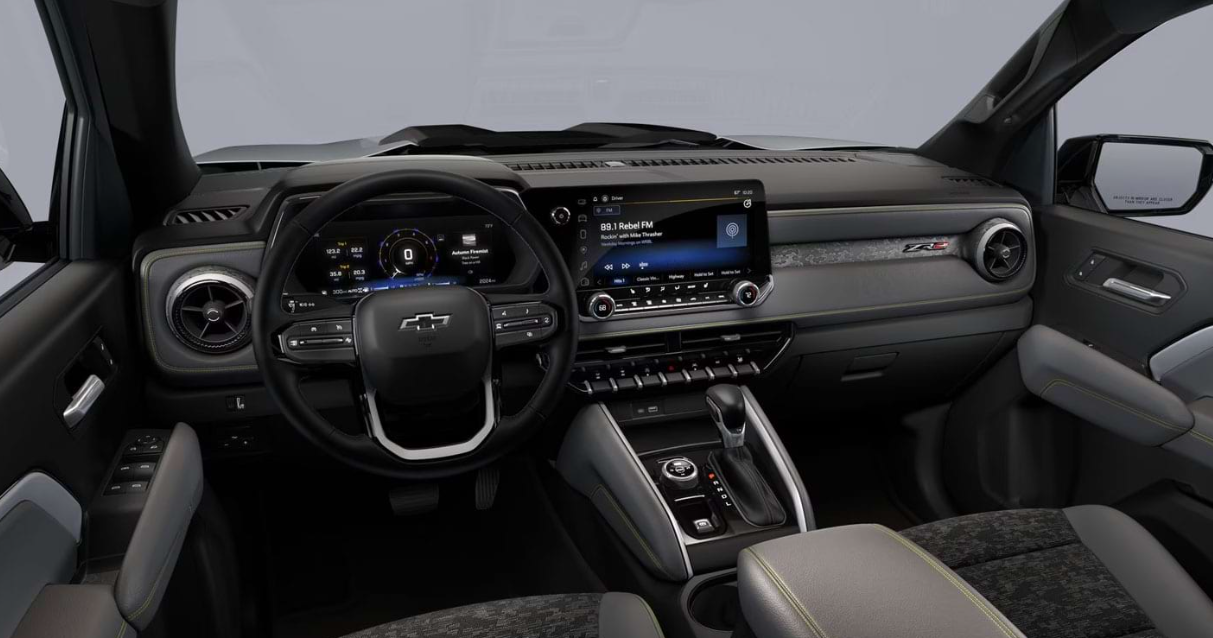
The GMC Canyon, meanwhile, exudes upscale ruggedness. Its signature chrome grille and sculpted lines give it a more premium stance, especially on Denali models with 20-inch wheels. Interiors tell a similar story: Colorado cabins are functional with durable cloth or optional leather, ample storage cubbies, and 40.3 inches of front headroom for taller drivers. The Canyon ups the ante with soft-touch materials, available open-pore wood accents, and heated/ventilated seats standard on higher trims—perfect for long hauls in comfort.
Practical insight: If you’re customizing, Colorado offers more budget-friendly wheel and bed liner options, while Canyon’s premium paint choices (like Onyx Black) add resale value. Both have 5-foot beds with 41.9 cubic feet of cargo space, but Canyon’s MultiPro tailgate (foldable steps and work surface) feels more innovative for tailgate parties or job-site versatility.
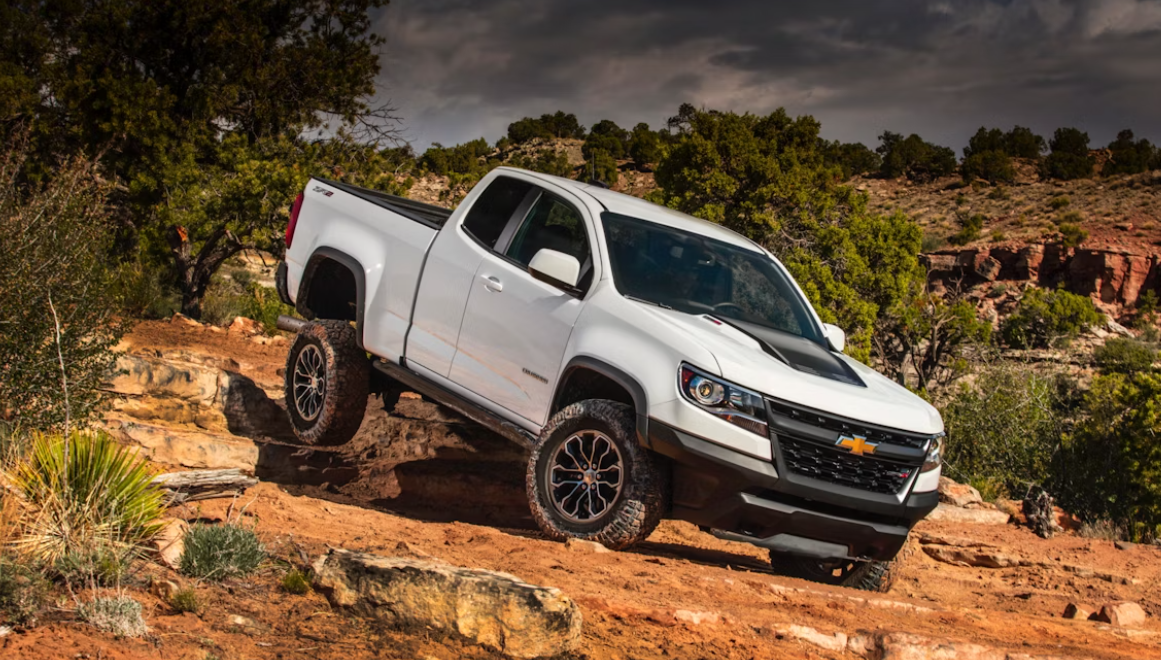
Trim Levels and Off-Road Capabilities: Tailored for Adventure
Trim choices amplify the platform’s versatility, with each truck offering a ladder from base workhorses to trail conquerors. The Colorado starts with the no-frills Work Truck (WT) at around $31,900, climbing to the off-road king ZR2 at $48,000+. Key trims include:
- LT/Z71: Balanced daily drivers with all-terrain tires.
- Trail Boss: 2-inch lift and skid plates for light trails.
- ZR2: Multimatic DSSV dampers, 33-inch tires, and Fox shocks for Baja-style runs.
The Canyon mirrors this progression but with GMC flair, starting at $40,995 for the Elevation trim:
- AT4: Rancho shocks, red tow hooks, and all-terrain prowess.
- Denali: Luxury-focused with adaptive cruise and a Bose audio system.
- AT4X: AWD-exclusive with 32-inch tires and underbody cameras for extreme off-roading.
Both excel off-pavement thanks to the shared chassis, but the Canyon’s AWD option provides better traction in snow or mud without engaging full 4WD. Example: On a rocky ascent, Colorado’s ZR2 might edge out in raw aggression, while Canyon’s AT4X offers smoother damping for passenger comfort. Tip for enthusiasts: Test the off-road modes—both have customizable settings, but pair them with all-terrain tires for the best grip without sacrificing highway manners.
Technology and Safety: Smart Features on a Shared Backbone
Tech flows from the common platform, but execution varies by brand ethos. Both sport 11.3-inch touchscreens with wireless Apple CarPlay/Android Auto, Google built-in navigation, and over-the-air updates. Safety suites are robust, including automatic emergency braking, lane-keeping assist, and forward collision alerts as standard.
Where the Canyon pulls ahead: An available head-up display projects speed and nav cues on the windshield, and its 10-camera trailering system (with transparent trailer view) is a game-changer for hitching. Colorado counters with a user-friendly In-Vehicle Trailering app that logs your trailer’s weight and brake settings—ideal for frequent haulers.
Engaging example: Picture reversing into a tight campsite spot; Canyon’s Hitch View camera feeds make it foolproof, while Colorado’s simpler setup still gets the job done without overwhelming newbies. Both earn high marks for connectivity, but if voice commands are your jam, test the intuitive interfaces during a demo drive.
Pricing and Value: Balancing Cost with Capability
Entry-level pricing underscores the sibling dynamic: The Colorado starts at $31,900, making it a value champ for fleet buyers or first-time truck owners. Fully loaded ZR2 models top out around $55,000. The Canyon commands $40,995 to start, reflecting its premium perks, with Denali variants pushing $58,000.
Value boils down to needs—if you’re after raw utility, Colorado saves you $9,000 upfront for similar towing muscle. But Canyon’s standard leather and tech justify the premium for those prioritizing comfort. Ownership tip: Factor in GM’s 3-year/36,000-mile warranty (both qualify), and consider certified pre-owned for 2026 models next year to snag deals.
Wrapping Up: Which Midsize Truck Wins Your Garage?
The 2026 Chevy Colorado and GMC Canyon prove that a shared platform can birth versatile stars, blending everyday usability with serious capability. Choose the Colorado for unpretentious power and savings; opt for the Canyon if refined details elevate your drive. Either way, you’re getting a midsize truck that punches above its weight—towing heavy, conquering trails, and turning heads.
For a quick-reference recap, here’s a summary table of standout differences:
| Category | 2026 Chevy Colorado Advantage | 2026 GMC Canyon Advantage |
|---|---|---|
| Starting Price | Lower entry ($31,900) – Better for budgets | Premium features justify $40,995 start |
| Interior Comfort | Functional, spacious storage | Upscale materials, heated/ventilated seats |
| Off-Road Edge | Aggressive ZR2 for extreme terrain | AT4X with AWD and smoother damping |
| Tech Highlights | Trailering app for easy logging | Head-up display, 10-camera system |
| Overall Vibe | Rugged workhorse | Luxe adventurer |